Blog
157 articles
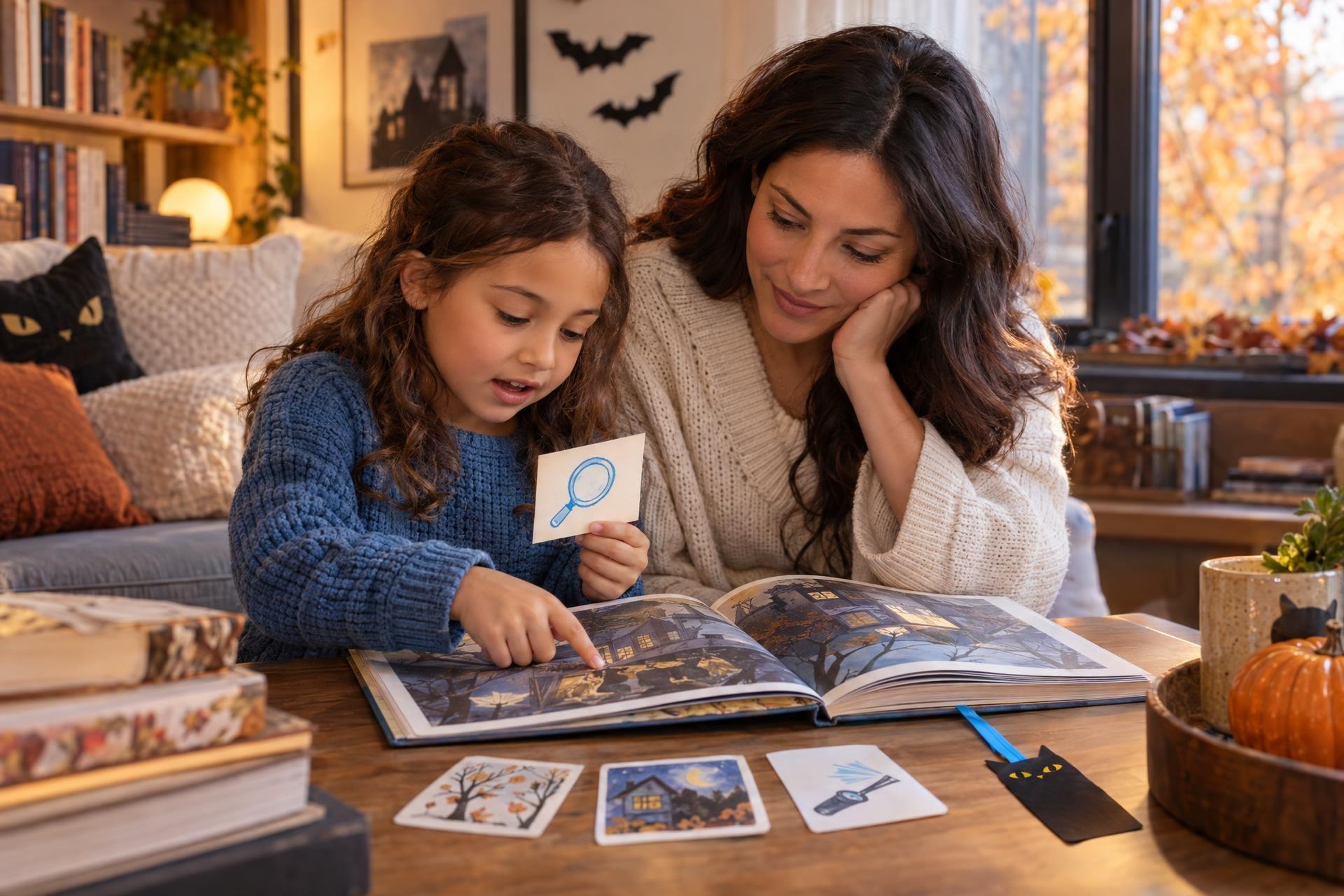
Halloween Reading Activities for Kids Ages 6–8
Use gentle Halloween stories, discussion, rereading, and simple games to make reading practice more engaging for kids ages 6–8.
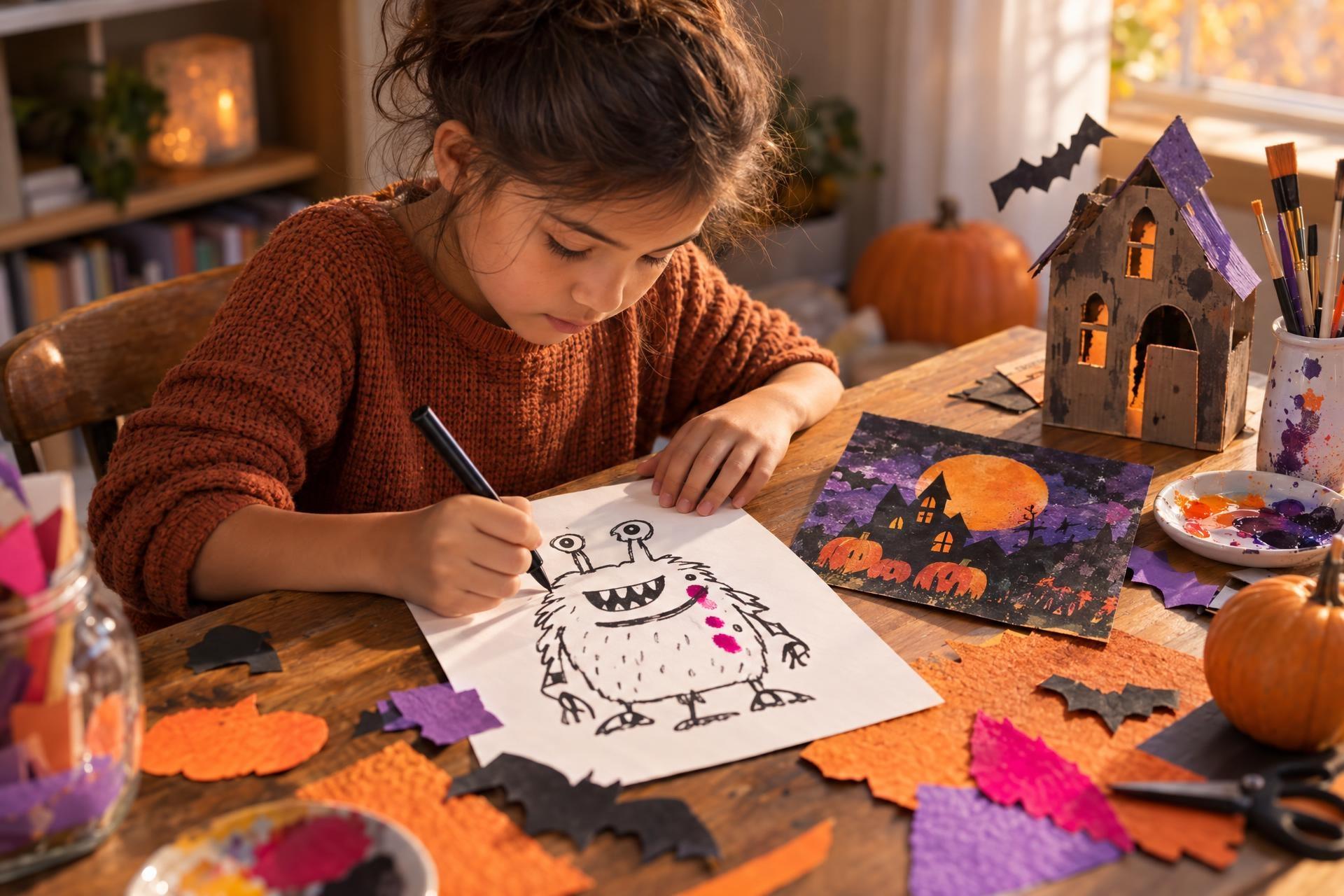
Creative Halloween Projects for Kids Ages 6–11
Turn a child’s love of Halloween into drawing, painting, crafts, characters, and handmade projects with flexible, low-pressure ideas.
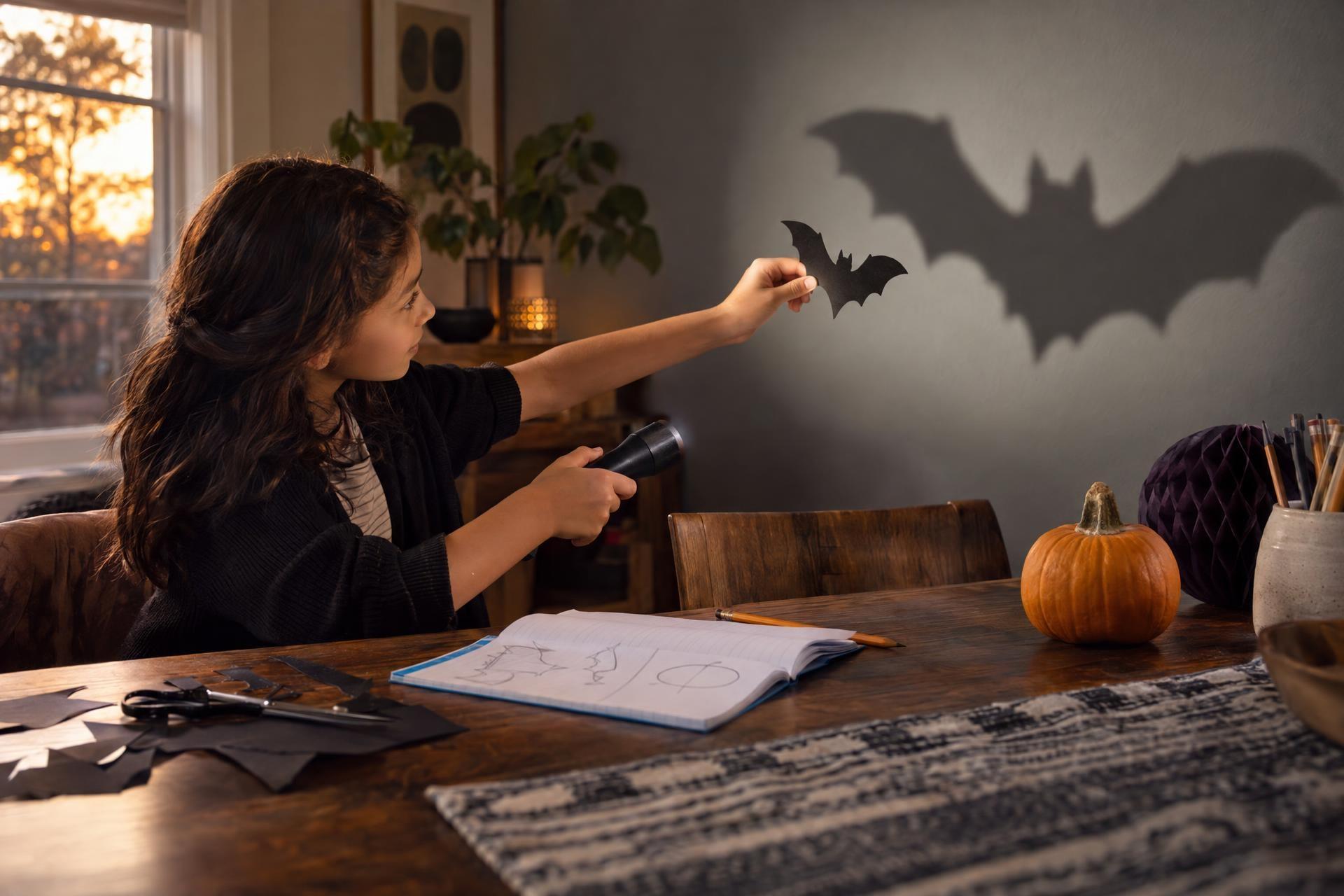
Halloween Science Activities Kids Want to Try
Discover how spooky, hands-on Halloween science activities can help kids ages 7–12 explore chemistry, physics, biology, and engineering.
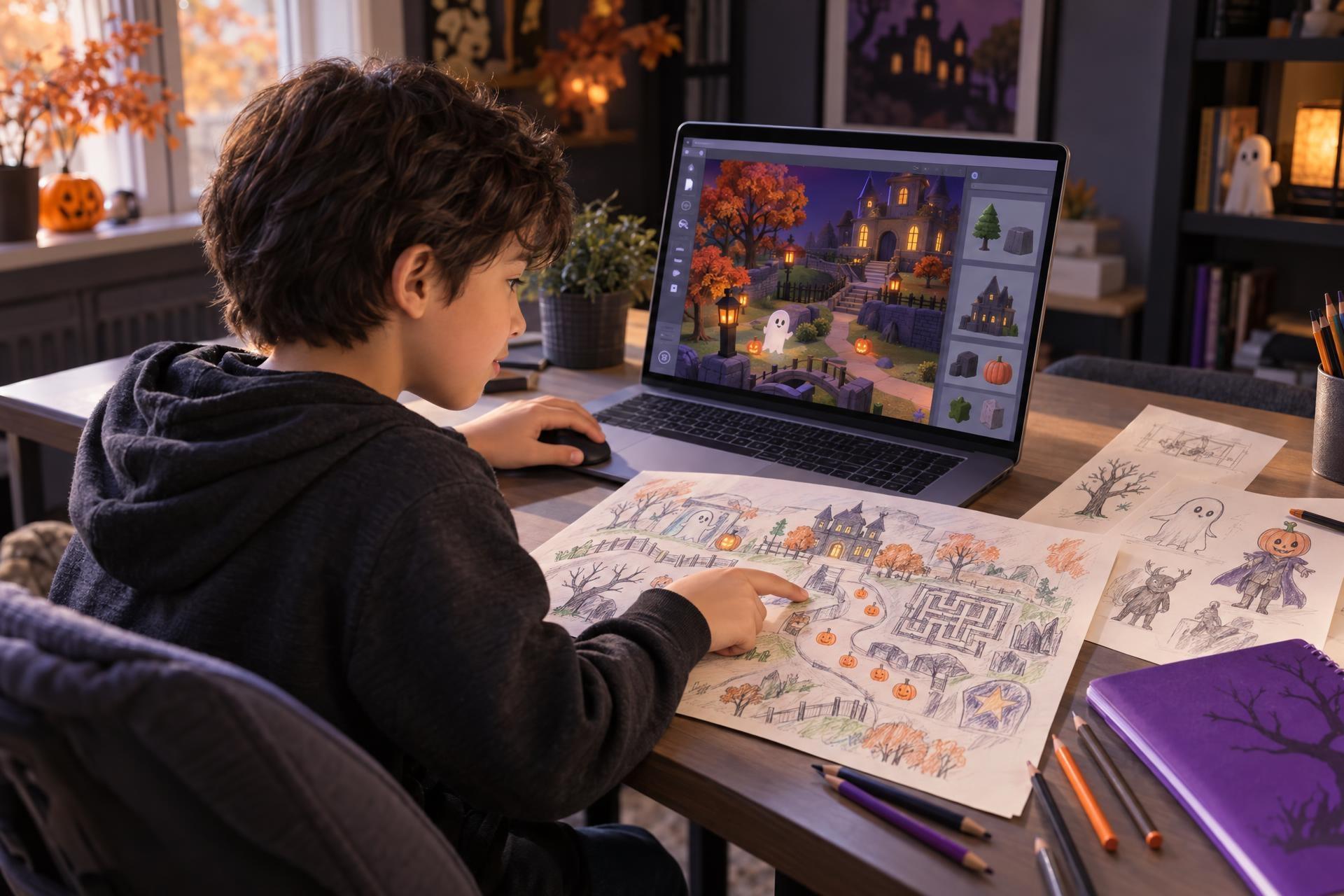
Roblox Haunted World Design Ideas for Kids
Help a Roblox-loving child turn Halloween game ideas into a first haunted world with simple planning, building, testing, and family-guided tools.
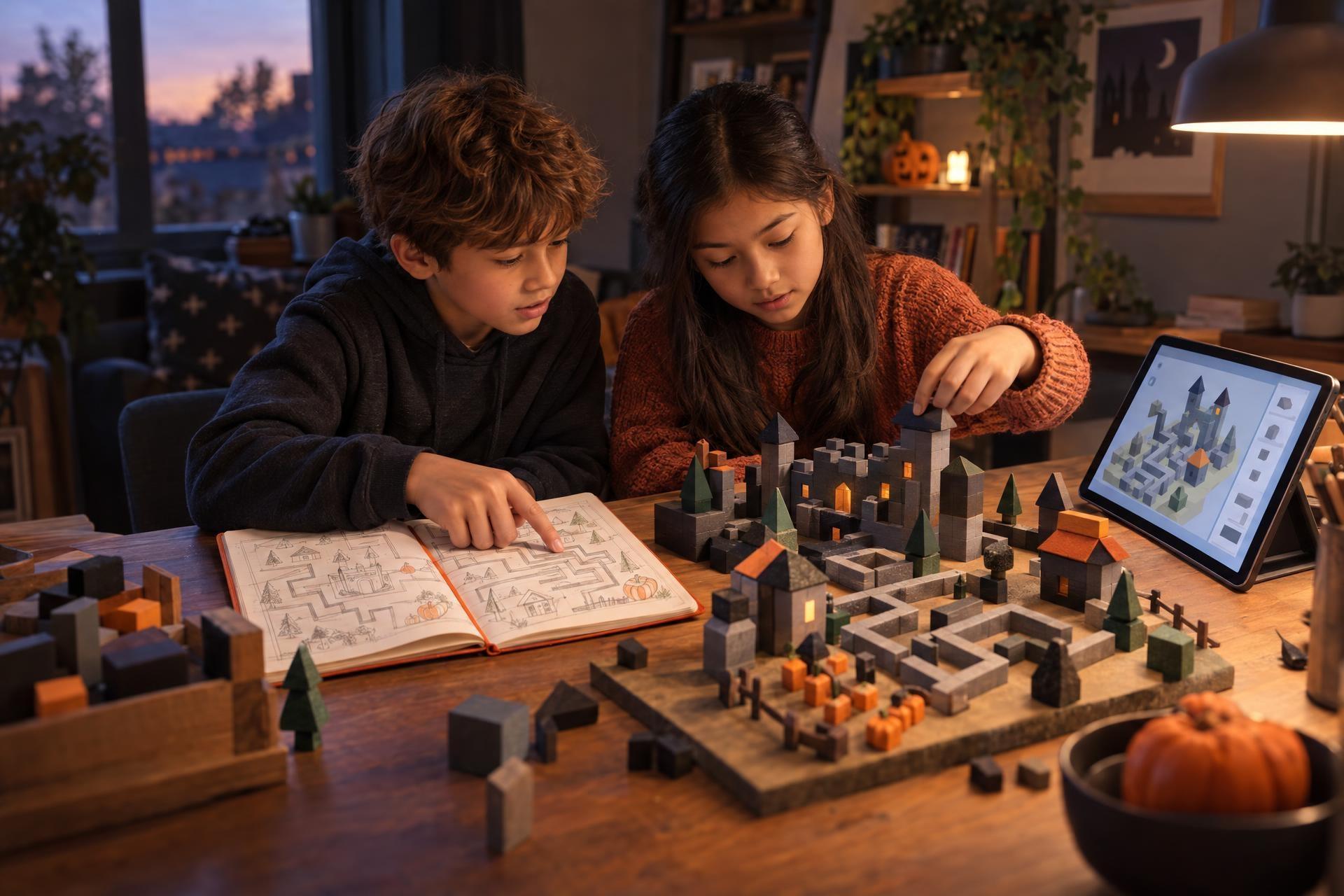
Minecraft Halloween Adventure Ideas for Kids
Turn a child’s love of Minecraft into Halloween building, storytelling, and group challenges with practical prompts for ages 7–12.
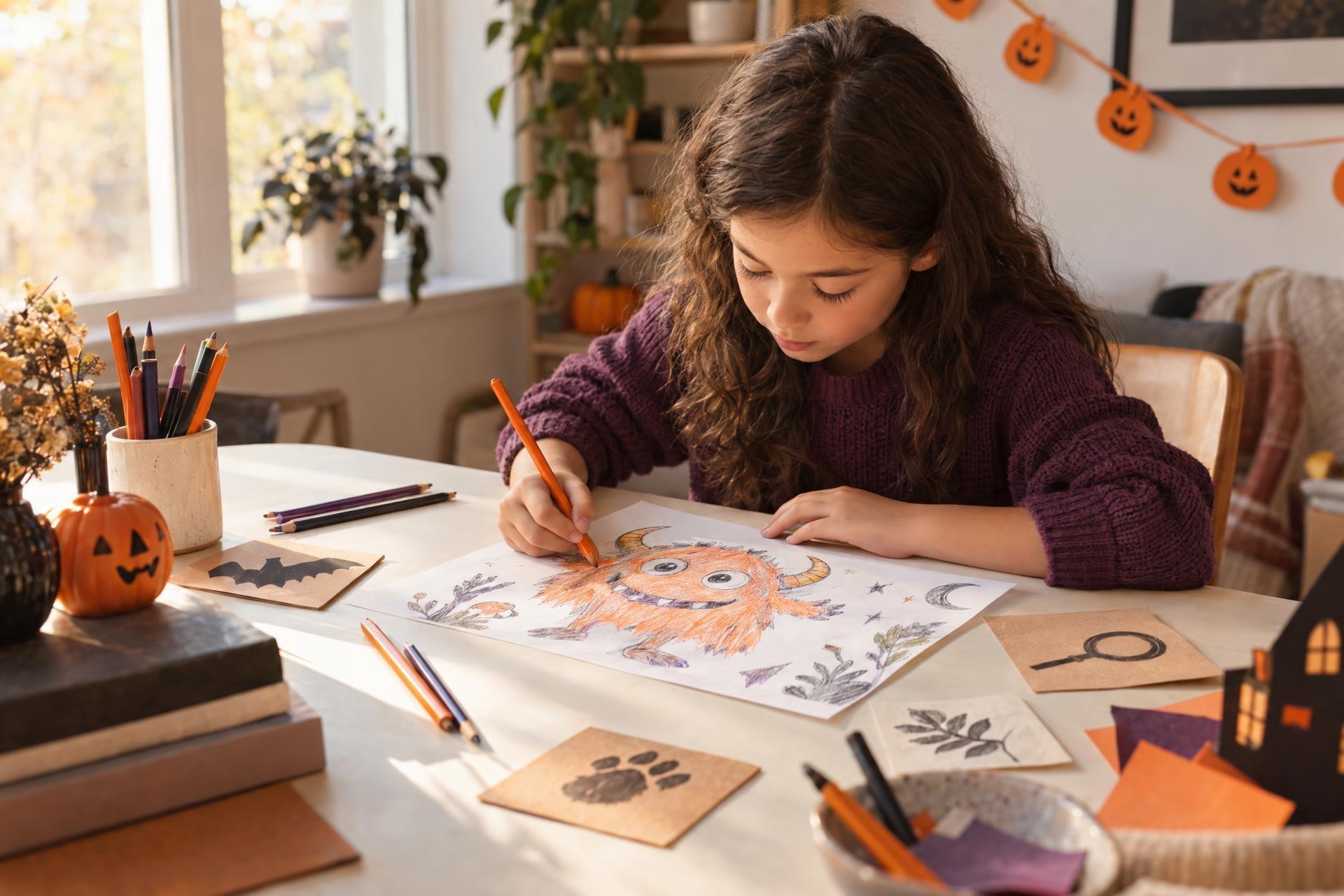
Halloween Classes for Kids: Ideas for Ages 6–12
Find Halloween classes for kids ages 6–12, from art and storytelling to mysteries, games, and science-inspired seasonal activities.
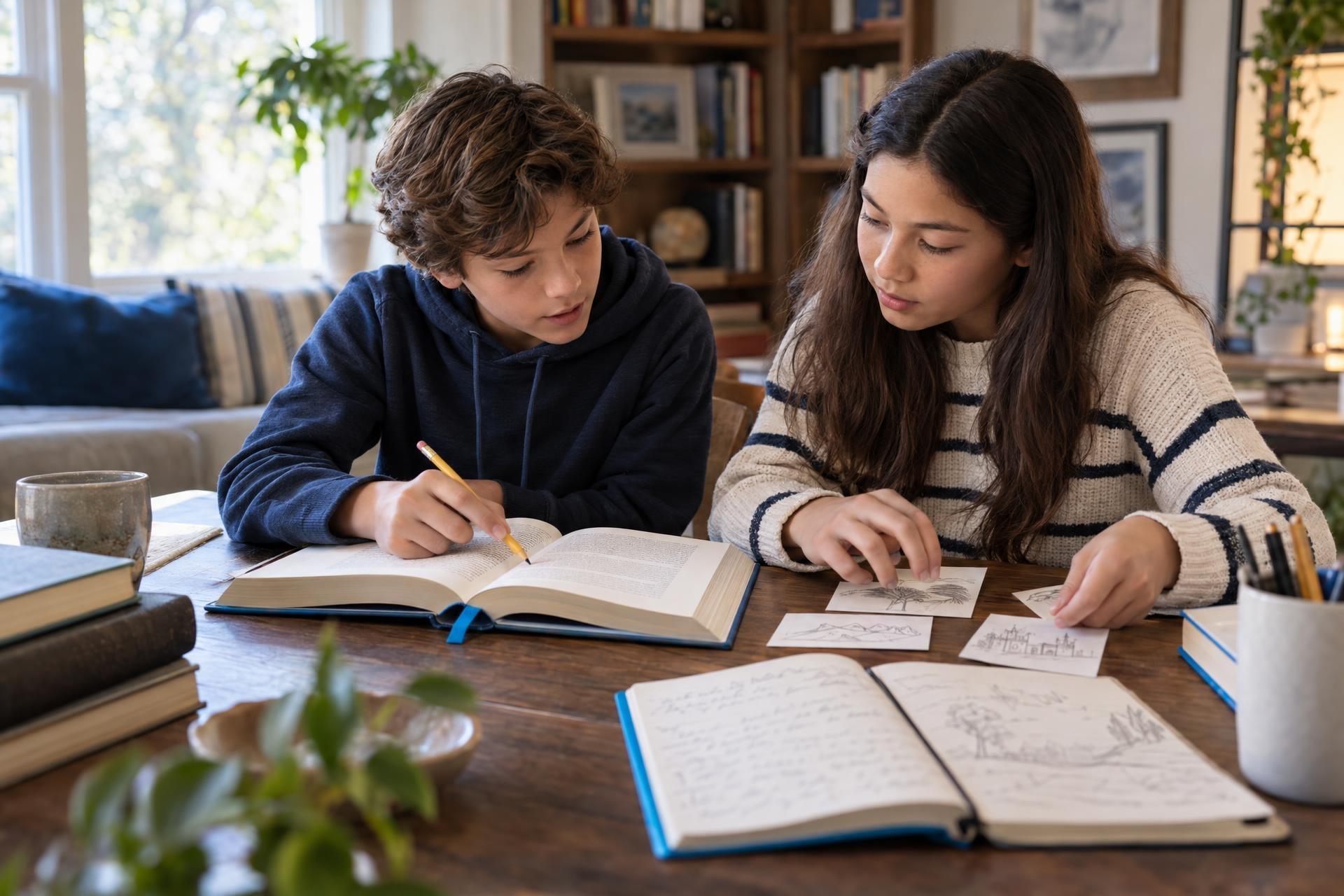
English Classes for Kids: Beyond Grammar Worksheets
Explore how English classes can build reading, writing, discussion, grammar, and confidence through topics that matter to children ages 8–15.
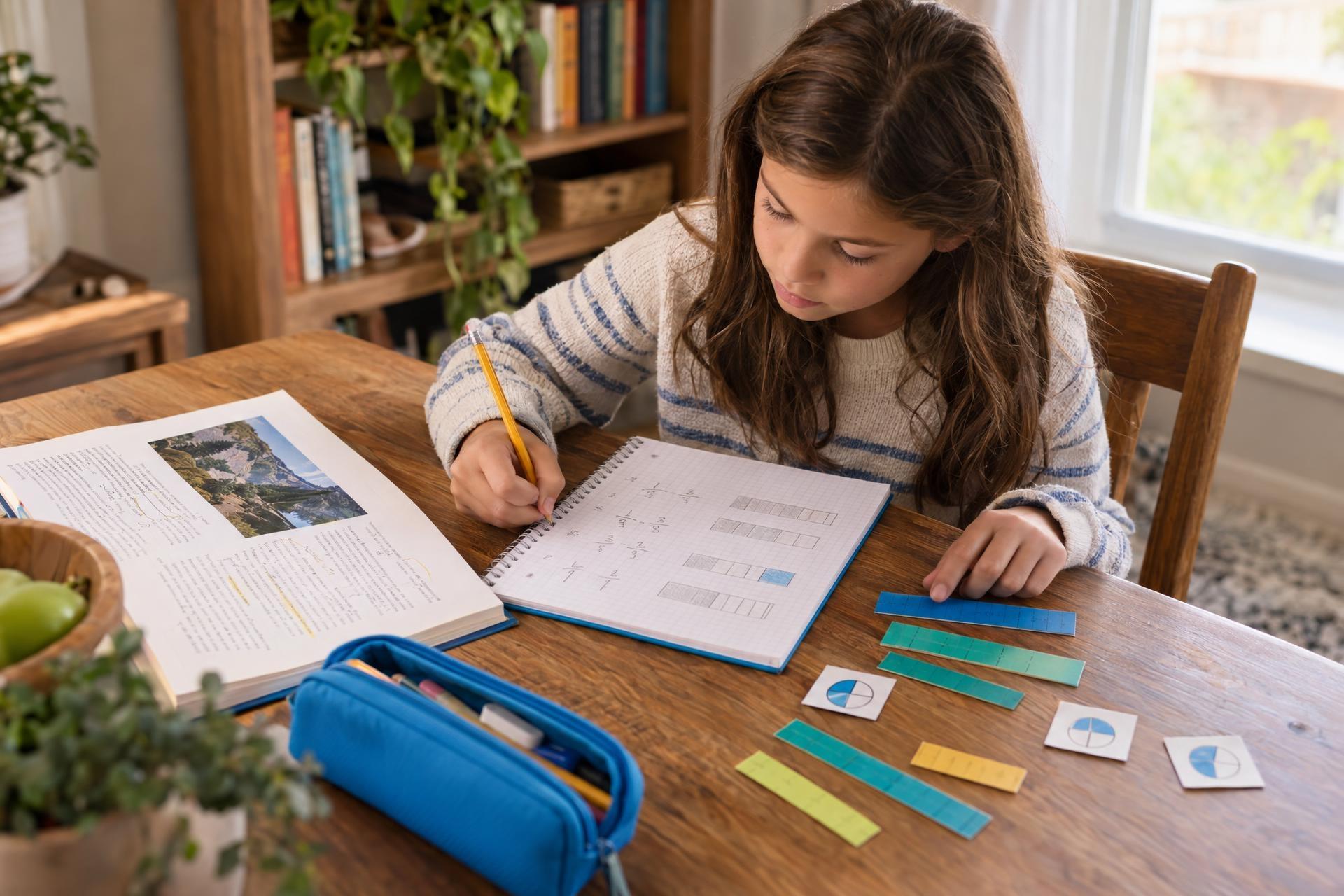
Grade 5 Learning Support: A Parent’s Practical Guide
Learn how to choose Grade 5 learning support that fits your child’s current schoolwork, confidence, interests, and schedule.
How to Choose Classes for 6-8 Year Olds
Find engaging, age-appropriate classes for 6-8 year olds by considering interests, format, guidance, schedule, and comfort with participation.
Afterschool Enrichment Kids Actually Enjoy
Learn how to choose enjoyable afterschool enrichment for your child based on interests, energy, schedule, and signs of real engagement.
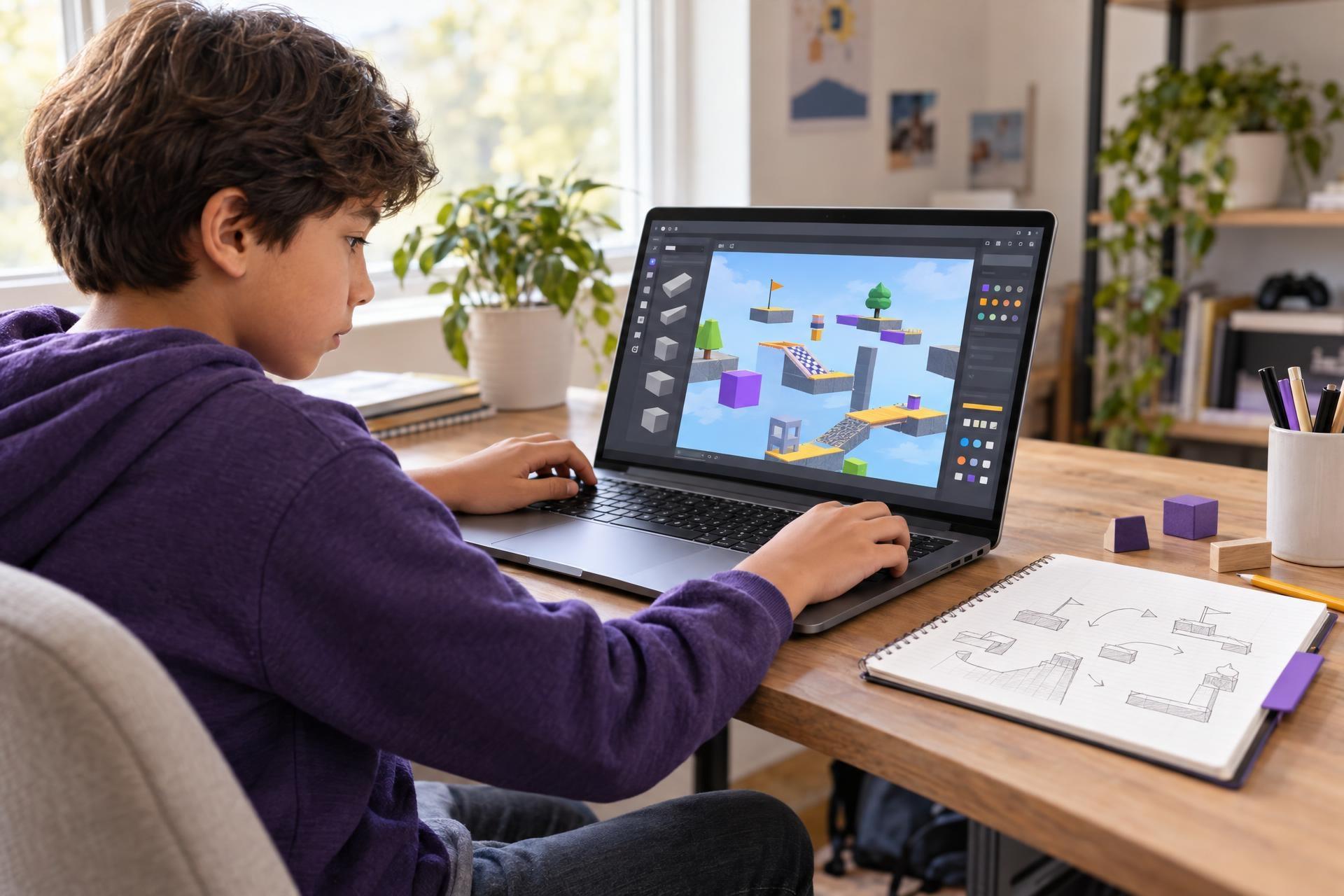
Roblox Classes for Kids: From Player to Creator
Learn how a child’s interest in Roblox can lead to game design, 3D building, and beginner coding—while keeping expectations and boundaries grounded.
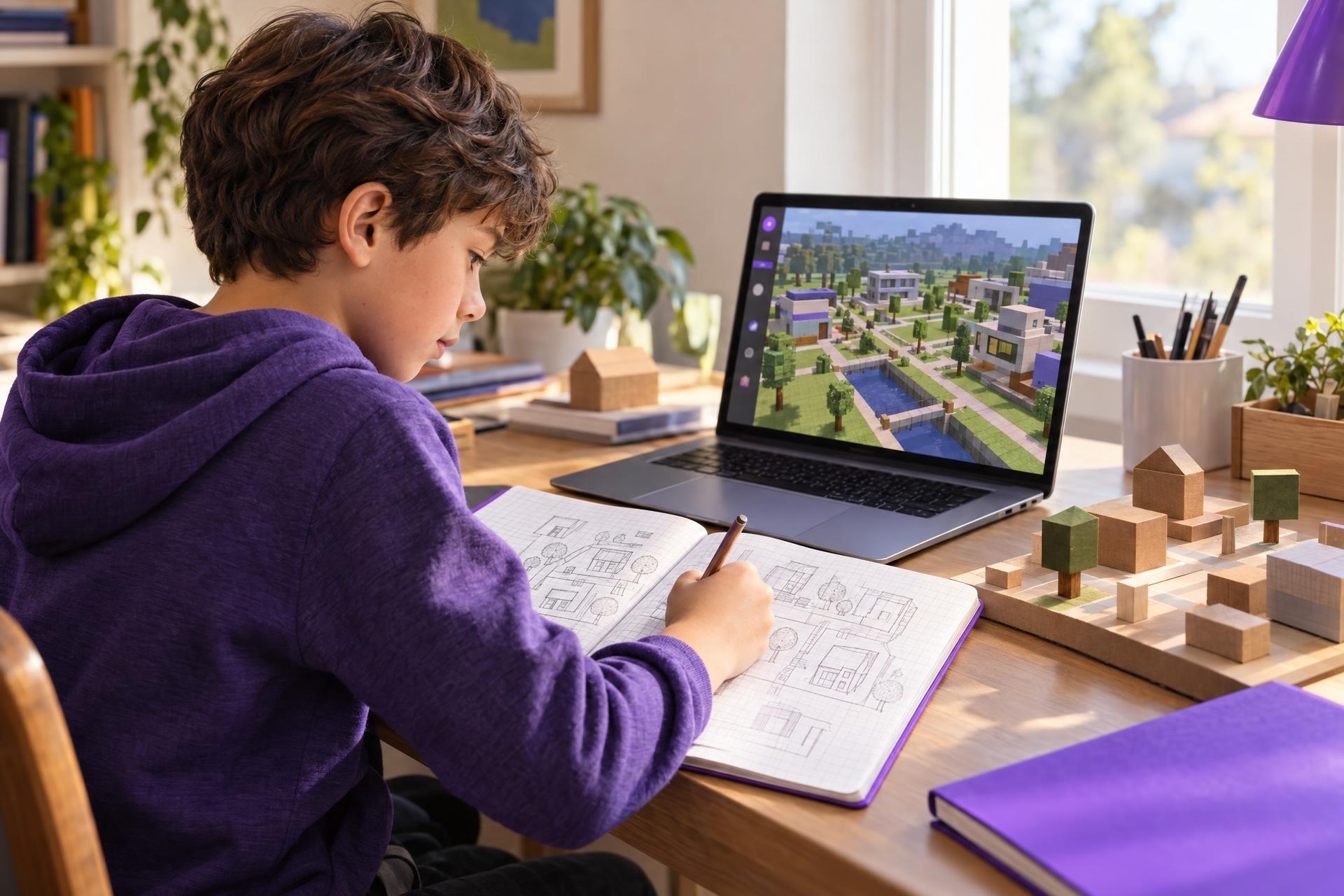
Minecraft Classes for Kids: From Player to Creator
Help your Minecraft-loving child explore building, game design, coding logic, and creative challenges—without turning a favorite game into homework.
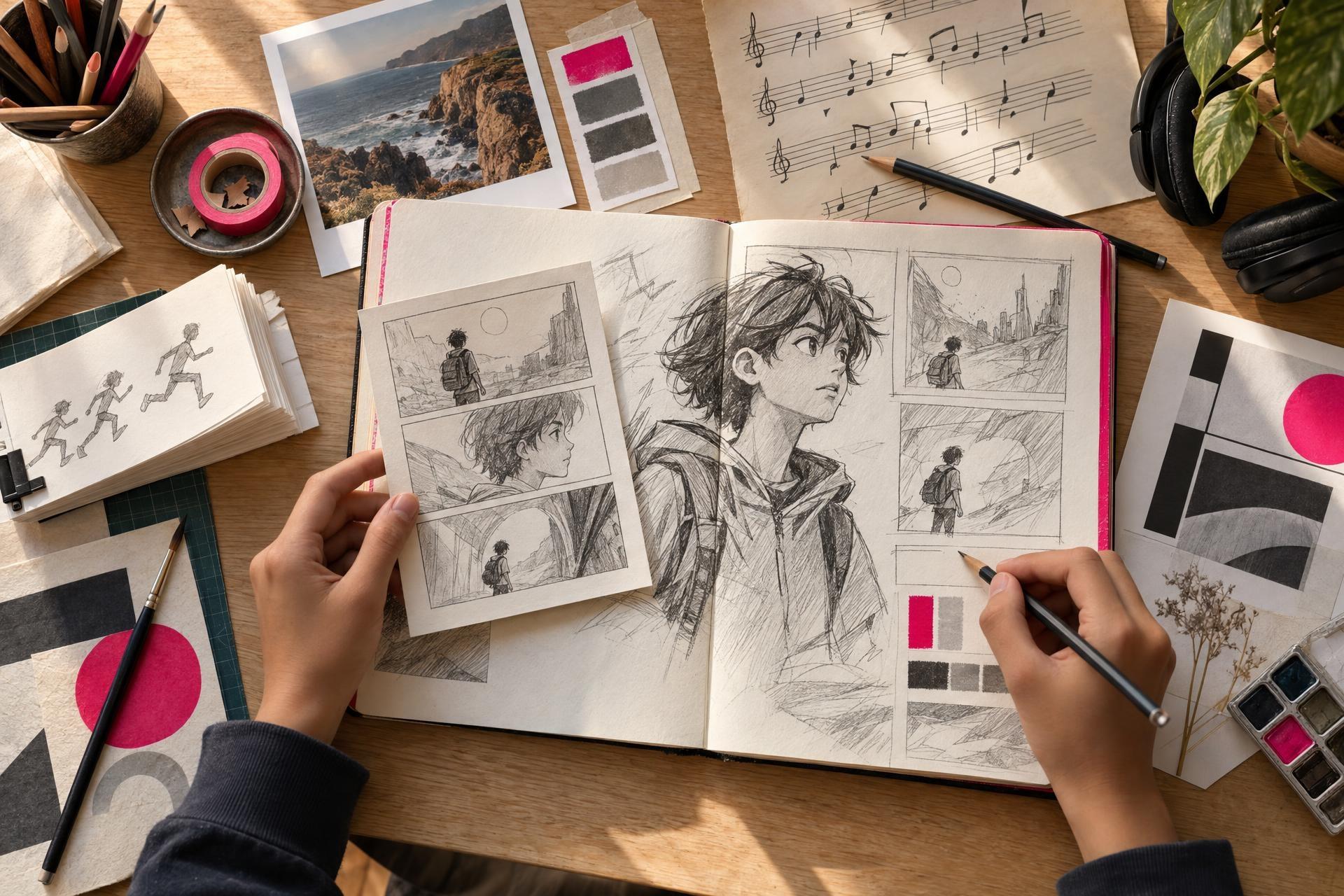
What Art Classes Help Kids Explore Beyond Projects?
See how art and creativity classes help kids ages 8–15 explore ideas, techniques, storytelling, design, and new ways to make.
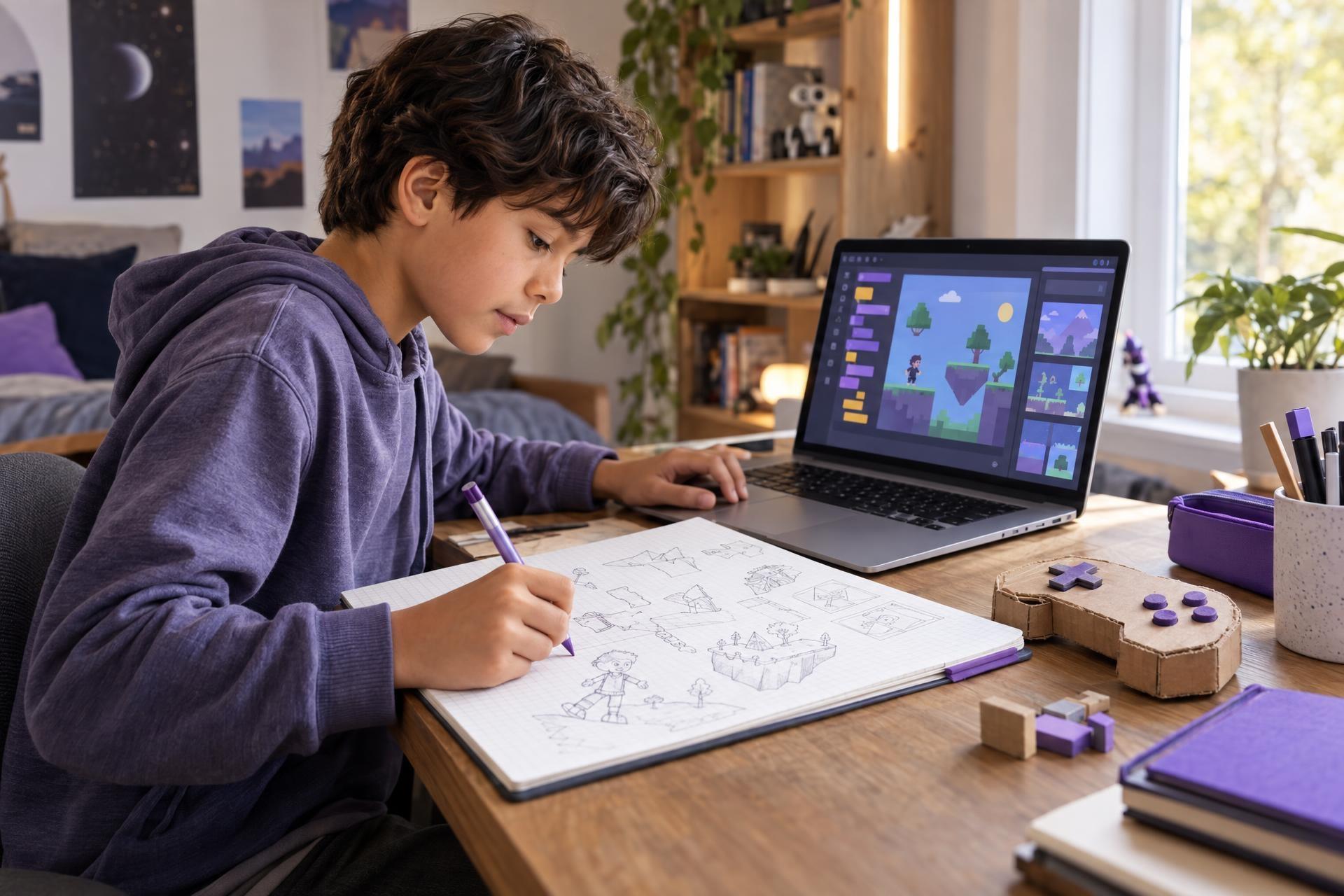
How to Choose Coding and Tech Classes for Kids
Explore coding, game design, robotics, and creative tech for kids—and learn how to choose a beginner-friendly class that fits your child.
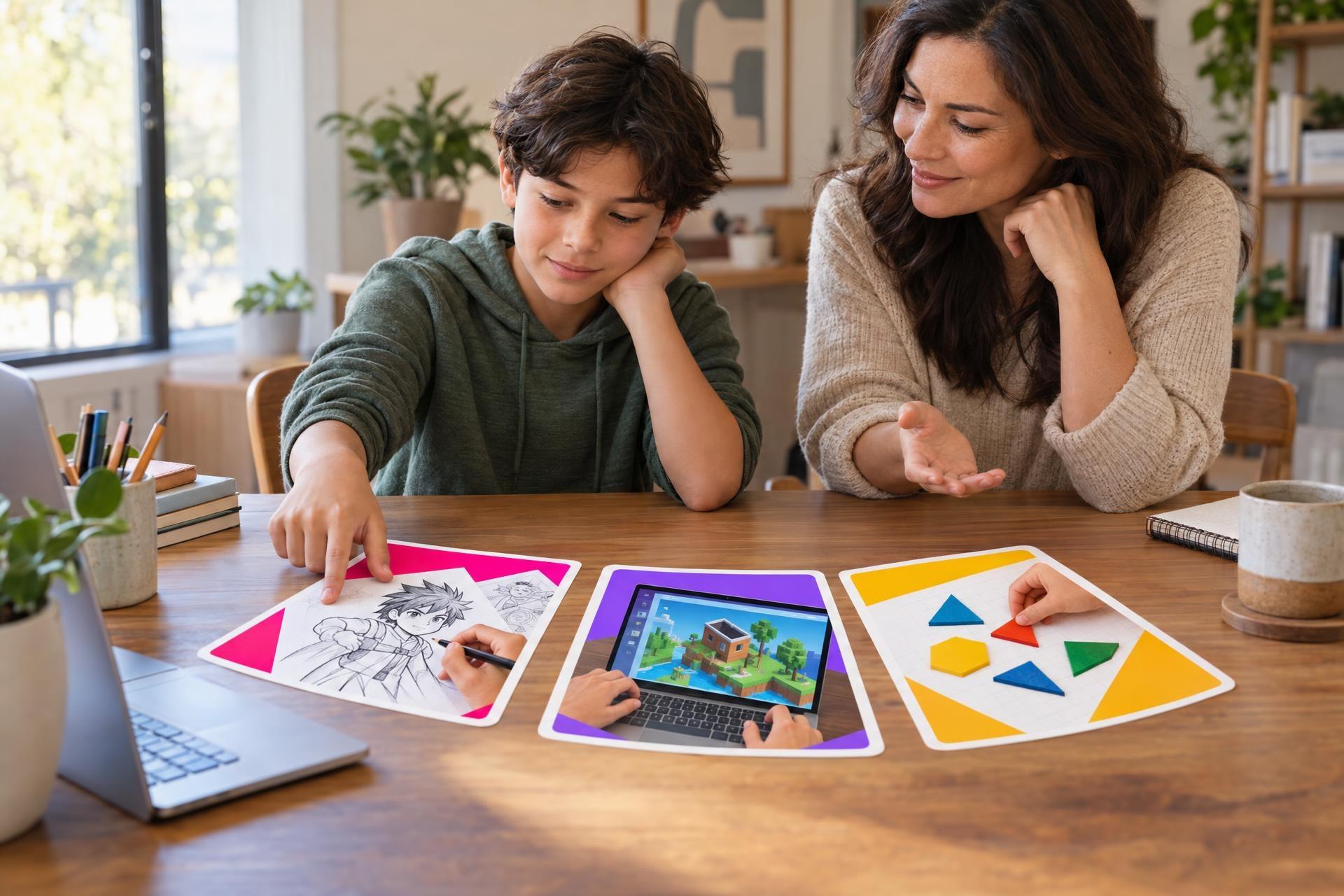
How to Choose the Right Class for Your Child
Use a practical five-question guide to choose a class that fits your child’s interests, confidence, learning style, and schedule.
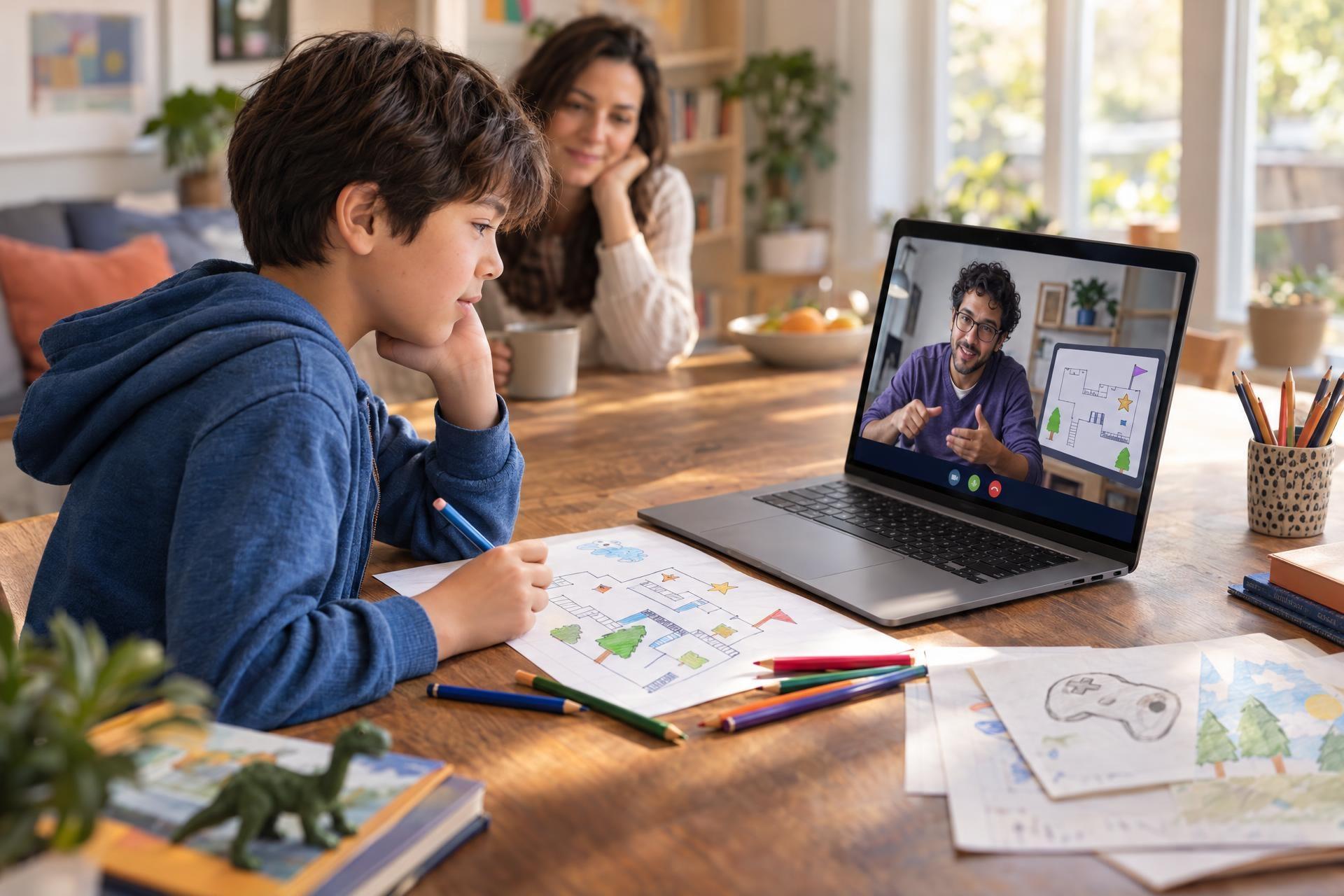
How to Find the Right Specialist Teacher for Your Child
Use this practical guide to find a specialist teacher who fits your child’s interests, confidence, goals, and preferred way of learning.
Learning Beyond School Without More Homework
Help your child explore interests beyond school with low-pressure, practical ideas for finding classes, hobbies, skills, and supportive learning experiences.
How to Teach Kids Money Skills Before the Teen Years
Help children build money skills through everyday choices, short check-ins, saving goals, budgeting practice, and digital-payment safety.
Why Kids Read Fluently but Struggle to Understand
Learn why a child may read smoothly but miss the meaning, plus practical, low-pressure ways to build reading comprehension at home.
How to Turn Roblox Into a Creative Learning Activity
Help your child move from playing Roblox to building in Roblox Studio with simple project ideas, parent coaching prompts, and practical boundaries.
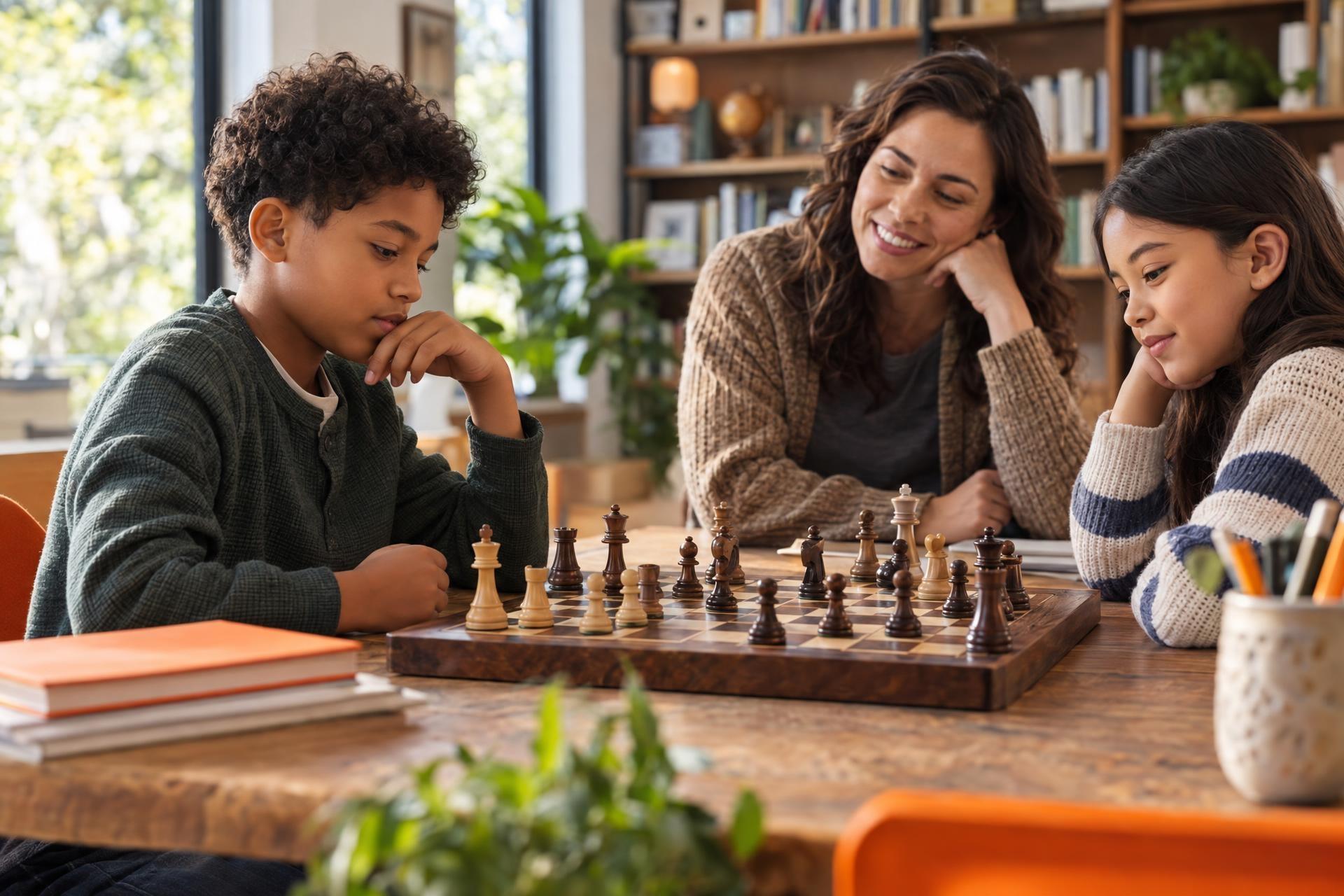
Is Chess Good for Kids? Benefits and Realistic Expectations
Chess can help children practice planning, patience, and problem-solving. Learn what benefits are realistic—and how to find a good fit.
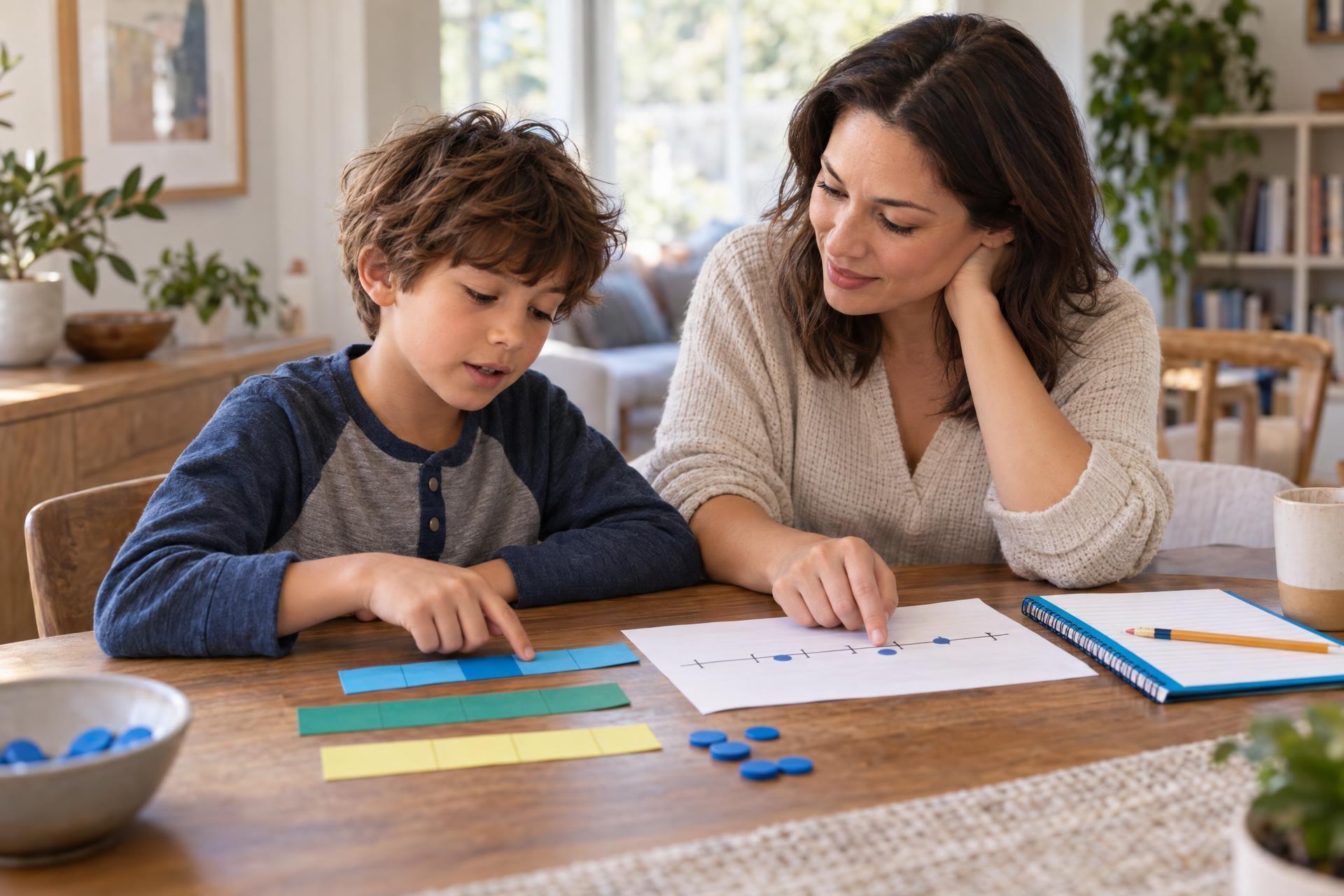
What to Do When Your Child Says They Hate Math
When your child says they hate math, get curious—not panicked. Learn how to find the sticking point and reduce math homework battles.
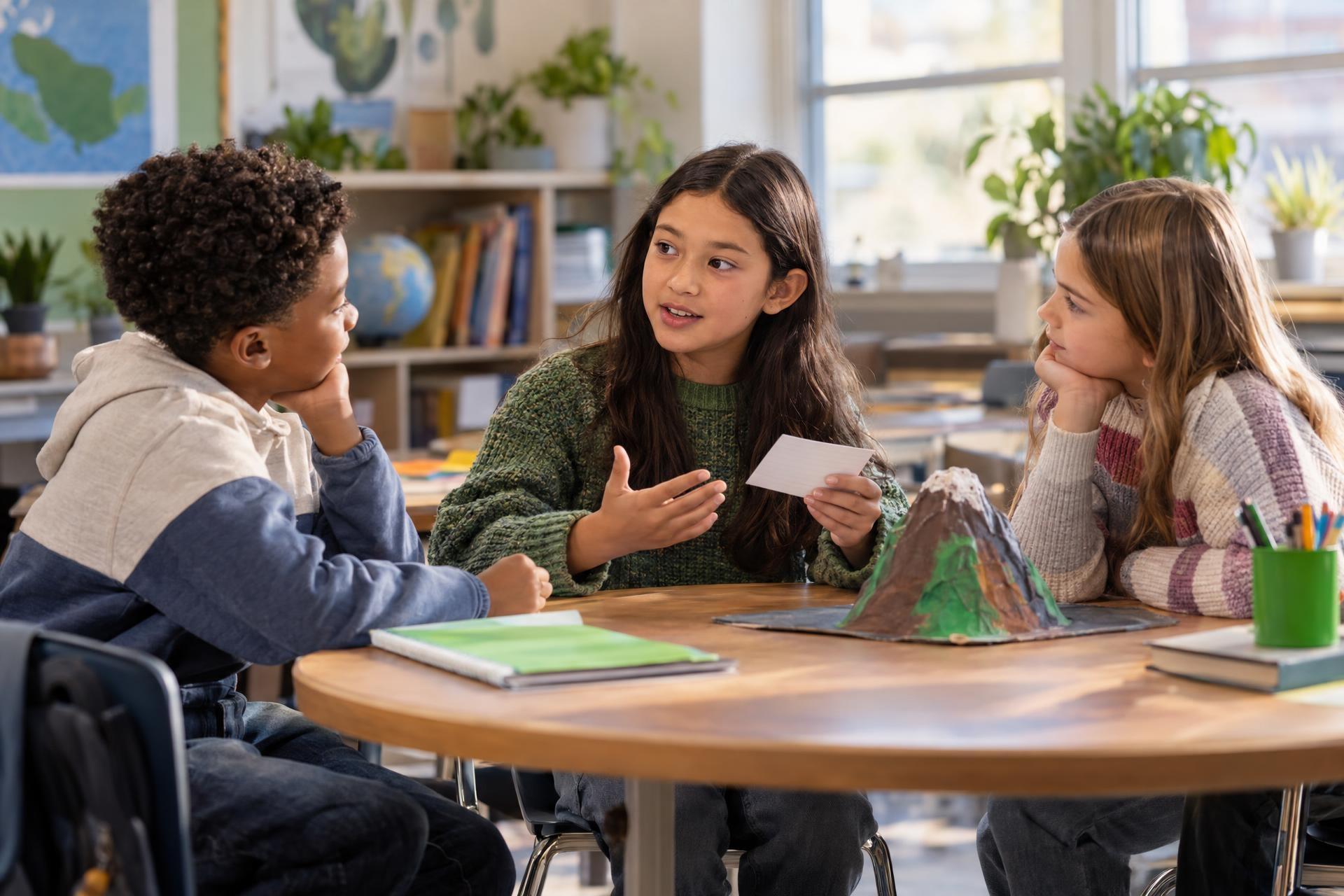
How to Help Kids Speak Up in Class With Confidence
Practical, low-pressure ways to help children share ideas in class, from sentence starters and practice routines to teacher partnership.
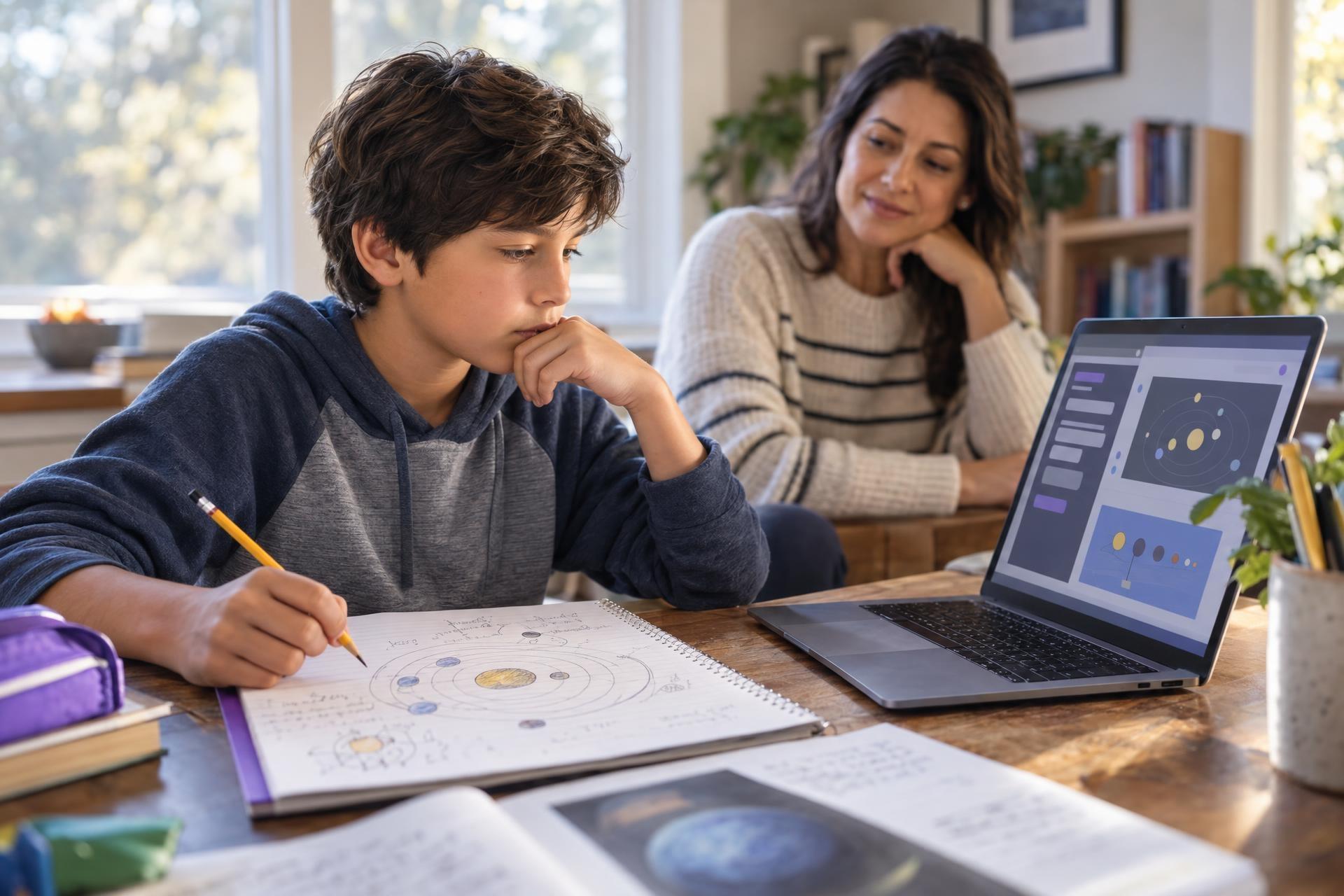
Can AI Help Kids Learn Better? A Parent’s Guide
Learn how kids can use AI for practice, feedback, and ideas—without replacing effort, privacy, fact-checking, or independent thinking.
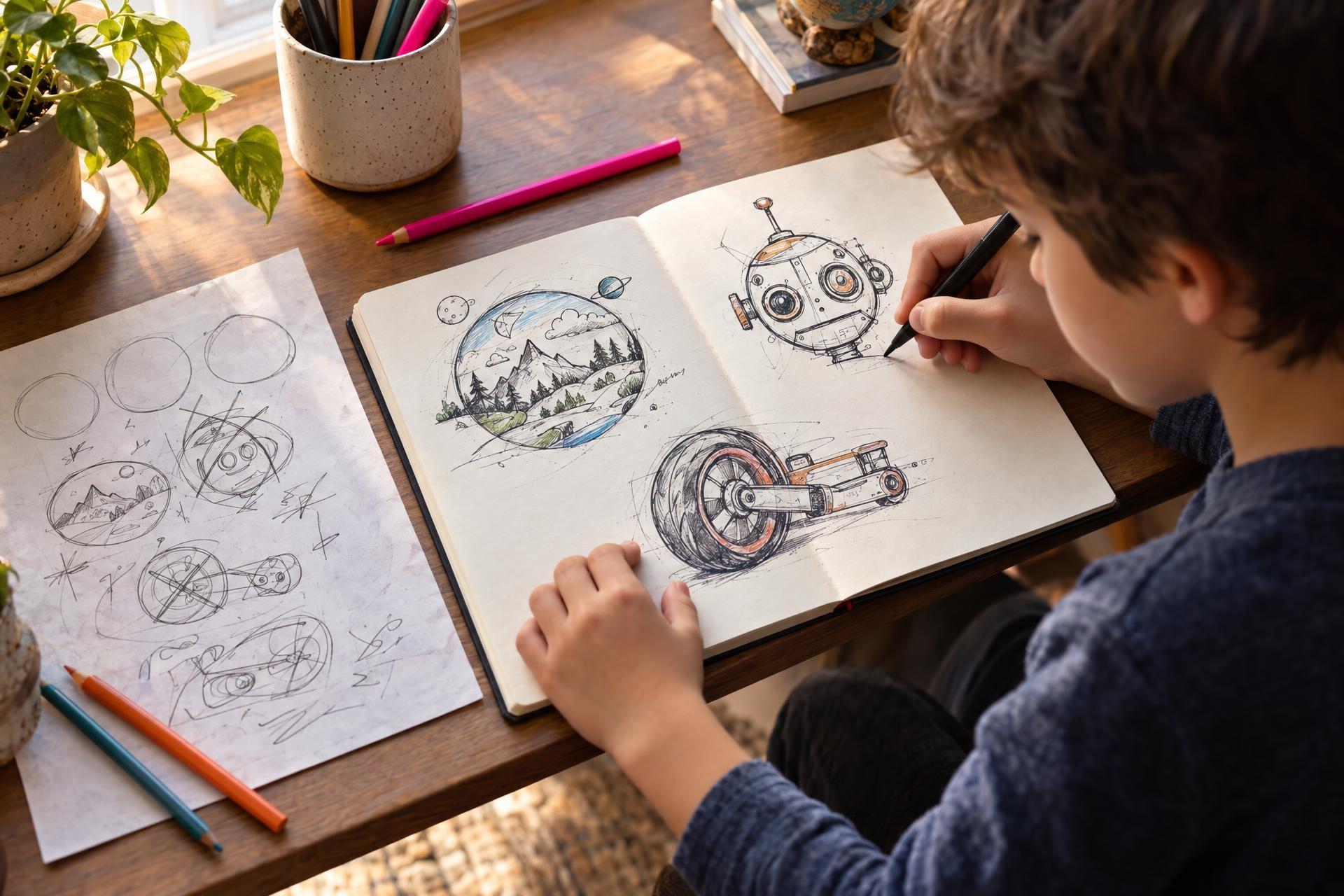
Can Drawing Help Children Become More Creative Thinkers?
Drawing can help children practice observation, idea generation, revision, and communication—without needing to be “good at art.”
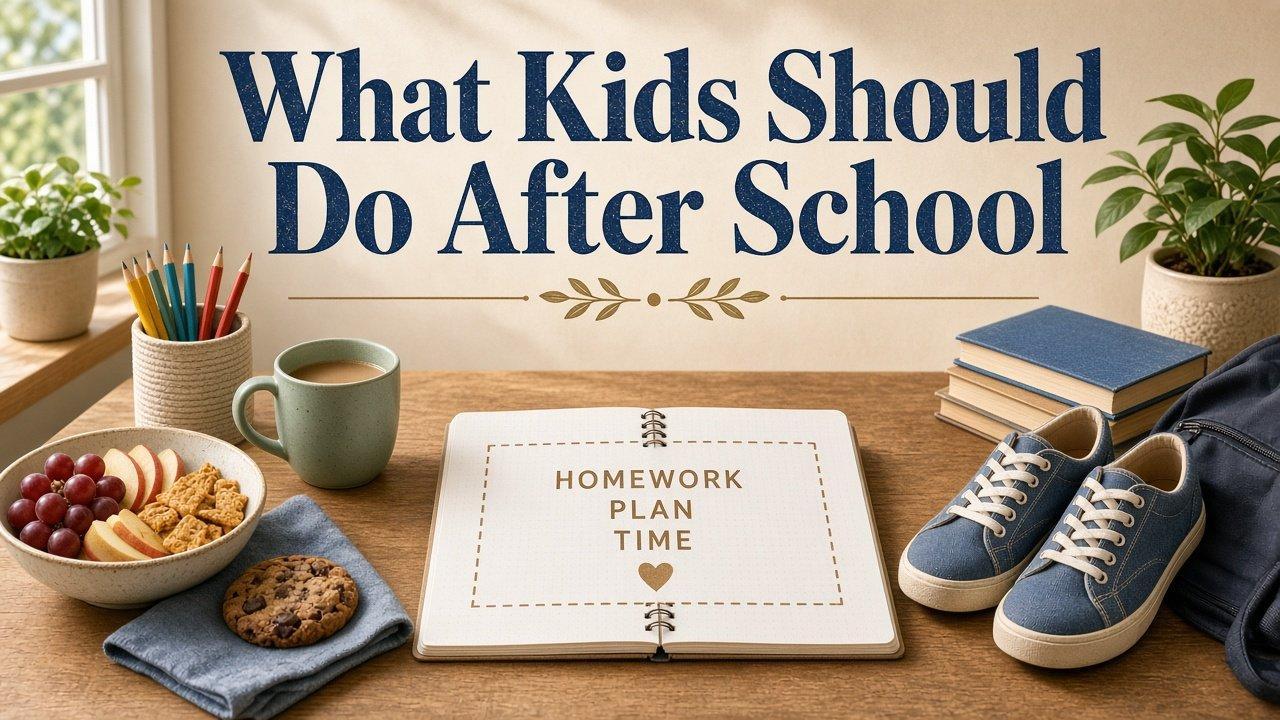
What Kids Should Do After School
A realistic after-school routine for ages 8–14—decompression, homework, movement and downtime that can stick.
Tutoring vs Enrichment
Tutoring vs enrichment—how parents can tell which a child actually needs before buying another program.
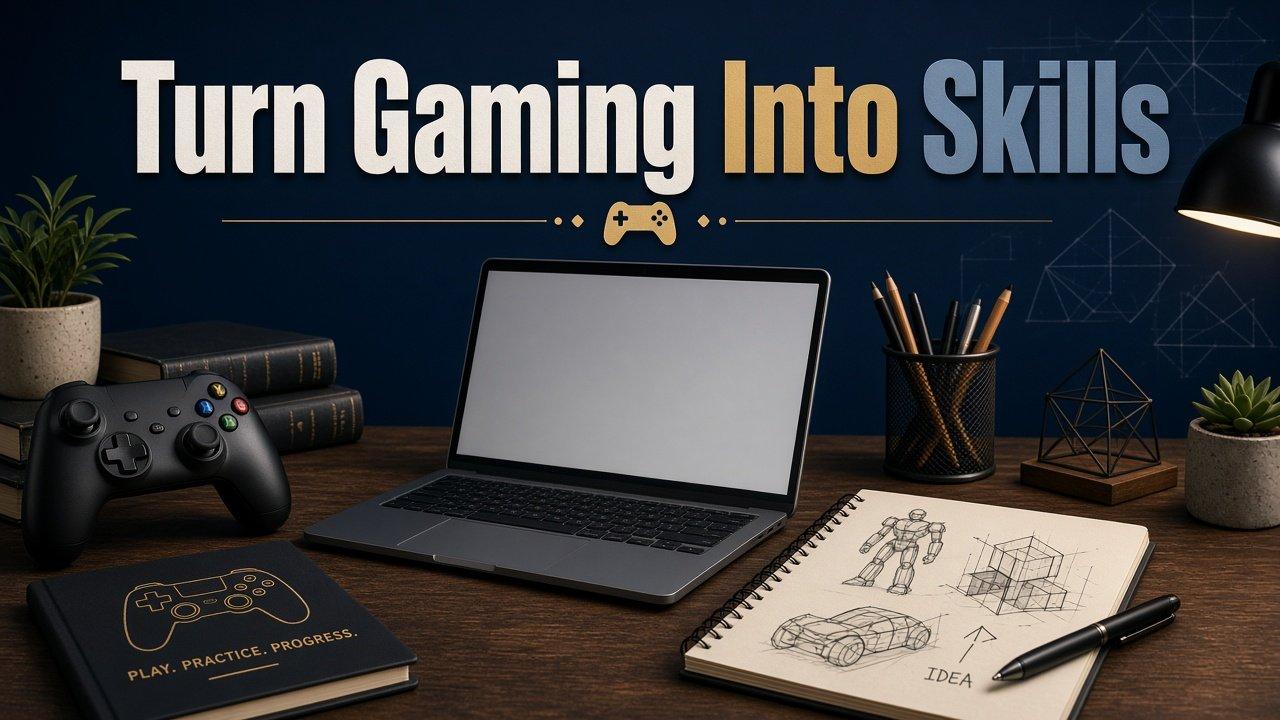
Turn Gaming Into Skills
How to turn a child’s gaming interest into skills—creating, designing and learning without starting a screen-time war.
Too Much Screen Time at School
Questions parents can ask when kids seem to get too much screen time at school—and how to respond constructively.
Should Kids Quit an Activity?
A fair framework for deciding whether a child should quit an activity—commitment, fit and when persistence helps.
Productive vs Passive Screen Time
A better framework than screen minutes alone—productive vs passive screen time and how parents can set rules that fit.
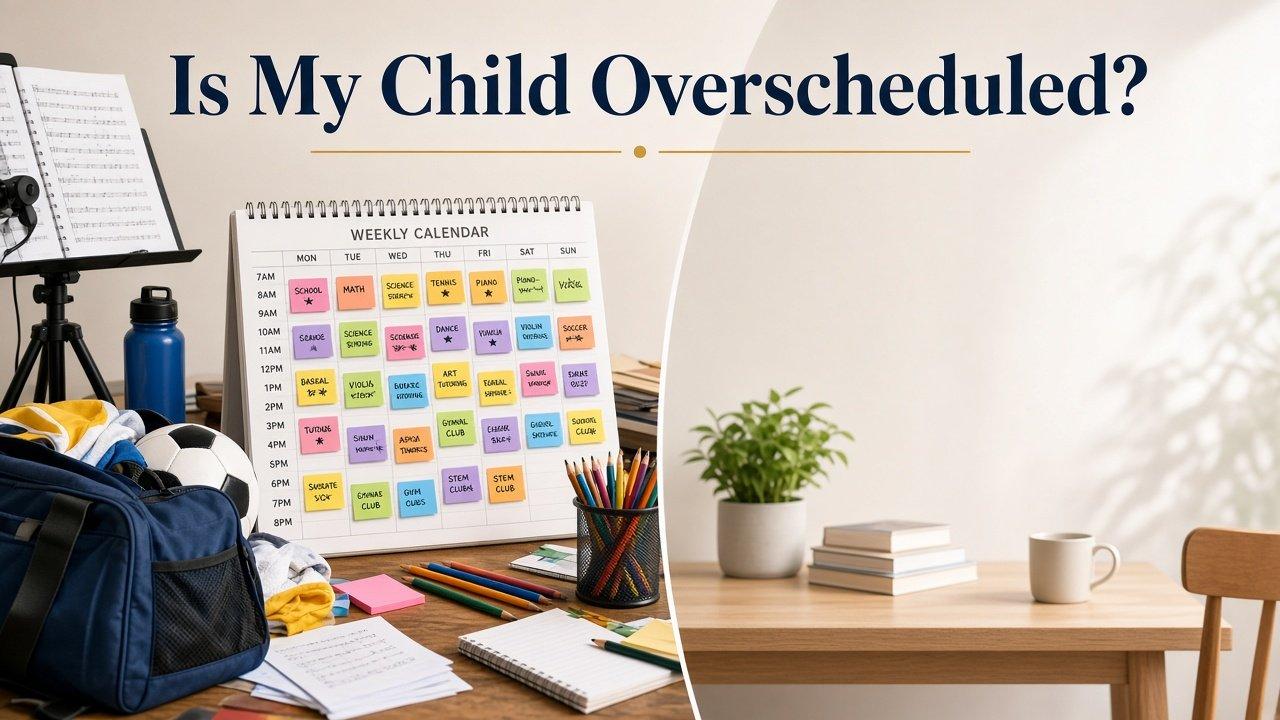
Is My Child Overscheduled?
Signs a child is overscheduled—and how parents can add space without dropping everything that matters.
Independent Activities for Kids
Independent activities for kids ages 8–14 that don’t feel like busywork—ideas that build skill and self-direction.
How Much Homework Is Too Much?
How much homework is too much in elementary and middle school—and what parents can do when the load is unsustainable.
Homework Taking Hours
Why homework is taking hours every night—and how parents can diagnose friction without nightly battles.
Making Friends at a New School
How to help a child make friends at a new school or activity—practical steps without forcing instant popularity.

Another Class or Free Time?
How to decide whether a child needs another class—or more free time—before filling the week again.
Child Using AI for Homework
What to do when a child uses AI for homework—boundaries that protect learning without pretending AI will disappear.

Child Only Interested in Games
When a child seems only interested in video games—what to worry about, what to try and how to widen interests without a war.
Child Not Challenged at School
What parents can do when a child is not challenged at school—enrichment, advocacy and options that deepen learning.
Child Has No Close Friends
When a child has no close friends—what to watch for, when to help and when waiting with support is wiser.
Bored at School or Learning Gap?
How to tell if a child is bored at school or avoiding work that feels hard—and what parents can try next.

Family AI Homework Rules
A family AI agreement for schoolwork—clear rules kids can follow without turning homework into a secrecy problem.
After-School for Working Parents
After-school ideas for kids when parents are still working—realistic routines, independent activities and safety without a packed calendar.

Improve Writing at Home
How to improve a child’s writing at home without more worksheets—practice that builds voice, structure and revision.
Does My Child Need a Writing Tutor?
Does your child need a writing tutor? Signs, questions to ask and when home practice can close the gap.
Reading Skills by Grade
Reading skills by grade from 3–8—what parents should expect and how to support growth without panic.
Does My Child Need a Reading Tutor?
Does your child need a reading tutor? Signs to notice, questions to ask and when home support is enough.
Homeschool Social Clubs
How to use homeschool social clubs and co-ops for real friendships—continuity over a busy calendar.
Homeschool Curriculum Guide
How to choose the best homeschool curriculum for grades 3–8—fit, workload and what to compare before buying.
Science With Minecraft
Science with Minecraft projects that go beyond building—observation, systems and explanations parents can recognize.
Math With Minecraft
Math with Minecraft projects for grades 3–8—structure that builds real math thinking beyond free play.
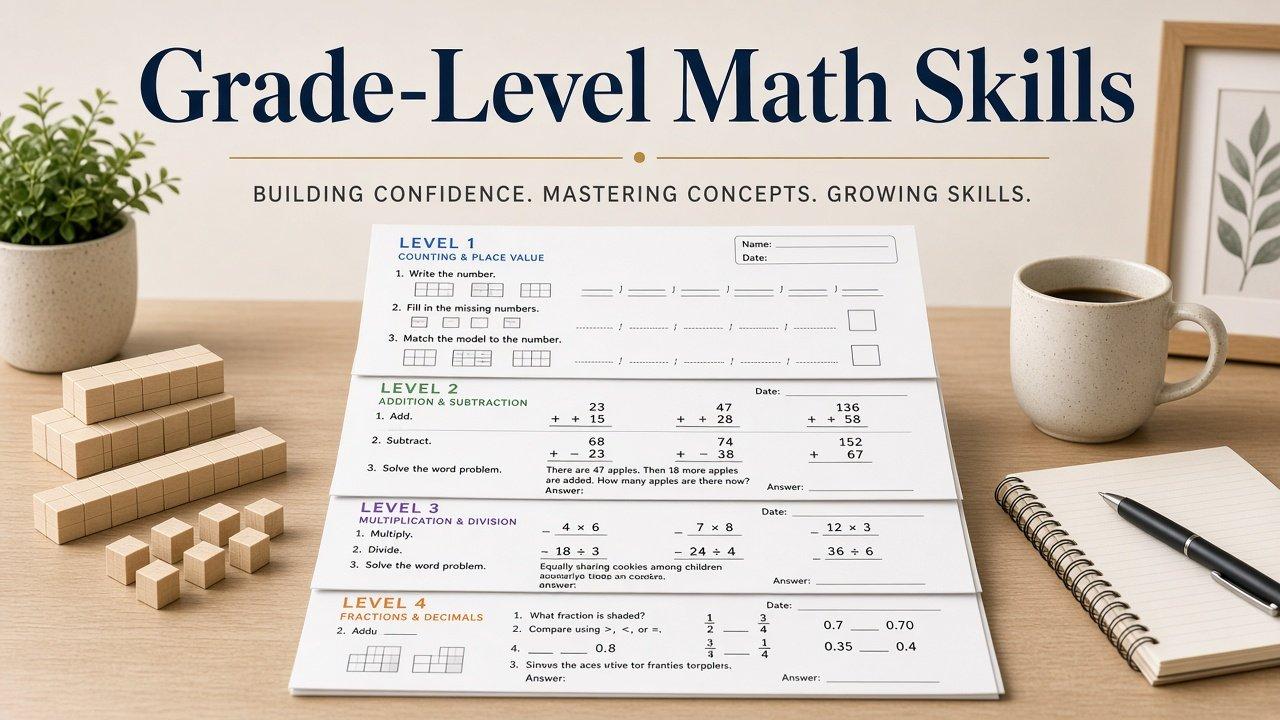
Grade-Level Math Skills
What grade-level math skills look like from grades 3–8—and how parents can check progress without panic.
Game-Based Math Learning
Is game-based math learning educational or just more screen time? How parents can tell practice that builds skill from distraction.
Homeschool Socialization
How homeschooled children build real friendships—continuity, community and what to do when activities do not create belonging.

Future-Ready Skills
Future-ready skills for kids that matter beyond coding—learning, questioning tools and working with other people.
Best Electives for Kids
Electives for kids in grades 3–8 that build skill and curiosity—how parents can choose without overloading the week.
Is Roblox Real Coding?
Is Roblox coding real programming? How parents can tell scripting and systems from only playing and placing assets.
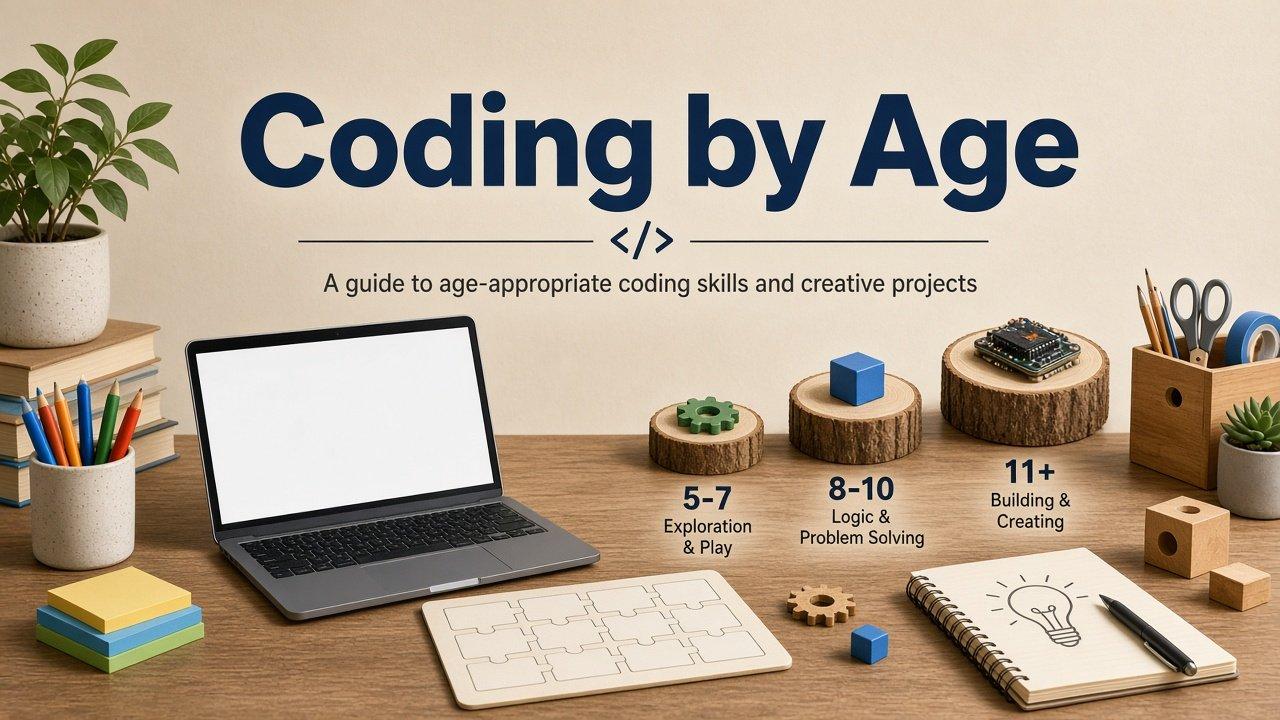
Coding by Age
What kids can learn in coding at ages 7, 9, 11 and 13—and how parents can tell readiness matters more than racing tools.

Choosing an ADHD Tutor
How to choose a tutor for a child with ADHD—subject skill, working memory support and signs the match is helping.
Learning Activities for ADHD
What to look for in learning activities for kids with ADHD—clear goals, fast feedback and activities that invite persistence.

Grammar vs Writing Skills
Grammar vs writing skills—what parents should teach first so children write clearly without freezing over every rule.
Essay Writing for Middle School
How to teach essay writing to middle schoolers—structure, thesis, evidence and revision without killing their voice.
Reading Fluency Help
Why reading fluency matters and how parents can help—practice that builds smooth reading without pressure.

Do Graphic Novels Count as Reading?
Do graphic novels count as reading? What parents should know about comprehension, motivation and when to broaden the reading diet.
Homeschool Electives and Enrichment
Homeschool electives and enrichment ideas for grades 3–8—ways to add depth without overloading the week.
Spanish Programs for Homeschool
How to choose Spanish programs for homeschoolers in grades 3–8—speaking practice, curriculum fit and what to compare before buying.
Minecraft Coding Tools and Projects
Minecraft coding for kids explained—languages, tools and projects parents can understand before buying another platform.
Minecraft Creative Mode Ideas
Minecraft Creative Mode ideas that build real skills—planning, design and reflection, not only free play.
Math Word Problems Help
How to help a child with math word problems—reading the question, choosing a strategy and checking if the answer makes sense.
Learn Multiplication Facts
How to help a child learn multiplication facts without daily battles—practice that builds fluency and confidence.
Is My Homeschooler at Grade Level?
How to know if a homeschooled child is at grade level—what to check, what not to panic about, and when to adjust.
How Many Hours to Homeschool
How many hours a day homeschool should take—realistic ranges by age and how to judge if your day is too long or too thin.
Creative Hobbies for Bored Kids
Creative hobbies for kids who say they are bored—options that build skill, not just fill time.
Fashion Design for Kids
Fashion design for kids—skills, beginner projects and how to start without buying every supply at once.
Should Kids Learn Game Dev
Should kids who love gaming learn game development? Readiness, tools, first projects and how to tell making from only playing.
Coding With Minecraft
What kids can actually learn from coding with Minecraft—and how parents can tell building from just playing.
ADHD and Social Skills
How parents can support social skills for children with ADHD—friendships, practice and coaching without shame.
Strengths-Based Learning for ADHD
How parents can use strengths-based learning for children with ADHD—build on what works without ignoring real support needs.

AI and Writing Homework
How parents can handle AI and writing homework—rules that protect children’s thinking without pretending AI does not exist.
Organize Writing Ideas
What to do when a child has great ideas but cannot organize writing—simple structures that turn thoughts into clear drafts.
Improve Reading Comprehension
How parents can improve reading comprehension in grades 3–8—strategies that build understanding, not just faster reading aloud.

Help a Reluctant Reader
How to help a reluctant reader—reduce resistance, rebuild enjoyment and support progress without turning every book into a fight.

Homeschool Science Projects
Homeschool science resources and projects for grades 3–8—what to compare so kids experiment and explain, not only finish worksheets.
Homeschool Writing for Reluctant Writers
A practical grades 3–8 plan for homeschool writing with reluctant writers—process, choice and progress without daily battles.
Best Minecraft Classes for Kids
What parents should compare before buying a Minecraft class—projects, teaching quality, safety and whether kids build independently.
Minecraft Multiplayer Safety
Minecraft multiplayer safety for parents—servers, Realms, friends and rules that matter beyond account settings.
Why Kids Struggle With Fractions
Why fractions feel hard for many kids—and what parents can practice so understanding sticks beyond memorized steps.
Math Anxiety in Children
What parents can say and do when a child has math anxiety—calm language, small wins and when extra help is needed.
Child Refuses Homeschool Work
What to do when a child refuses homeschool work—diagnose the barrier, shrink the start, and protect the relationship.
Homeschool Burnout Reset
Signs of homeschool burnout and a practical reset—what to pause, simplify and protect when school-at-home stops working.
Entrepreneurship for Kids
How to teach entrepreneurship for kids without the hype—real projects, customer thinking and skills that transfer beyond a lemonade stand.
Financial Literacy for Kids
What to teach kids about money from ages 8–14—saving, spending, earning and decisions that stick without adult lectures.
Free Coding Classes for Kids
Where parents can start with free coding classes and resources for kids—and how to tell a useful free path from busywork.
Python for Kids
A parent’s guide to Python for kids—when to start, what to expect, and how to choose projects that build real independence.
Screen Time and ADHD
How parents can set screen-time limits for kids with ADHD without constant conflict—rules, transitions and what to protect first.
Executive Function Skills for ADHD
What executive function skills parents can teach kids with ADHD—planning, starting, organizing and recovering without constant conflict.
Writing Skills by Grade
What children should learn in writing from grades 3–8—and how parents can judge a sample and respond to gaps precisely.
Handwriting vs Typing for Kids
Compare handwriting and typing for children’s writing—benefits of each, when bottlenecks appear, and how a dual approach helps.
Build Vocabulary Without Lists
Build a child’s vocabulary through reading, word parts, child-friendly definitions and repeated use—without endless memorization lists.

Best Reading Websites and Apps
What parents should compare in reading websites and apps—instructional quality, engagement, privacy and when human support is needed.
Homeschooling a Child With ADHD
Homeschool routines that support ADHD learners—anchors, small starts, visible chunks, movement and relationship-first teaching.
Coding Websites for Homeschool
Compare coding websites for homeschooled kids in grades 3–8—including Scratch, Code.org, Minecraft Education, Roblox Studio and more.
Minecraft vs Roblox for Kids
Compare Minecraft and Roblox for kids on creativity, safety, spending and learning—then choose based on your child and context.
Is Minecraft Safe for Kids?
A 2026 parent guide to Minecraft safety—versions, multiplayer risks, account controls and rules that settings cannot replace.
Is My Child Ready for Algebra 1?
A parent checklist for Algebra 1 readiness—number sense, ratios, expressions, graphs, habits and what to do when readiness is uneven.
Does My Child Need a Math Tutor?
Seven signs a child may need a math tutor—and when tutoring is not the first solution parents should try.
Realistic Homeschool Schedule
Build a realistic homeschool schedule for grades 3–8 with anchors, sample days and fixes when the plan keeps failing.
How to Choose Homeschool Curriculum
Choose a homeschool curriculum without overwhelm—requirements vs preferences, workload, scorecards and a short pilot before you buy everything.
Debate and Public Speaking for Kids
What kids actually learn from debate and public speaking—and how parents can start age-appropriately without false confidence.
Animation for Kids
A parent guide to animation for kids—tools, beginner projects, planning skills and what to look for in a class.
Scratch vs Python for Kids
Compare Scratch and Python for kids—what each teaches well, when to start, and how to transition without a prestige trap.
Ready to Move Beyond Scratch?
Signs a child is ready to move beyond Scratch—and when staying longer builds stronger independence and debugging skill.
After-School Routine for ADHD
Build an after-school routine for children with ADHD using decompression, anchors, movement and small visible homework blocks.
ADHD Homework Battles
Reduce ADHD homework battles by diagnosing initiation, attention, skill and emotion barriers—then redesigning the routine one change at a time.
50 Creative Writing Prompts for Kids
Fifty creative writing prompts for kids in grades 3–8—story starters that invite choice, detail and revision instead of one-word answers.
My Child Hates Writing
A practical guide for reluctant writers—how to reduce resistance, build process and help kids get words on the page.

My Child Is Reading Below Grade Level
What parents should do when a child is reading below grade level—assessment, practice, support and when to get help.
Could My Child Have Dyslexia?
Signs parents should discuss with a professional when wondering about dyslexia—without diagnosing at home.
Best Homeschool Math Resources
A parent’s guide to homeschool math resources for grades 3–8—what to compare, how to diagnose gaps and when a program is enough.
Minecraft for Homeschool
Twelve homeschool lesson ideas that turn Minecraft building into planning, writing, math, science and real reflection—not just free play.
My Child Plays Minecraft for Hours
How much Minecraft is too much—and how parents can set limits that protect sleep, mood and real creative building.
What Do Kids Learn From Minecraft?
An honest parent guide to what kids can learn from Minecraft—and when play stays play instead of becoming skill-building.
10 Best Math Websites for Kids
Compare the best math websites for kids in grades 3–8 by practice style, feedback, engagement and whether they build real understanding.
My Child Hates Math
What parents should do before hiring a tutor when a child hates math—mindset, gaps, practice and when help is actually needed.

Best Online Classes for Homeschoolers
What homeschool parents should look for in online classes—fit, teacher quality, workload and whether classes support your home schedule.
How to Start Homeschooling
A practical guide for new homeschool parents—first decisions, schedules, curriculum choices and how to start without burning out.
Best Online Enrichment Classes for Kids
A parent’s guide to online enrichment classes—what “enrichment” should mean, what to compare, and how to avoid busywork that looks impressive.

How to Choose the Right Extracurricular
A practical parent framework for choosing extracurriculars that fit your child’s energy, interests and schedule—not every shiny option.
Best Coding Classes for Kids
What parents should compare before buying a coding class—projects, teacher feedback, class size and whether kids can build independently.
10 Best Coding Websites for Kids
Compare 10 of the best coding websites for kids in 2026 by age, skill level, teaching style, cost and the projects children can build.
Online Classes for Kids With ADHD
Evaluate online classes for children with ADHD by lesson design, teacher skill, participation, breaks, feedback and class size.

Does My Child Need an ADHD Evaluation?
What parents should notice before seeking an ADHD evaluation—and how to prepare without jumping to conclusions.
Math With Minecraft
How to turn building into meaningful measurement, scale, ratios, budgeting, probability and data—not just arithmetic pasted onto a game.
Social Studies With Minecraft
How creative builds can become serious historical reasoning, geography, economics, civics and cultural inquiry.
Science With Minecraft
How to use Minecraft as a modelling and design environment for science without pretending the game is a laboratory.
Author: Mateo Ruiz
How Minecraft Education can take a child from sequencing and Agent commands through loops, variables, functions, Python and game design.
How Minecraft Can Build Life Skills
A deep look at planning, persistence, teamwork, negotiation, leadership, communication and ownership—and why none of them happen automatically.
Is My Child Learning or Just Playing Minecraft?
A practical framework for spotting planning, problem-solving, transfer, feedback and genuine mastery inside Minecraft play.
Minecraft for Education: The Complete Parent Guide
What Minecraft Education actually teaches, how it differs from ordinary play, which subjects it suits, and how parents can tell when the learning is real.
Roblox Coding for Kids Complete Roadmap
A deep roadmap through Roblox Studio and Luau: variables, events, functions, conditionals, loops, debugging, original projects and what comes next.
From Roblox Player to Roblox Creator
How to turn a child’s interest in Roblox into 3D building, game design, playtesting, scripting and finished creative projects.
What Can Roblox Actually Teach Kids?
Game design, coding, 3D creation, UX, entrepreneurship, collaboration and project skills—plus the important difference between playing and learning.
Roblox Games Kids Are Obsessed With Parent Guide
A parent’s guide to current Roblox culture—and a framework for evaluating whatever becomes the next craze.

Is Roblox Safe for Kids in 2026?
A nuanced, age-by-age guide to chat, strangers, content, Robux, parental controls, screen time and Roblox’s new Kids and Select accounts.
Why Are Kids So Obsessed With Roblox?
What children are actually getting from Roblox—novelty, friendship, status, collecting, identity and the possibility of becoming a creator.
25 Things for a Bored 10-Year-Old to Do
Projects, challenges and creative ideas for ten-year-olds who are ready for more ownership, real tools and longer projects.
25 Things for a Bored 9-Year-Old to Do
Interesting, independent activities for nine-year-olds that can grow into projects, hobbies and real skills.
Game Development for Kids: From Scratch to Real Games
From Minecraft & Roblox Player to Creator
How to turn a Minecraft or Roblox obsession into building, coding and real creative skill—without starting a screen-time war.
Educational Activities That Don’t Feel Like School
Why Is My Child Always Bored?
Why kids say they are always bored—and what parents should and shouldn’t do about it.
Things Kids Can Do Independently at Home
A parent’s guide to independent play at home—what kids can do on their own, and how they get better at starting without you.
25 Things for a Bored 8-Year-Old to Do
Real activities an eight-year-old can actually get into—including ideas that can grow into projects, hobbies and surprisingly serious skills.
Is AI Bad for Kids? Maybe That’s the Wrong Question
Is AI bad for kids? Learn when AI helps children learn, when it becomes a shortcut, and how parents can teach kids to use AI responsibly.
Indoor Activities for Kids When Parents Are Working
Discover 20 indoor activities that keep kids engaged while parents work. Find independent ideas for 20-minute tasks, 90-minute projects, and more.
Coding Classes for Kids
Is coding good for a 6-year-old? Discover how coding can help kids build creativity, problem-solving, confidence, and real-world skills through play.