By Amelia ·
Creative Halloween Projects for Kids Ages 6–11
Turn a child’s love of Halloween into drawing, painting, crafts, characters, and handmade projects with flexible, low-pressure ideas.
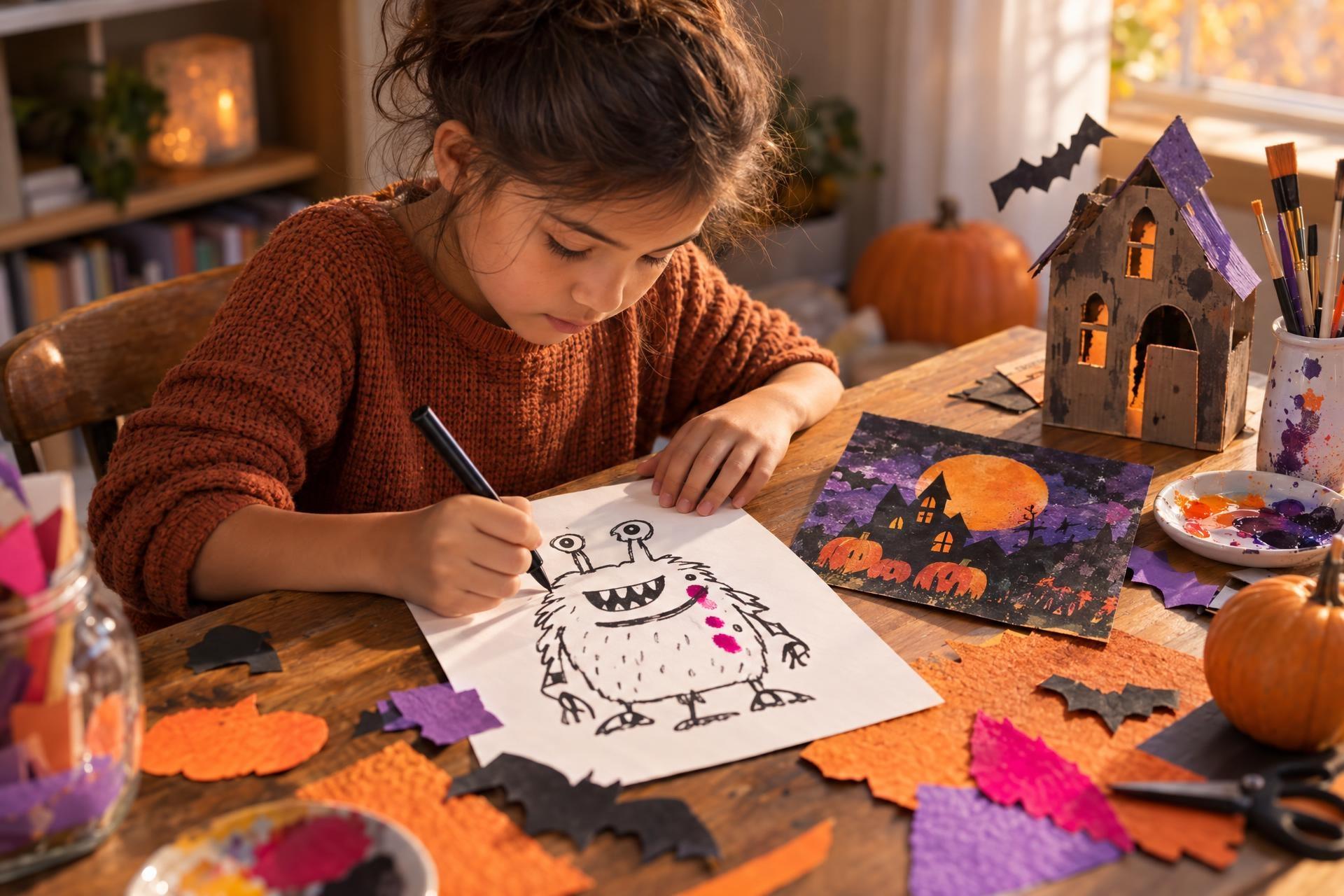
Halloween inspiration does not have to end with choosing a costume or setting out decorations. For a child who loves to draw, craft, paint, or make things, the season offers a whole world to invent: a friendly ghost with a secret job, a pumpkin patch at midnight, a cardboard haunted house, a costume for a character who does not exist yet. The most engaging starting point is usually not a parent-selected craft. It is the part of Halloween your child is already talking about.
Turn Halloween enthusiasm into a creative project by following one specific fascination—monsters, costumes, pumpkins, silly candy creatures, spooky settings, or autumn colors. Then offer a flexible prompt and a few material choices, rather than a model to copy. A single idea can become a drawing, painting, comic, collage, decoration, or small build. The goal is not a picture-perfect seasonal result; it is giving your child room to make choices and create something that feels distinctly theirs.
Start with the part of Halloween they already love
“Let’s do a Halloween craft” can feel surprisingly broad. A more useful question is: What part of Halloween has your child noticed, described, or returned to? Their answer gives you a creative direction without turning the activity into an assignment.
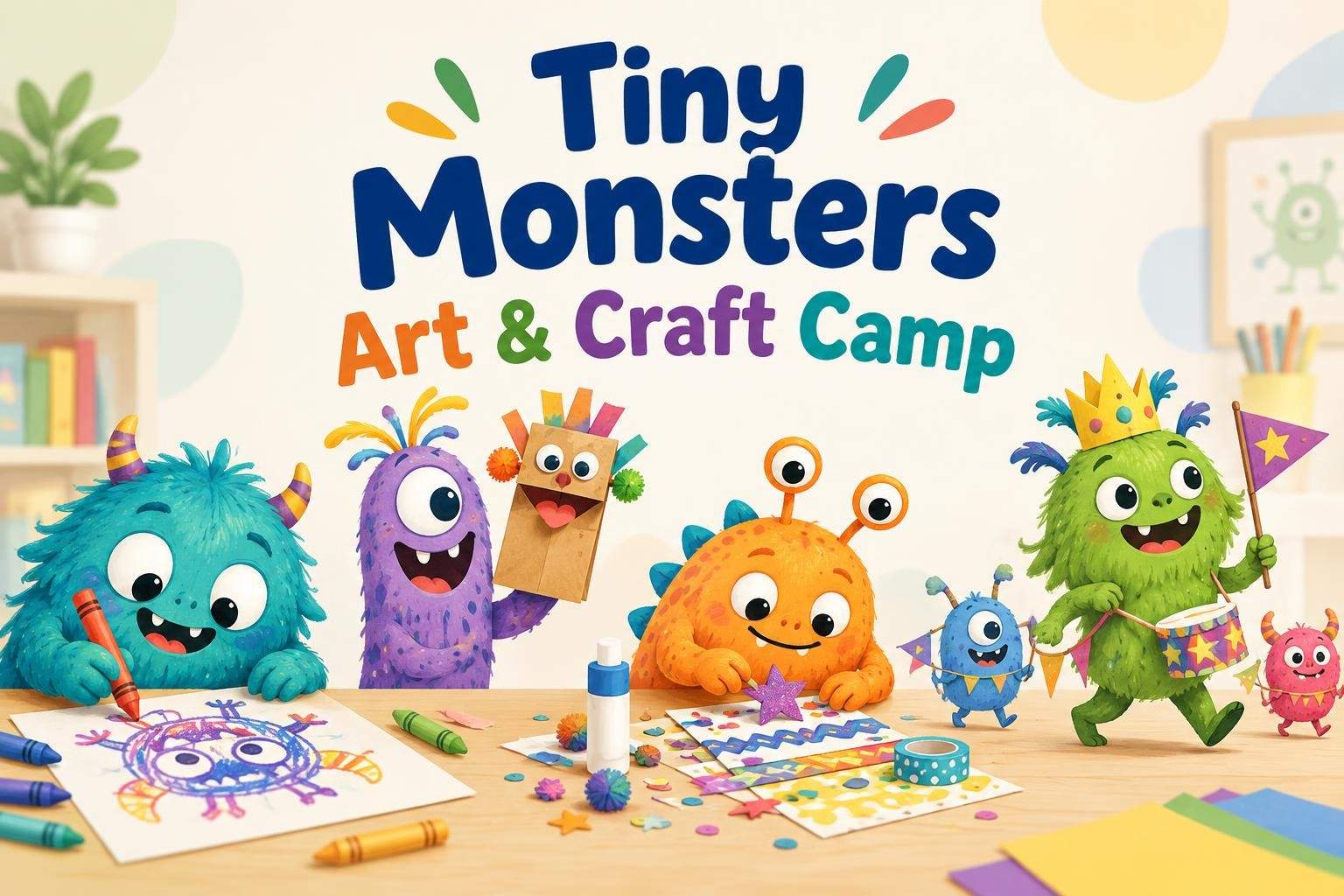
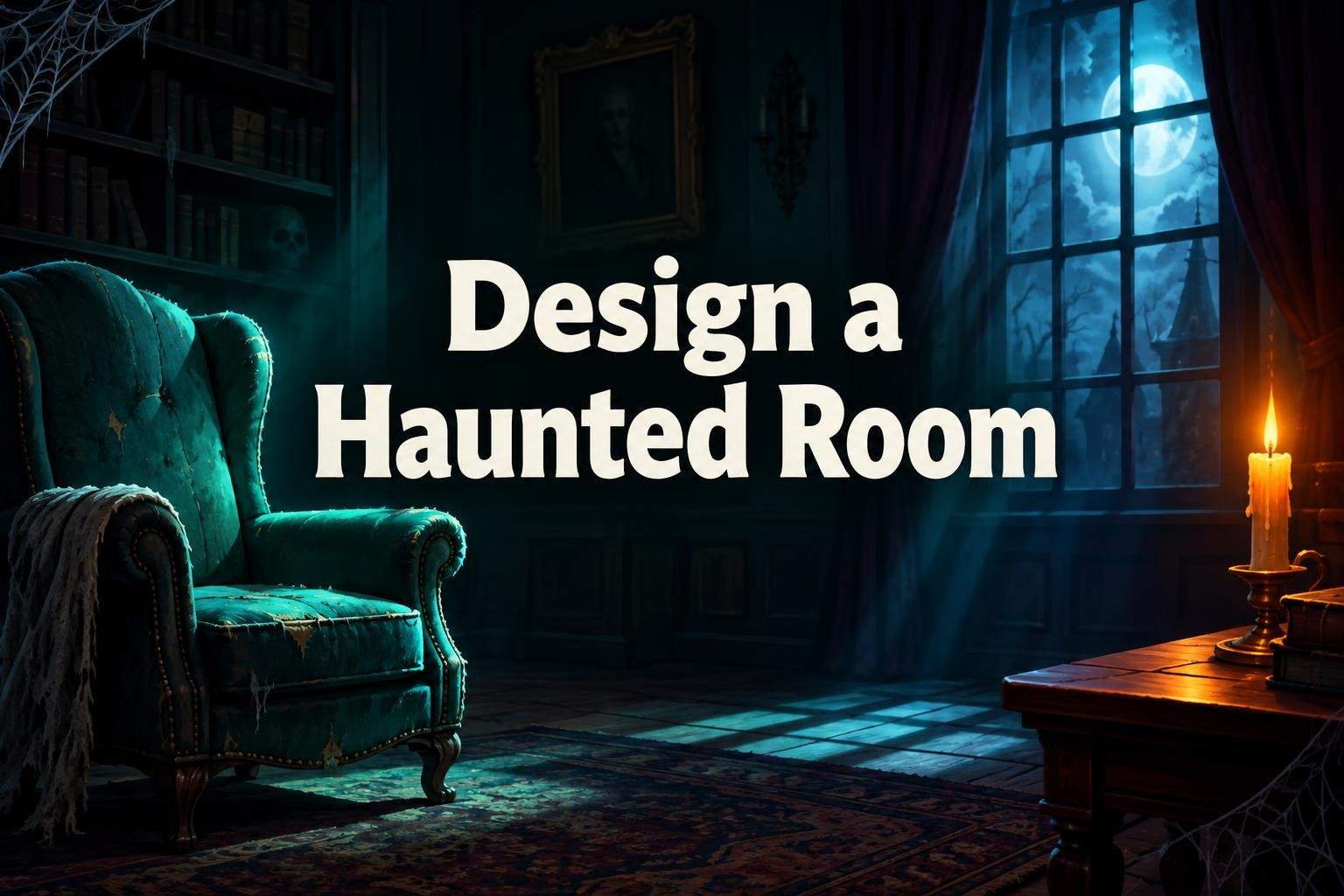
One child may be interested in the architecture of haunted houses—the crooked roofs, tiny windows, bats, and secret doors. Another may be delighted by costumes, especially the chance to combine unexpected ideas. A child who prefers funny over frightening might want to make monsters with too many socks, square heads, or dramatic eyebrows. All of those interests are valid entry points.
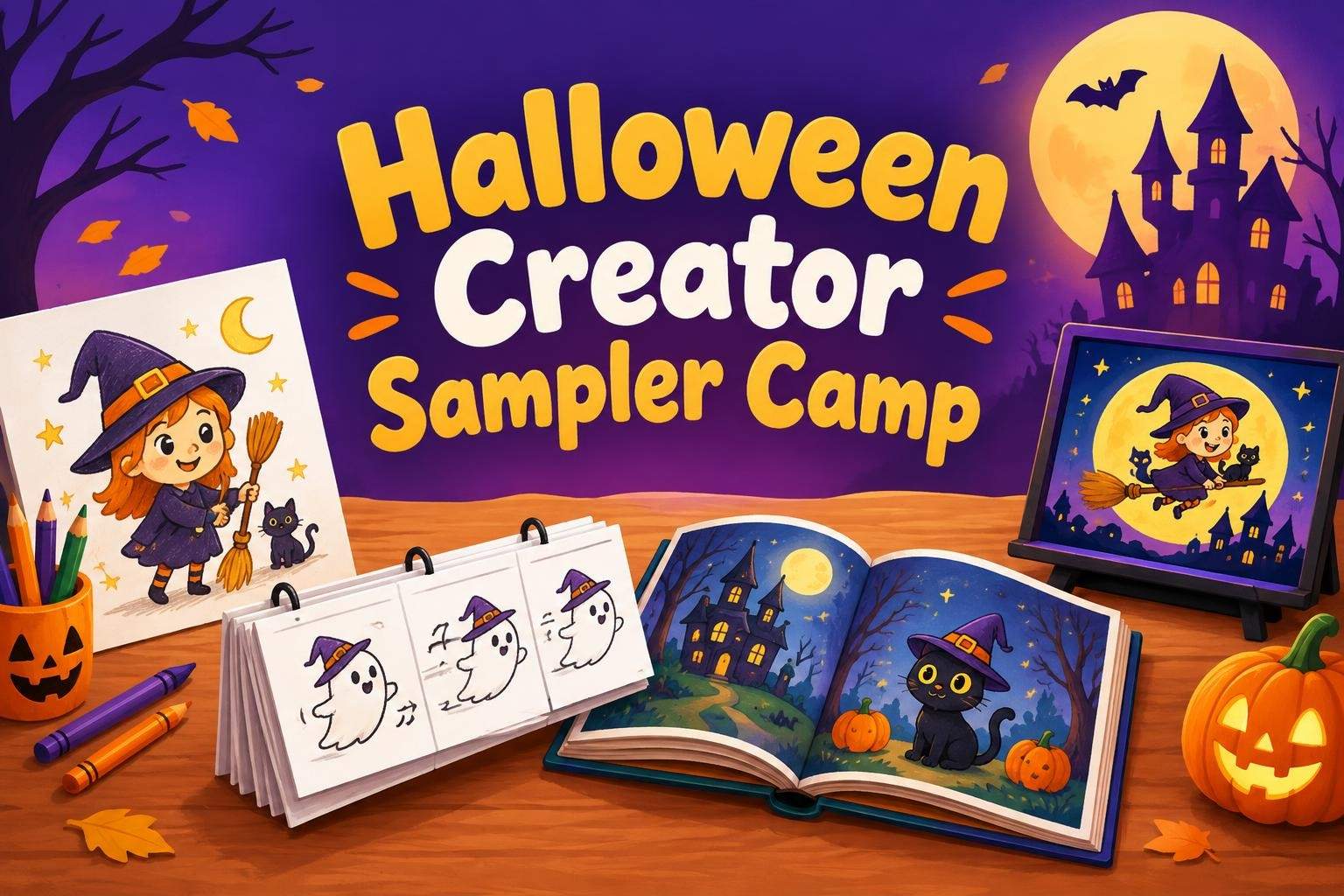
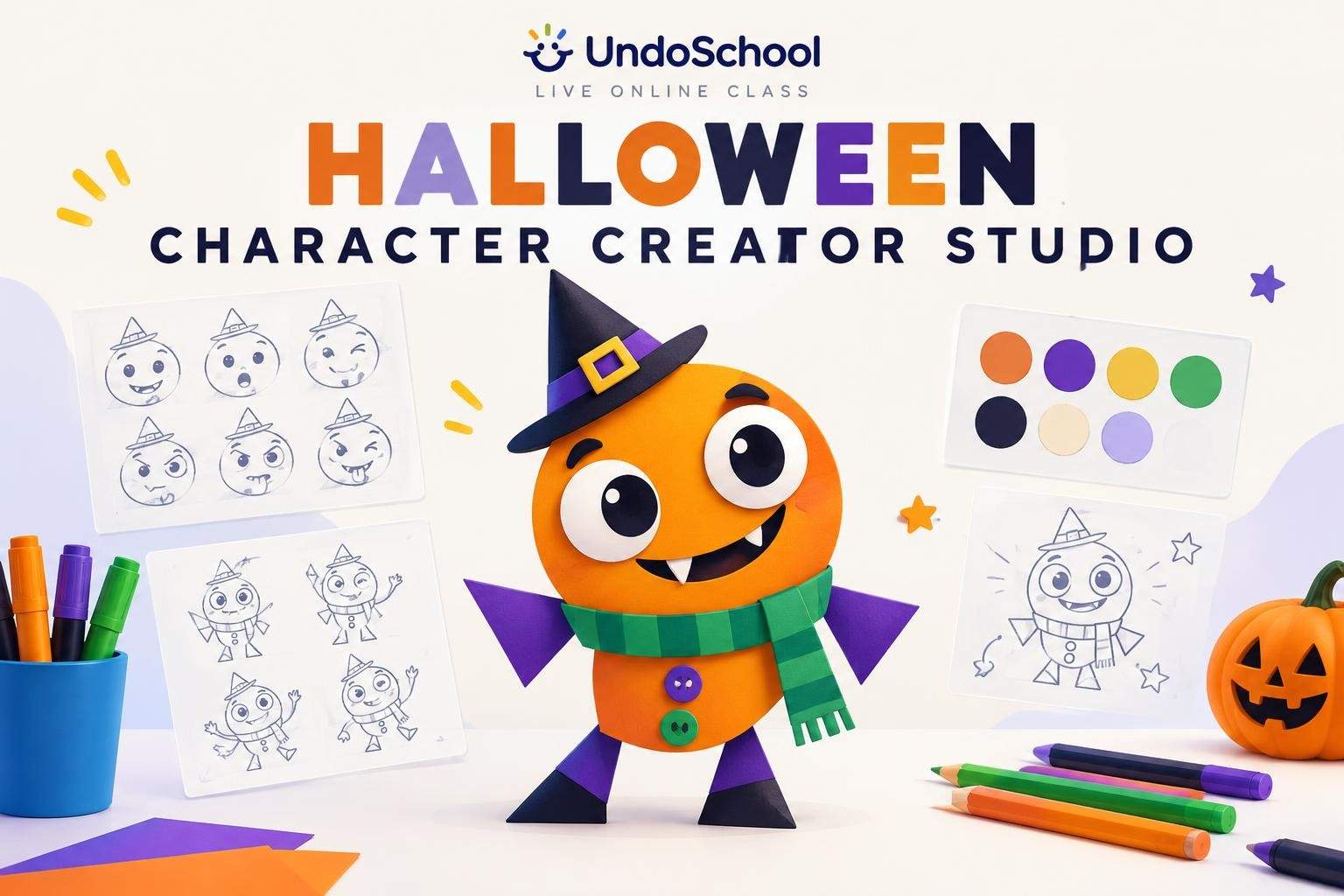
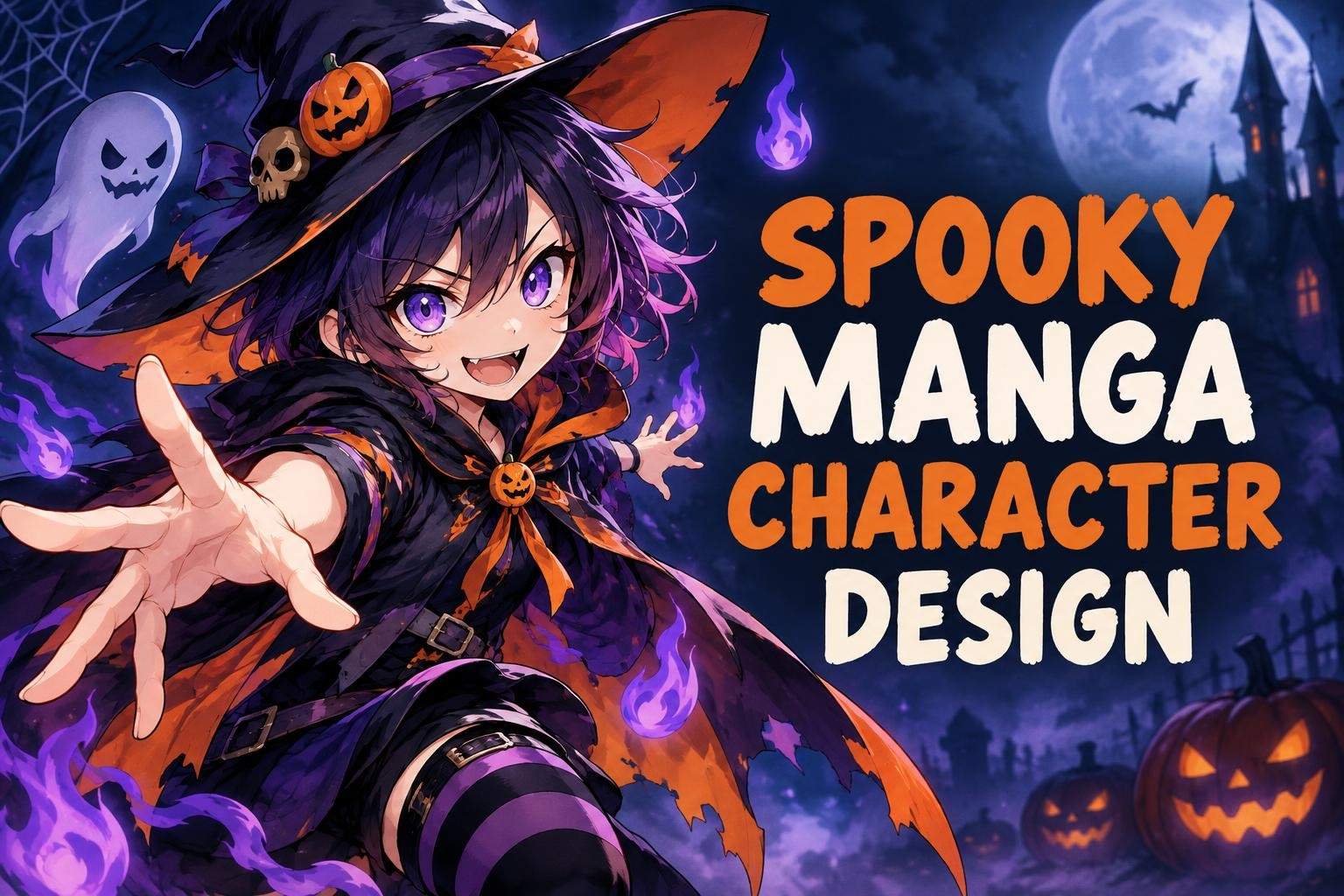
Try a character sheet, comic strip, mask, or set of expressive monster drawings.
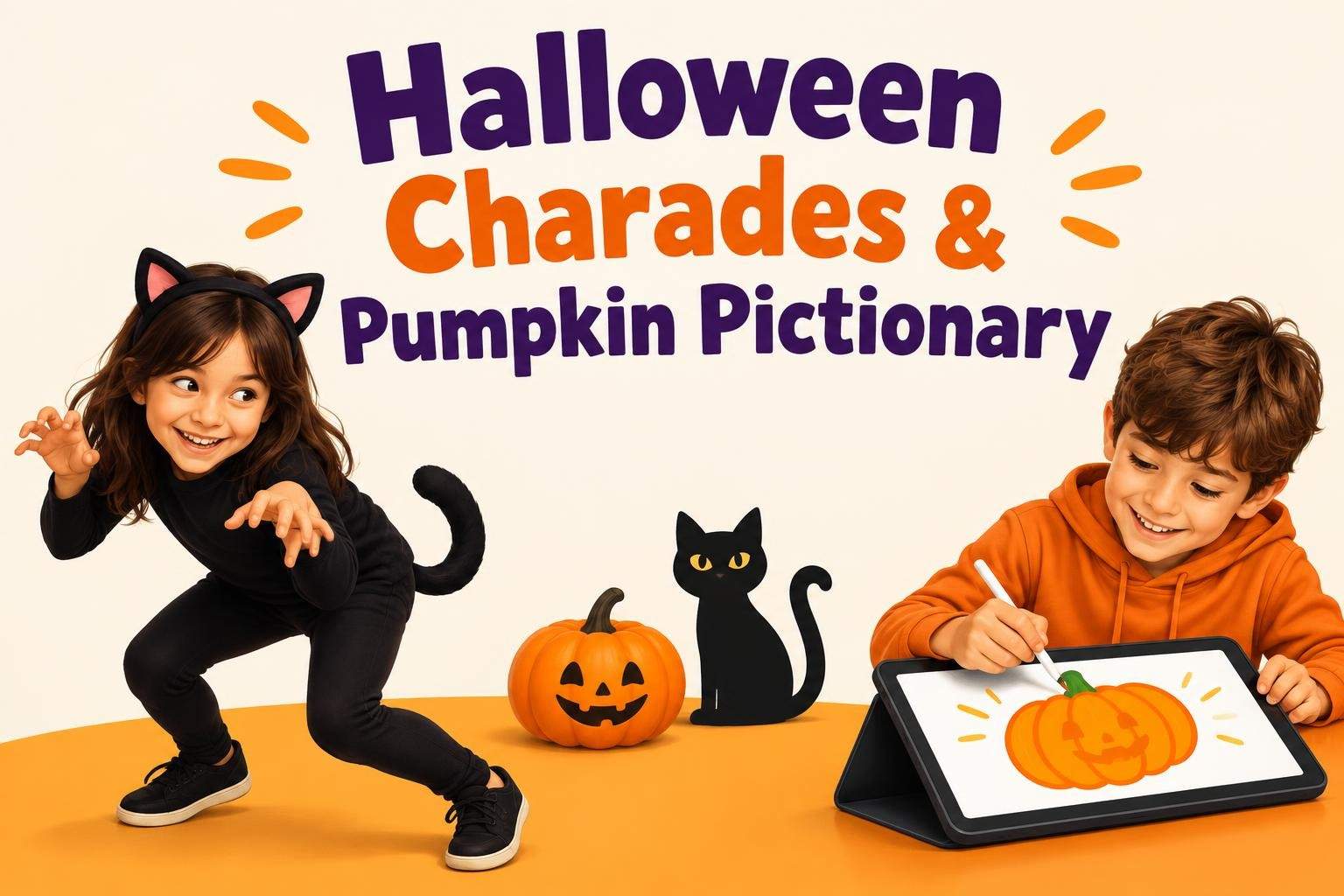
Try a paper mood board, costume sketch, accessory design, or character backstory.
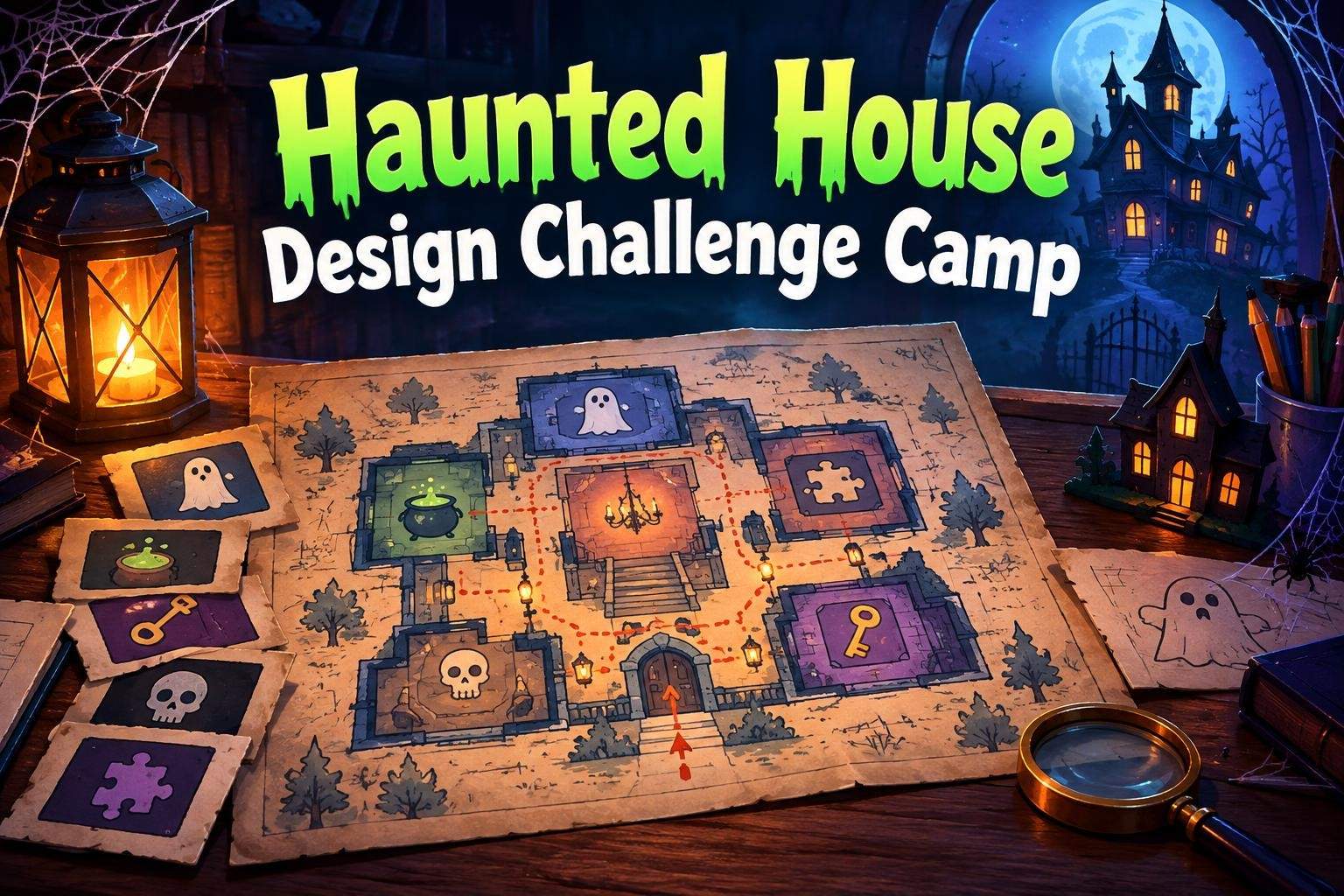
Try a painted night scene, cardboard façade, map, or imagined Halloween neighborhood.
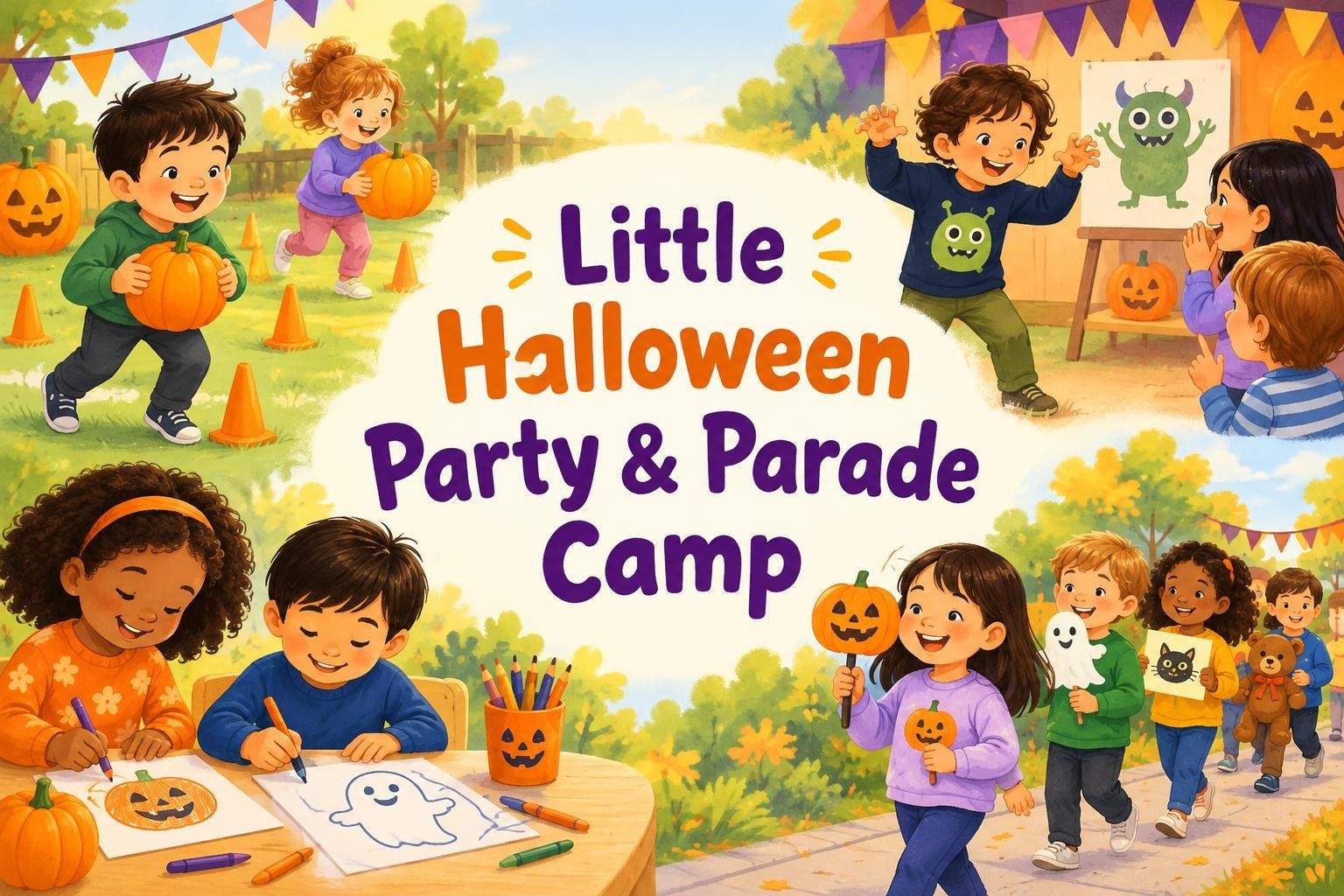
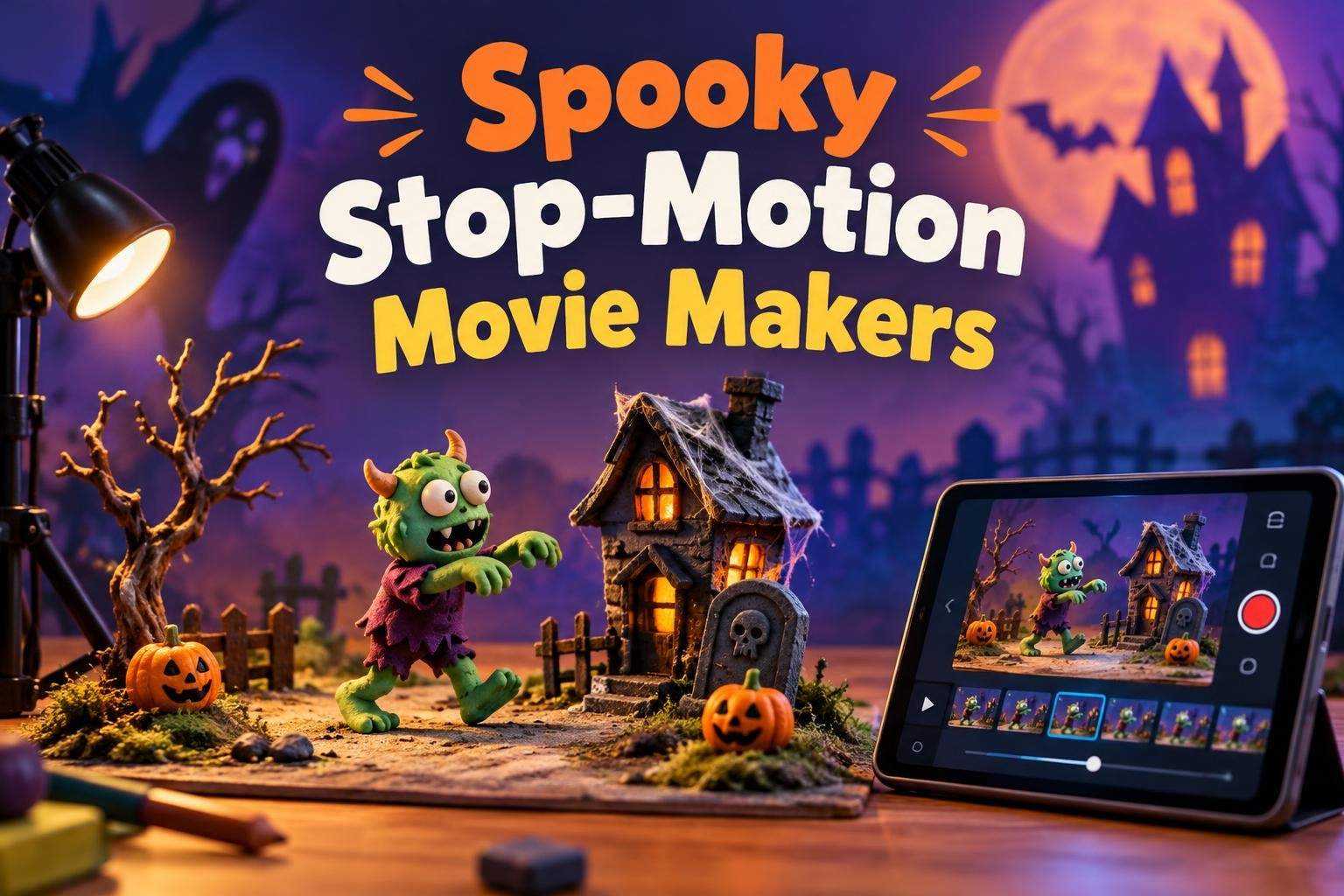
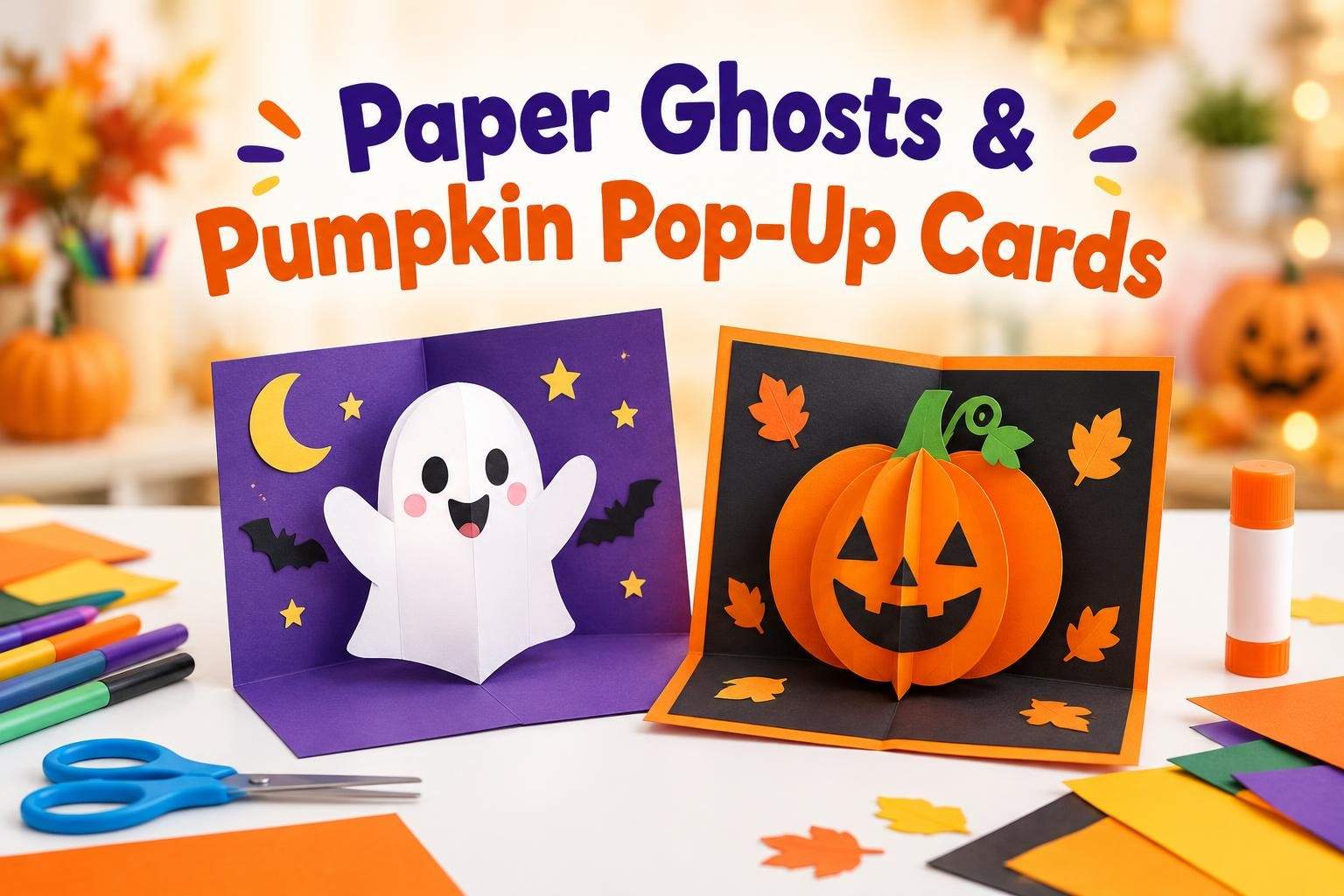
Try a paper garland, decorated treat bag, window art, or a small tabletop scene.
Begin with an open invitation: “What would you like to create for Halloween?” If your child gets stuck, offer two or three choices connected to what they already enjoy, rather than a long list of projects.
Help them move from Halloween fan to Halloween maker
Children encounter plenty of finished Halloween imagery: store displays, decorations, books, movies, costumes, and treat packaging. Making offers a different role. Instead of choosing from someone else’s characters and designs, your child gets to decide what a creature looks like, what happens in a haunted house, or which colors belong in a night sky.
That shift does not require a big setup. It can begin with one question: “What would happen if you changed it?” A pumpkin can have a tiny door and become a home. A witch can be a baker, a skateboarder, or a pet-sitter. A haunted house can be haunted by polite ghosts who leave thank-you notes. The point is not to make Halloween less familiar; it is to make it more personal.
For example, a child who loves spooky stories might sketch a friendly ghost, choose a name, and draw the place where it lives. That idea could stay as a single illustration or grow into a comic. A child fascinated by costumes might gather scraps of colored paper, make a mood board for an original character, and add a few notes about its accessories and personality.
The best Halloween creations are not always polished. They are personal, imaginative, and sometimes wonderfully weird.
One prompt, many original projects
A strong prompt gives a child somewhere to begin without deciding the result for them. Try this one: “Invent a Halloween world no one has seen before.”
You might follow with a few optional questions: Who lives there? What does it look like at night? Is it spooky, cozy, silly, mysterious, or all four? What is one unusual rule in this world? A child can answer through pictures, materials, or a story—no formal planning required.
| What your child enjoys | A possible project | A gentle creative stretch |
|---|---|---|
| Drawing characters | Create three residents of an imagined Halloween world. | Give each one a different shape, mood, and job. |
| Painting | Paint a pumpkin patch, moonlit scene, or strange candy shop. | Work with a small palette: orange, purple, green, black, and white. |
| Cutting and collage | Make a layered haunted-house façade or costume board. | Combine textures such as paper, cardboard, foil, or fabric scraps. |
| Building and making | Build a tiny spooky—or cheerful—scene from recycled materials. | Add a sign, a movable door, or one surprising detail. |
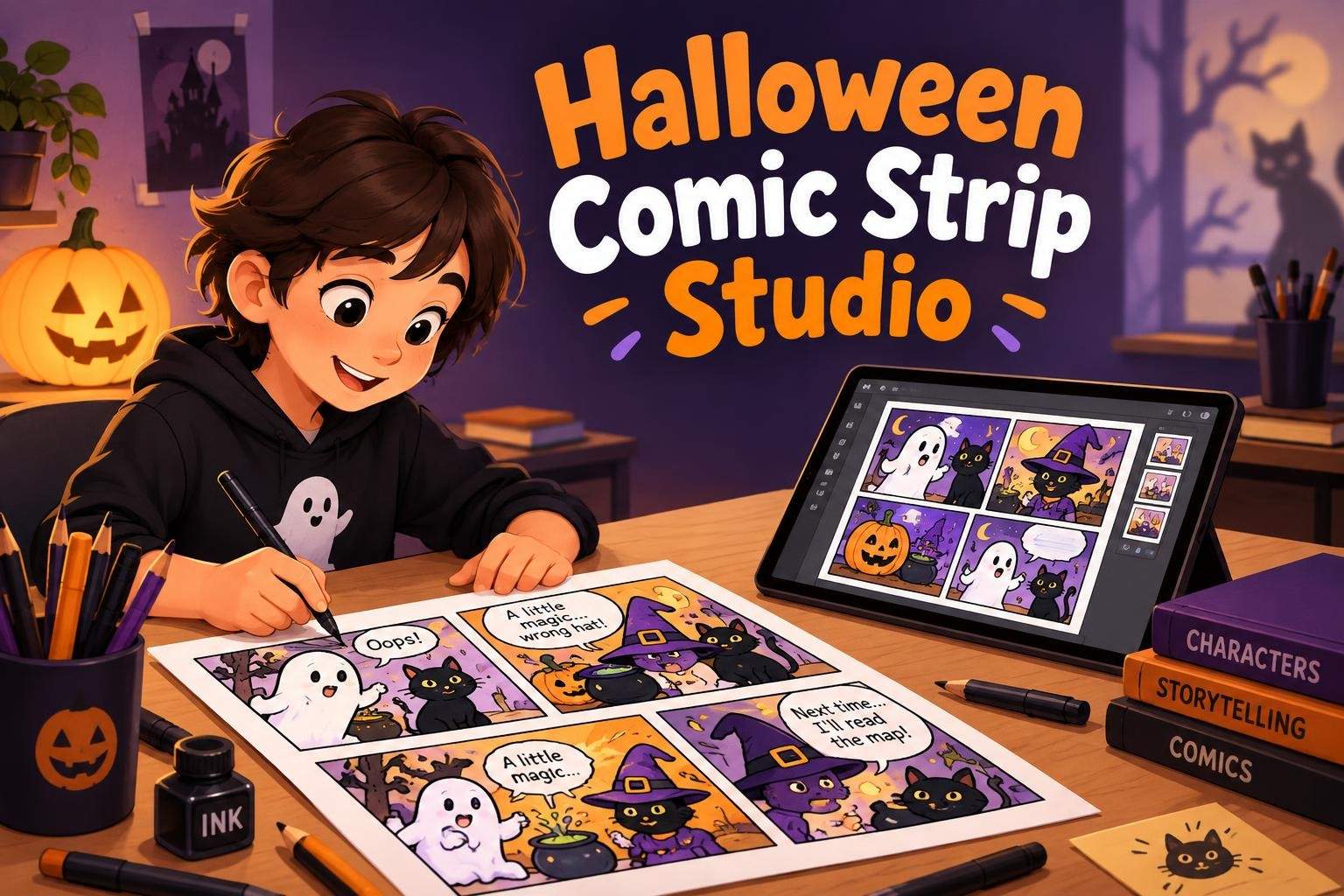
| Stories and comics | Draw a short comic about a Halloween mix-up. | Show a beginning, a surprise, and an ending in three to six panels. |
The “three strange things” challenge
Ask your child to choose three Halloween-related things that do not usually go together—perhaps a pumpkin, roller skates, and a cloud. Their challenge is to turn all three into one picture, character, or mini-scene. They might draw a skating pumpkin under a storm cloud, build it from paper, or write a comic about it. The odd combination is often enough to get an original idea moving.
Choose a medium that fits the child, not the project trend
There is no single right way to make Halloween art. Some children want the immediacy of a marker drawing; others want to layer paint, arrange scraps of paper, or build something they can place on a shelf. A project is more likely to hold their attention when the materials feel familiar or appealing.
For a child who likes drawing, keep it simple: paper, pencils, markers, and perhaps a limited color challenge. For a child who enjoys painting, a still life of pumpkins or an invented night landscape can provide a starting point. For a hands-on maker, cardboard, paper, tape, and other household-friendly art supplies can become a setting, a garland of bats, or a decorated treat bag.
It is easy to take over when a piece bends, smudges, or looks different from the original idea. Before stepping in, try asking, “Do you want help, another material, or a new plan?” Choose tools and supervision that suit your child and the project.
Make the palette part of the idea
Color can be a playful constraint rather than a rule. Invite a child to use a small Halloween-inspired palette—orange, purple, green, black, and white—or to make up a completely different one. Maybe their world is full of pale blue ghosts and red moons. Maybe every monster has one bright pink detail. Limiting choices a little can help a project feel connected while leaving plenty of room for individual style.
Make room for originality, not perfection
Seasonal crafts can come with a hidden expectation: the finished piece should look like the sample. But copying a model exactly is not the only kind of making—and it may not be the most satisfying kind for a child with strong ideas of their own.
Try presenting examples as possibilities, not targets. If you set out a picture of a bat garland, you might say, “This is one way to make bats. What kind would yours be?” A child may decide their bats are striped, sleepy, polka-dotted, or shaped like tiny triangles. That is not a detour from the project. It is the project becoming theirs.
- Ask process questions: “Which part do you want to make next?” or “What should happen in this scene?”
- Notice choices rather than judging the result: “You used those sharp lines around the house” or “That monster has a very clear expression.”
- Let a project change direction if a new idea appears.
- Offer a place to display, photograph, or tell the story of the finished work—if your child wants to share it.
A seasonal project can also reveal what a child wants to explore again. Perhaps they keep returning to faces and expressions, tiny architectural details, mixing colors, cutting shapes, or inventing stories. You do not need to turn that observation into a formal plan. Simply notice it and offer another chance to make in that direction.
When a creative class can be a useful next step
Sometimes the barrier is not a lack of ideas; it is finding a focused moment to begin. A live Halloween-themed art or craft class can offer a prompt, a materials list, and a dedicated time to make. It can also be a welcome option for a child who enjoys creating alongside others while still interpreting the theme in their own way.
When considering a class, look for the fit rather than a promise of one particular finished product. Is the theme aligned with what your child enjoys—drawing characters, painting scenes, crafting decorations, or making something tactile? Does the format leave room for personal choices? Are the materials manageable for your household? A good match gives direction without asking every child’s work to look the same.
What parents can do next
- Listen for one Halloween detail your child keeps mentioning, then name it: “You really like those crooked haunted-house windows.”
- Set out a small, manageable selection of materials that fits how they like to create—drawing tools, paint, paper scraps, or building materials.
- Offer one open prompt, such as “Invent a Halloween world no one has seen before,” and let the medium be their choice.
- Ask about the story behind the work instead of asking whether it is finished.
- Notice what they return to and use that interest as the starting point for the next creative invitation.
Frequently asked questions
What if my child does not like scary Halloween themes?
Start with the version of the season they do enjoy: costumes, animals, harvest colors, candy designs, friendly ghosts, silly monsters, or a cozy autumn scene. Halloween creativity does not need to be spooky.
My child says, “I don’t know what to make.” What should I do?
Make the choice smaller. Offer two starting points tied to their interests, such as “Would you rather invent a costume or draw a creature?” You can also use the three strange things challenge to create an unexpected idea.
Should I show them an example first?
Examples can help with a first step, especially for a new material. Present them as inspiration rather than a standard to match, and invite your child to change colors, shapes, characters, or the whole concept.
Does the project need to be finished in one sitting?
No. Some children will happily make one quick drawing; others may want to return to a cardboard scene or comic over several sessions. A pause can be part of the creative process, not a sign that the project failed.
Find a Halloween creative experience that fits their interests
If your child is ready for a fresh prompt and time set aside to make, explore Halloween-themed learning experiences that build on the characters, colors, stories, and projects they already enjoy.