By Isabella ·
Halloween Classes for Kids: Ideas for Ages 6–12
Find Halloween classes for kids ages 6–12, from art and storytelling to mysteries, games, and science-inspired seasonal activities.
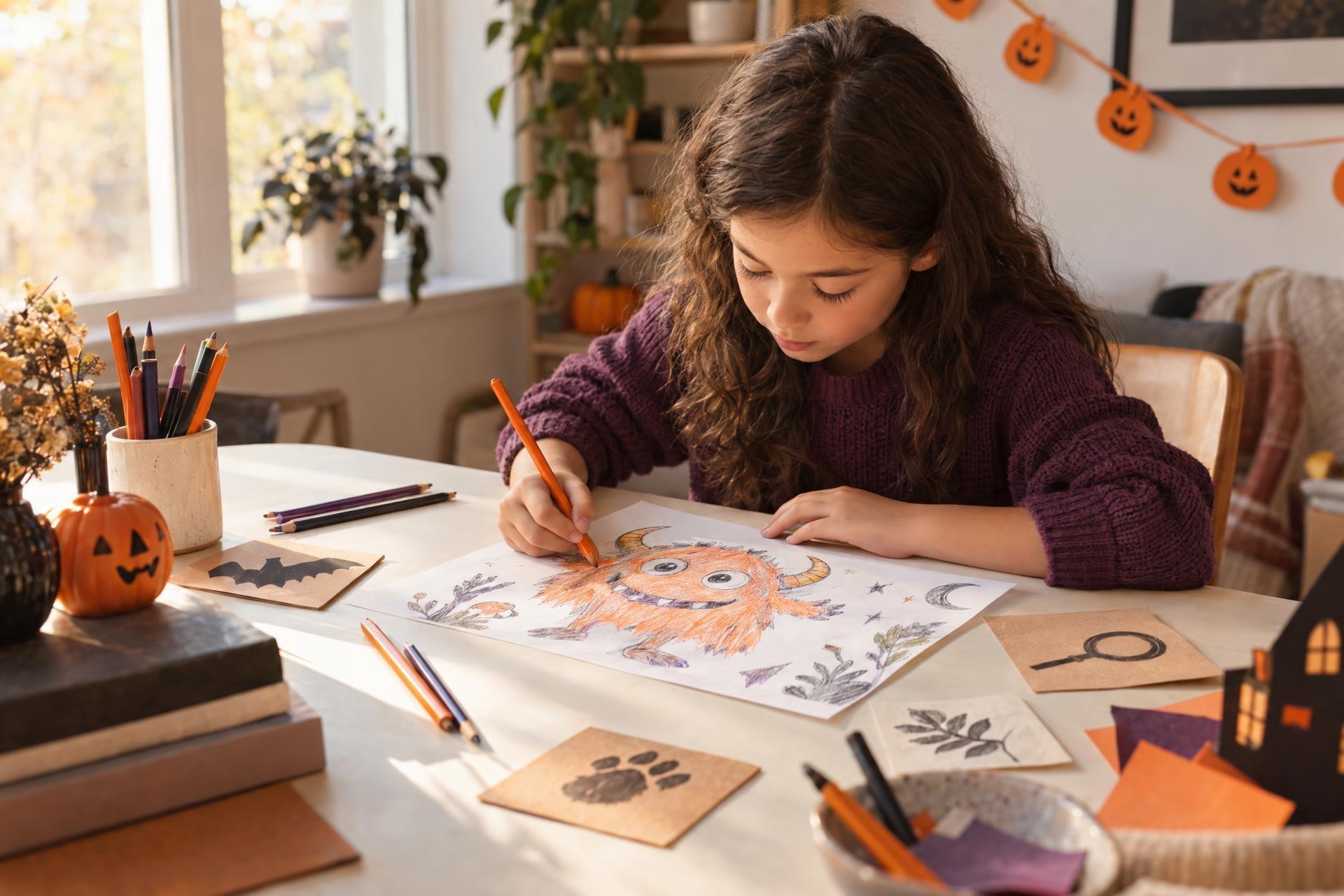
Halloween does not have to be only one night of costumes and candy. For many children, the most exciting part is everything around it: inventing a monster, cracking a clue, telling a spooky-but-silly story, designing a character, or wondering how a mysterious-looking experiment works. A Halloween-themed class can give that interest a place to go—without making the season feel like another academic obligation.
The best Halloween activity is not necessarily the most elaborate one. It is the one that matches the way your child likes to participate. Look for a seasonal class built around an interest they already have—art, stories, puzzles, games, performance, or hands-on discovery—and check that the tone feels comfortably spooky rather than too intense. A live, themed session can offer a fun plan, a little structure, and a chance to make, solve, discuss, or share something with others.
Beyond costumes and candy: a whole season of curiosity
There is nothing wrong with a classic Halloween routine. A neighborhood walk, a favorite costume, pumpkin decorating, and family movie night can be exactly what a child wants. But some kids are eager for more time with the ideas behind the holiday—not just the treats.
That is where Halloween classes and clubs can be a useful addition. Rather than asking children to sit through a lesson about Halloween, a strong seasonal experience gives them something active to do with their excitement. They might draw and name an original creature, follow a trail of clues, build a story scene with a group, take part in a themed game, or investigate a kid-friendly question inspired by the season.
The learning value is often woven into the activity itself. A child planning a character has choices to explain. A group working through a mystery has clues to compare. A young storyteller has an audience and a beginning, middle, and ending to consider. None of that needs to be presented as a test or a requirement for the experience to feel worthwhile.
Seasonal learning works best when Halloween remains the invitation—not the excuse to turn fun into homework.
What kind of Halloween kid do you have?
“Halloween class” can mean many different things. Starting with your child’s preferred way of engaging is more helpful than choosing based on the holiday label alone. A child who avoids scary stories may still love designing a cheerful creature. A child who does not enjoy drawing may be completely absorbed by a mystery challenge.
Likes drawing, building, color, costumes, or inventing characters.
Enjoys clues, riddles, codes, strategy, and figuring out how things connect.
Likes acting, reading aloud, role-play, creative writing, or making up worlds.
Wants to test, observe, ask “why,” and try hands-on ideas.
For the monster-maker: art, costume, and character design
A Halloween art or character-design session can be a natural fit for children who like to make visual choices. Instead of copying one “correct” spooky picture, they may enjoy inventing a creature, choosing its colors and features, or sketching the costume that character would wear.
For example, a child who loves drawing might create a friendly swamp monster, then give it a name, a favorite snack, and a small problem to solve. The drawing is the entry point; the imagined backstory keeps the project moving.
For the mystery-solver: riddles, escape-style challenges, and themed games
Puzzle-oriented Halloween activities can appeal to children who would rather decode a message than decorate a pumpkin. Look for descriptions that mention clues, riddles, logic, collaborative challenges, mysteries, or game play. An 8-year-old who enjoys noticing patterns might have a great time working through a Halloween mystery with peers, especially when the challenge is playful rather than high-stakes.
For the storyteller: spooky-but-age-appropriate imagination
Some children want to be the narrator, detective, ghost, hero, or sidekick. Storytelling, creative writing, and drama activities can offer room to make up characters, perform a short scene, or turn an ordinary Halloween object into the beginning of an adventure.
“Spooky” has a wide range. Read the class description closely and choose a tone your child will enjoy: silly, mysterious, magical, autumnal, mildly creepy, or more suspenseful. A child does not need to like frightening content to enjoy a Halloween story.
For the experimenter: seasonal questions worth investigating
Halloween can also spark science-inspired curiosity. Depending on the class, a child might explore a themed experiment, investigate an everyday phenomenon, or approach familiar holiday imagery through questions and observation. These options can work well for kids who enjoy trying things out with guidance, particularly when the theme gives the activity a playful frame.
Do not assume the holiday theme tells you the emotional tone. Before enrolling, look for details about the activity, materials, level of suspense, and how children participate. The right amount of “spooky” is personal.
What a live Halloween class can add
A craft kit, printable, or Halloween video can be a perfectly good choice for an afternoon at home. A live class offers a different kind of experience: a shared time and a guide who can set up the activity, pose a challenge, invite ideas, and help the group move forward. For children who enjoy interaction, that can make a familiar seasonal interest feel more like an event.
Live does not have to mean pressured. In a well-matched activity, participation might be as simple as showing a drawing, suggesting an answer, reading one line of a story, comparing a clue, or listening while others share. The goal is not to make every child perform; it is to give them an active role that suits the format.
| Halloween interest | Possible class experience | What a child may do |
|---|---|---|
| Art and design | Monster illustration, costume concepts, or seasonal art | Create a character, choose details, and share an idea |
| Puzzles and strategy | Riddles, mysteries, or escape-room-style play | Interpret clues, test answers, and work through a challenge |
| Stories and performance | Creative writing, storytelling, or drama | Invent a scene, build a plot, or perform a small part |
| Games and social play | Themed trivia, role-play, or group games | Make choices, collaborate, and respond in the moment |
| Hands-on discovery | Science-inspired or maker-style seasonal activities | Observe, experiment, build, or explain what they notice |
Not every class will include all of these elements, and not every child wants a highly social format. The useful question is simple: What will my child actually be doing during this session? A clear answer is usually a good sign that you are looking at a specific activity rather than a vague seasonal promise.
How to choose a Halloween class your child will want to join
For ages 6–12, fit matters more than trying to find the most “educational” option. Children in this broad age range vary widely in what feels comfortable, amusing, or challenging. A great choice meets a child close to their current interests and gives them a manageable invitation to participate.
Start with the child’s interest, not the category
Instead of asking, “Should we do a Halloween art class or a Halloween science class?” try: “What part of Halloween do you like best?” Their answer may point you toward creatures, costumes, mysteries, jokes, stories, games, or a favorite seasonal object. That answer is a better filter than an adult’s assumption about what Halloween activities should look like.
Check the activity level and format
Some children are happiest with a project they can complete independently while following along. Others want rapid back-and-forth with a group. Look for whether the description suggests making, writing, solving, discussion, performance, or games—and whether children may need common household materials.
Choose a comfortable level of spooky
Age guidance is useful, but it cannot tell you whether your child enjoys suspense, monsters, or surprises. Preview the premise and language. If your child is sensitive to eerie themes, a cute creature-design, fall art, or lighthearted mystery class may be a better match than a haunted setting.
Keep the commitment proportional to the season
Halloween is busy. A one-time session or short project can be an easy way to try a new interest without rearranging the whole month. A child who finds a genuine new hobby can always continue exploring after the decorations come down.
- Can you describe the activity in one sentence—what your child will make, solve, play, or share?
- Does the theme match your child’s comfort level, not just their age?
- Does the format suit them: project-based, discussion-based, game-based, or a blend?
- Are any materials or preparation clearly explained?
- Would your child recognize something they already enjoy in the description?
Let the class complement—not replace—Halloween traditions
A seasonal class does not need to compete with neighborhood traditions, free play, or quiet family rituals. Think of it as one possible thread in a child’s Halloween season. One child might attend a themed game session and still spend Saturday decorating cookies; another might make a character in class and use it as the inspiration for a homemade costume or a story at home.
The two-question Halloween interview
Ask your child: “What is the most interesting part of Halloween to you?” Then ask, “Would you rather make something, solve something, tell a story, play a game, or try an experiment?” Keep the choices open. Their response can help you select an activity together—and gives them a little ownership before the class even begins.
Choose one seasonal experience as an invitation, not a packed schedule. Leave room for the unplanned parts of the season: costume debates, made-up games, decorations, and the traditions your family already enjoys.
What parents can do next
- Ask your child which Halloween idea they would most like to explore: art, a mystery, a story, a game, or an experiment.
- Choose a class description with a clear activity and a tone that feels right for your child.
- Check the time, format, and any materials so the experience can feel relaxed rather than rushed.
- Afterward, ask one specific question: “What did you make, figure out, or like best?” Let that answer guide the next hobby or seasonal activity you try together.
Frequently asked questions
Are Halloween classes only for kids who like art?
No. Seasonal options can center on art, but they can also involve stories, mysteries, games, performance, hands-on projects, or science-inspired questions. The best starting point is the child’s interest.
What if my child likes Halloween but does not like scary things?
Look for descriptions that signal a playful, silly, friendly, or autumnal tone. Character design, lighthearted riddles, and imaginative storytelling can offer Halloween flavor without intense content.
How do I know whether an online live class will work for my child?
Focus on what participation looks like. A child who enjoys showing a project, answering a clue, talking through ideas, or playing a structured game may enjoy a live format. For a more reserved child, a clear project with optional sharing can be a comfortable entry point.
Can siblings choose different Halloween activities?
Absolutely. One child may be drawn to creative character design while another prefers a mystery or game. Letting each child follow their own interest can make the experience feel more personal than asking everyone to do the same traditional activity.
Find a Halloween activity built around their interests
Explore live Halloween-themed learning experiences across art, stories, games, puzzles, and other Clubs & Hobbies interests, then choose the kind of seasonal fun that fits your child.