Wellbeing & friendshipsAges 5–124 min read
By Emma ·
Mindfulness Activities for Kids That Take 5 Minutes
Short mindfulness games for before school, homework and bedtime that help kids notice, pause and settle.
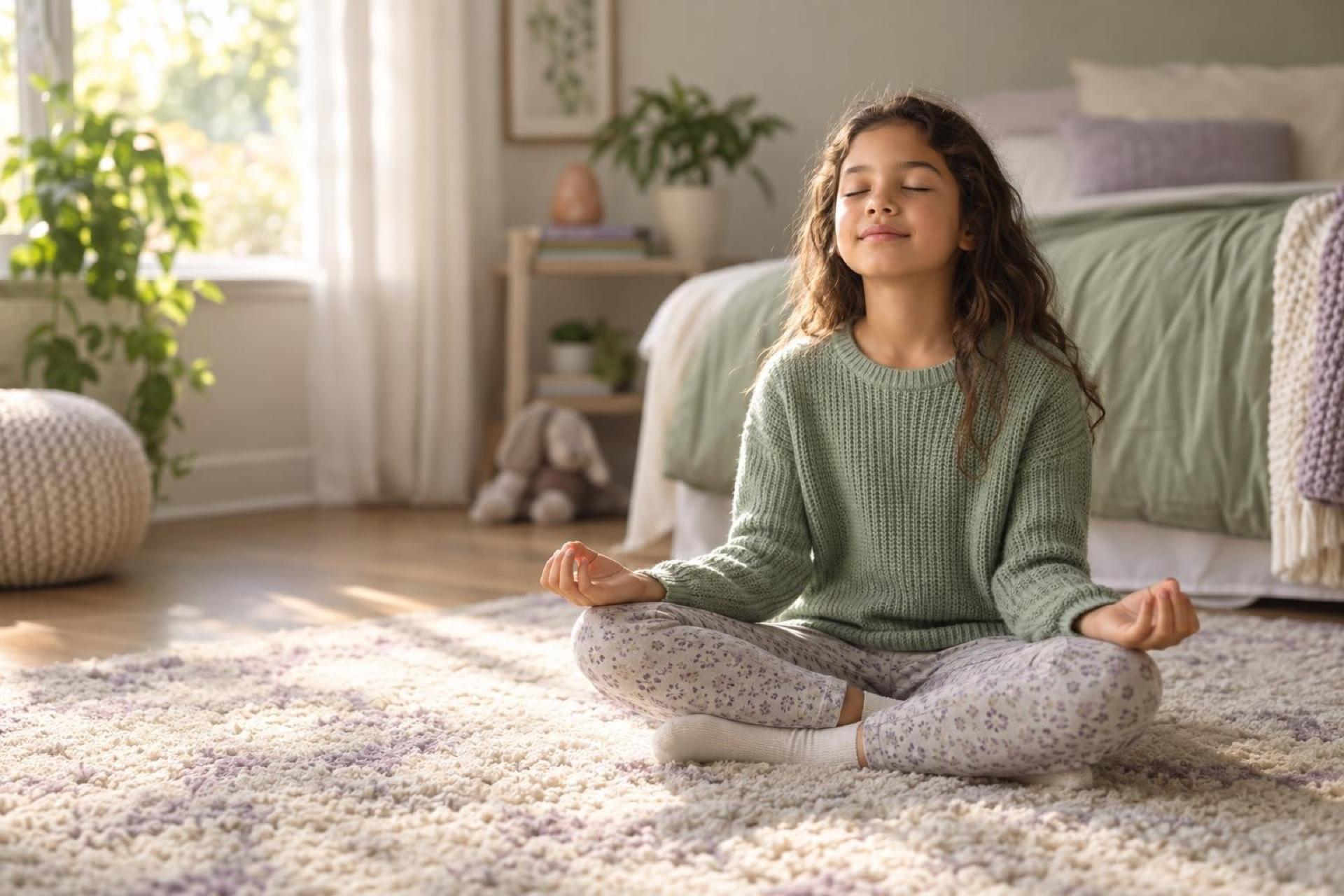
Mindfulness for children does not mean sitting still for half an hour. It means noticing what is happening right now, for a minute or two, in a way that feels like a game. Five minutes is plenty.
Choose one short activity and attach it to a moment that already exists: before school, before homework or at bedtime. Keep it playful and do it with your child.
What mindfulness means for kids
Mindfulness is paying attention on purpose to what you can see, hear, feel or taste at this moment. For children, that is best taught through the senses and the body, not through explanation.
Short, regular practice can help children notice their feelings earlier and settle more easily. It is a skill, so it builds slowly, and it works best when practised in calm moments, not introduced for the first time in the middle of a meltdown.
Before school: wake up the senses
Five senses countdown
Name five things you can see, four you can hear, three you can touch, two you can smell and one you can taste. It takes about two minutes and works well on the walk or drive to school.
Mindful bite
At breakfast, take one bite very slowly. What does it look like? Smell like? What happens to the taste as you chew? Children usually find this funny, which is fine.
 A live class on thisCharacter Strengths and Resilience: Identify Your StrengthsAges 6–18
Before homework: settle and focus
Listening minute
Set a timer for one minute. Sit quietly with eyes closed and count how many different sounds you can hear. Compare lists afterwards.
Shake and settle
Shake a jar of water and glitter, or a snow globe, and watch until everything sinks. Explain that a busy mind settles the same way when given a moment.
Stretch like an animal
Reach up tall like a giraffe, curl small like a hedgehog, stretch long like a cat. Move slowly and notice which muscles are working.
At bedtime: wind down
Body scan
Lying in bed, your child squeezes their toes tight, then lets go. Move up through legs, tummy, hands, shoulders and face, squeezing and relaxing each in turn.
Three good things
Each of you names three small things that went well today. They can be tiny: a good sandwich, a joke, a goal at break time.
For breathing exercises to add to the routine, see calming breathing exercises for kids, and for the rest of the evening, our guide to a healthy sleep routine.
Making it stick
| Do | Avoid |
|---|---|
| Keep it to one to five minutes | Long sessions that feel like a chore |
| Join in yourself | Sending your child off to do it alone |
| Use the same time each day | Only using it when your child is upset |
| Let your child pick the activity | Insisting on stillness or closed eyes |
Wriggling, giggling and wandering attention are all normal. Gently bring the focus back and carry on. Noticing that the mind has wandered is part of the skill.
Mindfulness is a helpful habit, not a treatment. If your child is often very worried, sad or unable to sleep, talk to your pediatrician. Our guide on helping an anxious child explains the signs.
What parents can do next
- Pick one activity from this list with your child.
- Choose the moment in the day it will belong to.
- Try it daily for one week, then ask what they noticed.
- Swap in a new activity when the first one gets stale.
Frequently asked questions
What age can children start mindfulness?
Simple sensory games work from about 4 or 5. Longer or quieter exercises, such as a body scan, tend to suit children from 7 or 8.
My child can't sit still. Can they still do it?
Yes. Choose moving activities, such as the animal stretches or a slow, noticing walk. Stillness is not required.
How often should we practise?
A few minutes most days works better than a long session once a week.
Do we need an app?
No. These activities need nothing but a few minutes. If you use an app, try it together first and check it suits your child's age.
Practise calm with a teacher
Live classes on emotions and mindfulness teach children calming skills in a small, friendly group.