



Science & nature

Hands-on science and nature ideas, from backyard stargazing to kitchen experiments.

9guides

36live classes

9new

Live classes

Small-group classes that go with these guides.

Aerospace Engineering: Gliders, Rockets & Flight Basics
SP

Shivam P.

4.8(10)

Aerospace Engineering: Gliders, Rockets & Flight Basics

Explore aerodynamics, propulsion, stability and materials through hands-on projects like gliders and small rockets, supported by interactive lessons, quizzes an…

Beginner

Level

9–14

Ages

55 min

Duration

1 / Week

Classes

6

Weeks

$19.00per class
See schedule
Astrobiology: The Search for Life Beyond Earth
VM

Vidya M.

4.6(22)

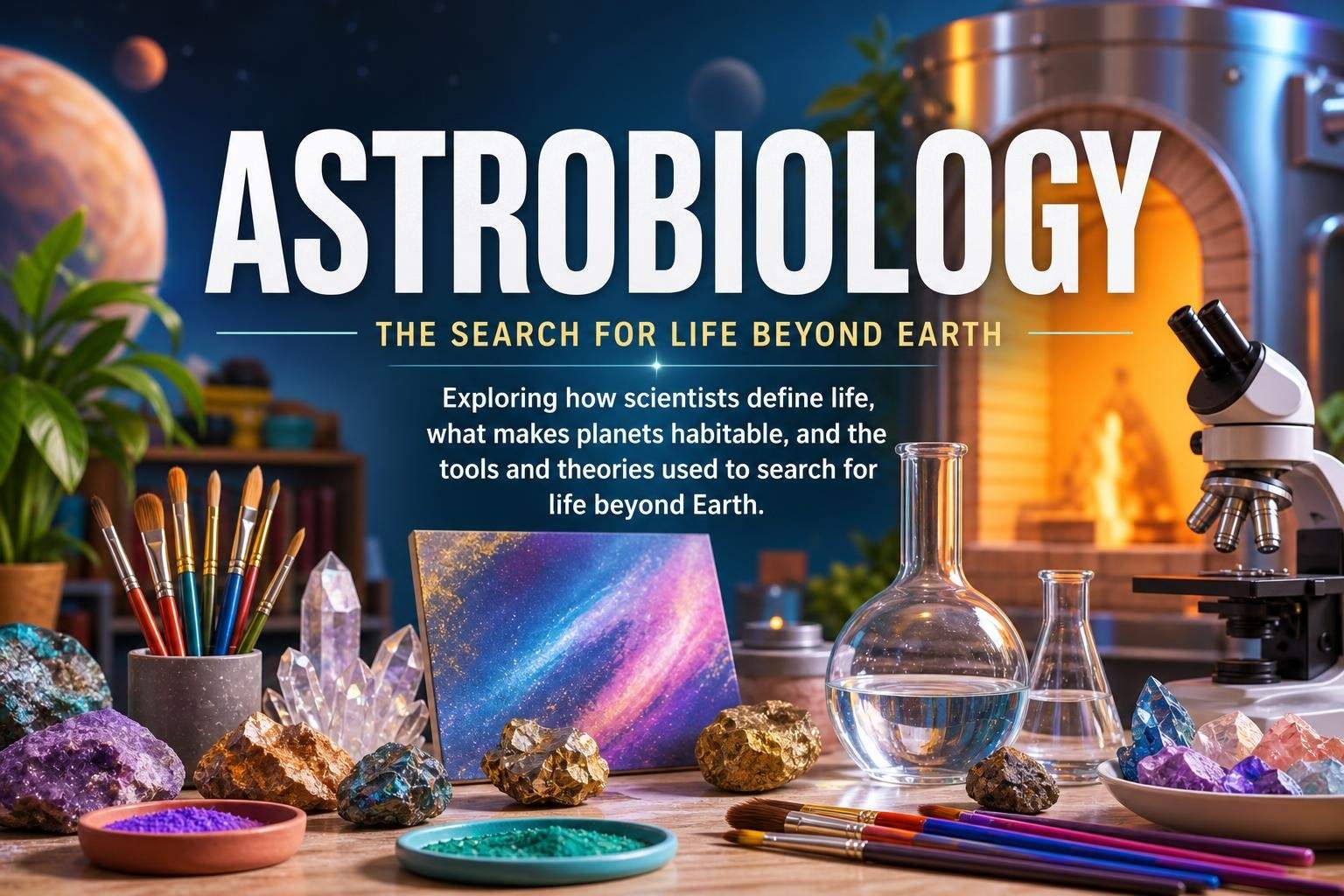
Astrobiology: The Search for Life Beyond Earth

A science-based course that examines definitions of life, Earth’s habitability factors, and methods scientists use to look for life—telescopes, robotic missions…

Beginner

Level

11–16

Ages

55 min

Duration

1 / Week

Classes

6

Weeks

$18.50per class
See schedule
Astronomy Club (Ages 5-7): Explore Planets, the Moon, and Stars
Club
MS

Mitali S.

4.6(14)

Astronomy Club (Ages 5-7): Explore Planets, the Moon, and Stars

This play-based Astronomy Club is designed for curious 5-7 year olds (Grade 2) who want a joyful, age-appropriate introduction to space. Each class blends short…

Beginner

Level

5–7

Ages

45 min

Duration

1 / Week

Classes

Ongoing

Weeks

$15.50per class
See schedule
Astronomy I: Solar System and History of Spaceflight
JD

Jharna D.

4.5(54)

Astronomy I: Solar System and History of Spaceflight

This introductory astronomy course begins with the Solar System—planets, planetoids and satellites—then covers eclipses, orbital laws, satellites and space stat…

Beginner

Level

13–18

Ages

60 min

Duration

1 / Week

Classes

5

Weeks

$22.50per class
See schedule

Questions about Science & nature

Preschoolers can enjoy simple color and fizz activities with an adult doing most of the pouring. School-age kids can follow written steps and record results. Always check the age label on any kit.Read the guide: Safe Chemistry Experiments for Kids at Home

Yes. Fizzing reactions can splash, and vinegar or lemon juice in the eye is painful. Goggles also help kids treat the activity as real science.Read the guide: Safe Chemistry Experiments for Kids at Home

With one or two AA batteries, touching the wires won't shock your child. The main risks are hot wires from a short circuit and swallowed small batteries. The guide has a short safety checklist.Read the guide: How to Build a Simple Circuit with Your Child

Yes. Pigeons, street trees, weeds in sidewalk cracks, clouds and insects all make great subjects. A windowsill plant counts too.Read the guide: How to Start a Nature Journal with Your Child

Yes. City lights hide faint stars, but the Moon, bright planets and the space station are still easy to see. Darker spots outside town reveal much more.Read the guide: Stargazing with Kids: A Beginner's Guide

Yes. The cams in this guide are free to watch in a web browser. Some organizations ask for optional donations to support animal care.Read the guide: Best Live Animal Cams for Kids

Ready for a live class?

Small-group live classes with real teachers, matched to your child's age.

See classes