ADHD & learning differencesAges 5–127 min read
By Lily Monroe ·
What Is Orton-Gillingham, and Does Online Tutoring Work?
What Orton-Gillingham is, what research says, whether OG tutoring works over video, and the questions to ask before you hire a dyslexia tutor.
Orton-Gillingham (OG) is a structured, step-by-step way of teaching reading and spelling that is widely used with children who have dyslexia. It can work well online when the tutor is properly trained, sessions are frequent, and your child can stay engaged on a video call.
OG teaches letter-sound connections explicitly, in a set order, with lots of review. Research has not shown it beats other well-designed phonics programs, but explicit, systematic, one-to-one or small-group reading help clearly works. A Dutch study found online dyslexia treatment worked about as well as in-person. Focus on the tutor's training, how often sessions happen and how progress is tracked.
What Orton-Gillingham is, in plain terms
OG was developed in the early 20th century by neuropsychiatrist Samuel Orton and educator Anna Gillingham. It is a teaching approach, and many programs are built on its ideas, including the Barton Reading Program and the Wilson Reading System, as Understood explains.
An OG lesson has a few signature features:
- Explicit: the tutor teaches each letter-sound pattern directly, so nothing is left to guessing.
- Sequential: skills come in a planned order, from simple sounds to syllable types and longer words.
- Cumulative: each lesson reviews what came before, and the tutor reteaches anything shaky before moving on.
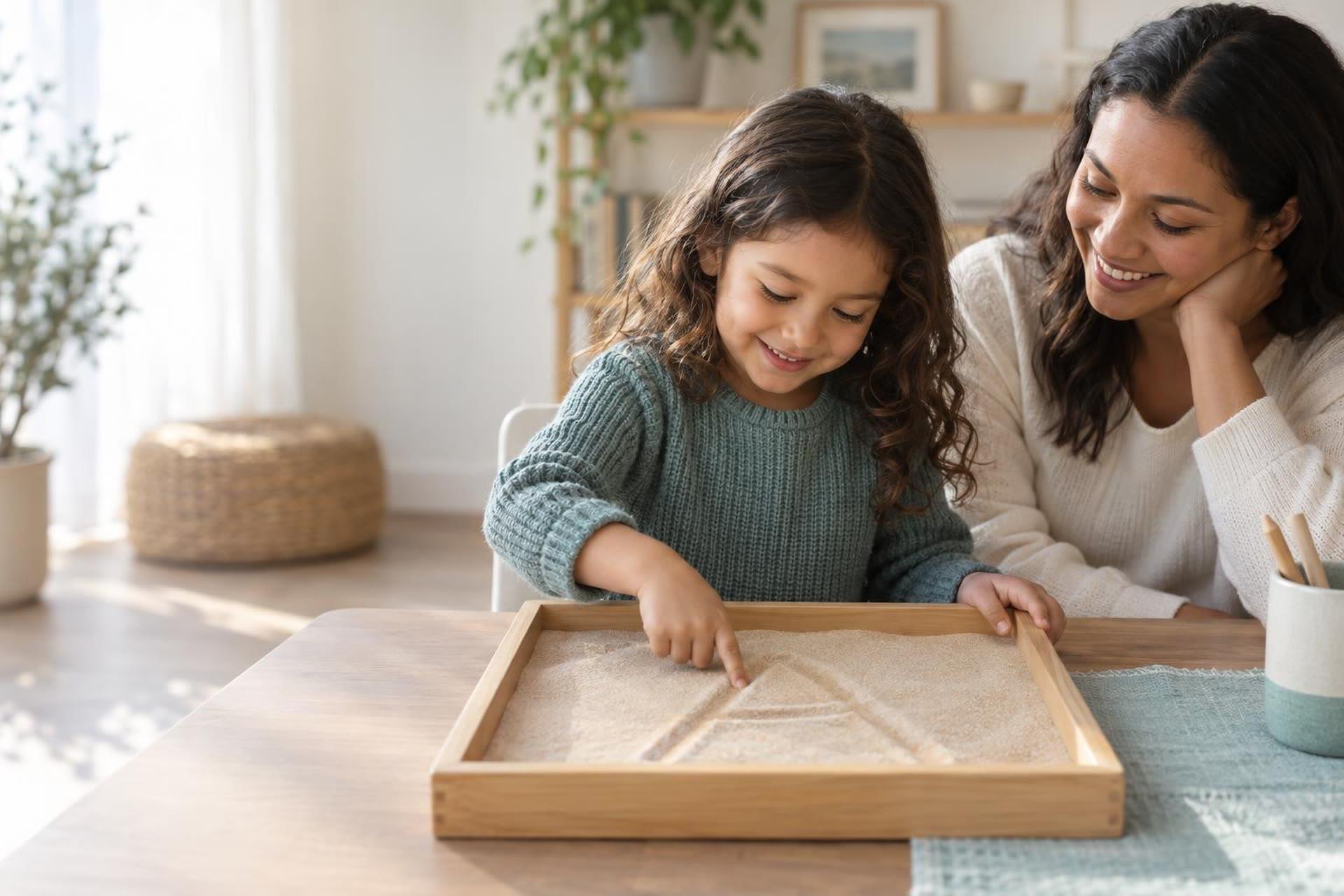
- Multisensory: your child sees, says, hears and writes each sound. Tracing a letter in sand or shaving cream while saying its sound is a classic example.
- Diagnostic: the tutor watches errors closely and adjusts the next lesson.
The International Dyslexia Association groups this style of teaching under the term Structured Literacy, which covers phonology, sound-symbol links, syllables, morphology, syntax and meaning. If you are still figuring out whether your child has dyslexia, our guide to the signs of dyslexia parents notice first is a good place to start.
What the research says about OG
This is where parents often get mixed messages. OG is deeply rooted in school practice and in many state dyslexia laws, yet the research behind it is thinner than its reputation.
A 2021 meta-analysis in Exceptional Children by Stevens and colleagues looked at OG studies with students who have word-reading difficulties. The effects leaned positive for foundational skills, but they were not statistically significant, and the authors called for larger, more rigorous studies. Reading Rockets summarizes the paper here.
The Hechinger Report covered that study alongside a 2022 review of 53 reading interventions. Most of those interventions did help struggling readers. What they had in common was direct, explicit, step-by-step teaching of phonics and word patterns, delivered one-to-one or in small groups. Programs marketed as "multisensory" did not show extra benefit over those that were not.
OG is a reasonable choice because it contains the ingredients that work: explicit phonics, a clear sequence and lots of practice. Other structured programs are good choices too. A well-trained tutor using any structured, systematic program, with enough sessions each week, is what matters most.
 A live class on thisAnimal Explorers: Research, Create & PresentAges 8–13
Does OG tutoring work over video?
The evidence on online delivery is still young, and it is encouraging. A 2024 study in Annals of Dyslexia by Verwimp and colleagues compared 162 Dutch children who received dyslexia treatment by video call during COVID lockdowns with 254 who were treated in person. After accounting for the number of sessions and starting scores, the online group made similar gains in reading and spelling. The authors note it was not a randomized trial, so more research is needed.
How the multisensory parts translate online
- Sand or salt trays at home: your child traces letters on their side of the screen while the tutor watches.
- Letter tiles and cards: physical tiles work fine; many tutors also use shared digital tiles your child can drag.
- Whiteboards: a small dry-erase board held up to the camera makes spelling practice quick to check.
- Tapping and air-writing: finger-tapping sounds and writing letters in the air need no supplies at all.
Online sessions also remove the drive, which makes three or four short sessions a week far easier to keep up. Frequency matters, so that convenience is a real benefit.
Questions to ask before you hire an OG tutor
"OG-trained" can mean anything from a weekend workshop to a long supervised practicum. The Academy of Orton-Gillingham Practitioners and Educators, for example, certifies people only after training with an Academy Fellow and supervised practice, according to its history and certification summary. The IDA also lists accrediting bodies such as IDA, IMSLEC, ALTA and AOGPE. Ask:
- What training did you complete, and was there a supervised practicum? Ask how many supervised hours and with which organization.
- How will you assess my child first? A good tutor starts with a baseline of phonological awareness, decoding and spelling.
- How often should we meet? Expect a recommendation of more than one session a week for a child who is well behind.
- How will you show progress? Ask for regular check-ins with simple measures such as words read correctly or spelling accuracy.
- What do you need from me at home? Short practice between sessions helps; ask what it looks like.
- How do you keep a young child engaged online? Ask what a typical 30- or 45-minute session includes.
Comparing your options
Most families combine more than one of these. The right mix depends on your child's age, how far behind they are and what your school offers.
| Option | How it works | Often fits families who |
|---|---|---|
| School support (IEP or intervention) | Reading help during the school day, sometimes OG-based | Want support at no direct cost and can push for the right intensity |
| In-person OG tutor | One-to-one sessions at a center or home | Have a trained tutor nearby and a child who struggles on video |
| Online OG tutor | One-to-one sessions over video with home materials | Need flexible scheduling, live far from specialists or want more sessions a week |
| Small-group online reading class | A few children working through a structured phonics sequence with a teacher | Have a child who is mildly behind or needs extra practice alongside tutoring |
Marketplaces like Undoschool list live reading classes and 1-on-1 tutoring from independent teachers, so you can check a teacher's training and try a session before you commit.
What to watch for
- Promised quick fixes: real gains in reading take months of steady work. Be wary of guarantees.
- No baseline, no data: if a tutor cannot show you where your child started and how they are moving, ask why.
- Too few sessions: one short session a week may not be enough for a child who is far behind.
- Screen fatigue: if your child is drained or tearful after video sessions, try shorter lessons or in-person help.
- Emotional strain: if reading struggles are affecting your child's mood, sleep or confidence, talk to your pediatrician or school psychologist about an evaluation and support.
Frequently asked questions
What age is best to start Orton-Gillingham tutoring?
There is no single best age. Many children start once reading difficulties show up in kindergarten through second grade, and older children and teens also benefit. Earlier help usually means less ground to make up.
Does my child need a dyslexia diagnosis first?
No. OG-style teaching helps many struggling readers. A formal evaluation is still useful because it can unlock school services and help a tutor plan.
How long does OG tutoring take to work?
It varies with your child's starting point and how often they meet. Expect small, steady gains over several months. Ask your tutor to share progress checks so you can see the trend.
Is online OG tutoring good for a 6-year-old?
It can be, with short sessions, plenty of hands-on materials and a parent nearby to help with setup. If your child cannot stay focused on video, in-person tutoring may be a better start.
Find reading support that fits your child
Browse live classes and 1-on-1 tutoring for kids who learn differently, and try a first session to see if the teacher is the right fit.