Reading & writingAges 3–56 min read
By Olivia Price ·
Do Online Classes Work for Children Under 6?
When online classes work for kids under 6: what WHO and AAP screen-time guidance says, why live video differs from shows, and what good classes look like.
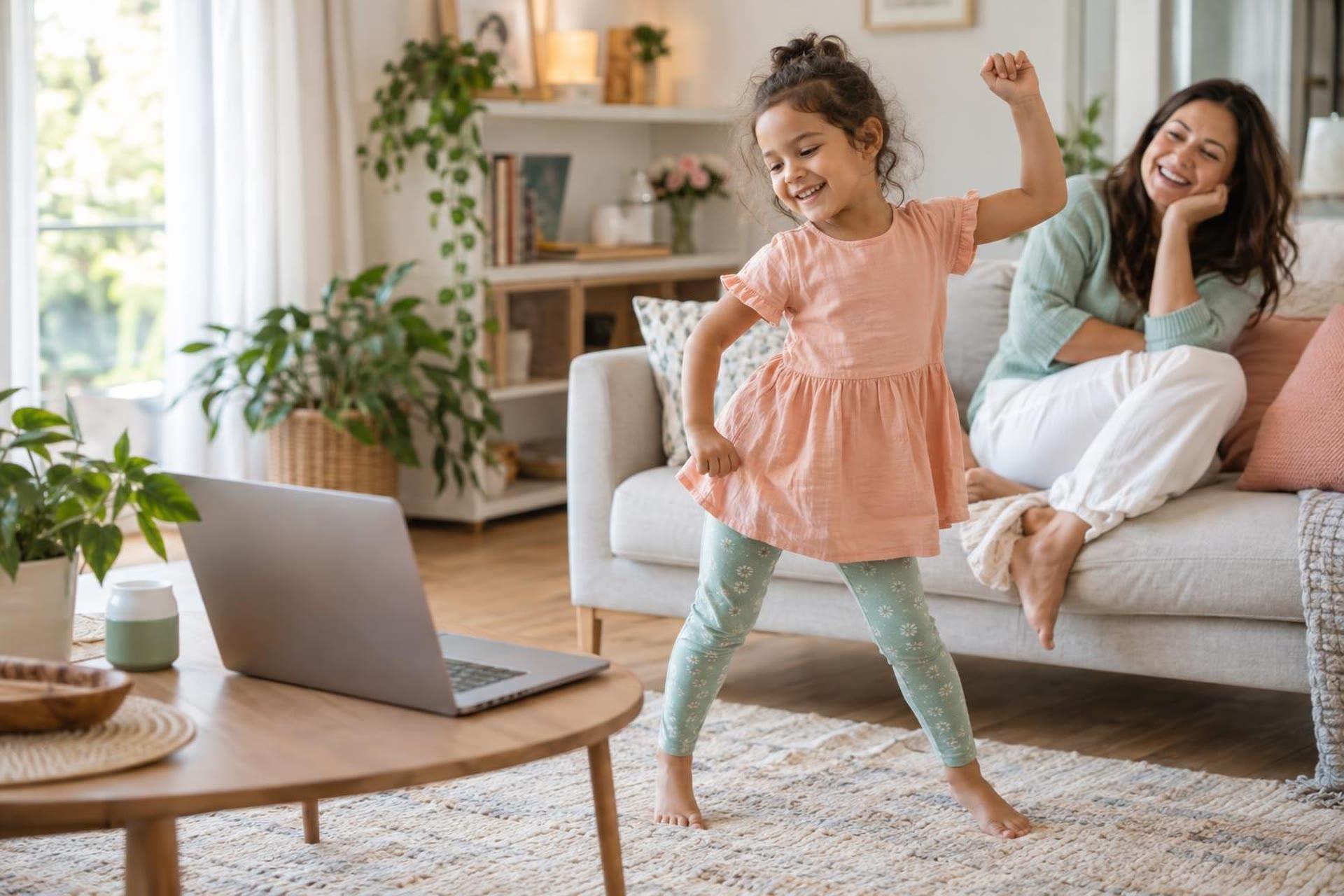
Online classes can work for children under 6 when they are short, live, active and shared with a grown-up nearby. Live video, where a teacher responds to your child in real time, is very different from watching a show, and research suggests that back-and-forth is what helps young children learn.
For ages 3 to 5, look for live classes of about 20 to 30 minutes with small groups, lots of movement and a teacher who calls children by name. Count them within the World Health Organization's advice of no more than an hour of sedentary screen time a day for 2- to 4-year-olds, and sit with your child, especially at first.
What screen-time guidelines say for young children
Two sets of guidance shape most parents' thinking:
- World Health Organization: its guidelines for children under 5 say screen time is not recommended for babies or 1-year-olds, and that sedentary screen time for 2- to 4-year-olds should be no more than 1 hour a day, with "less is better." When children are sitting still, reading and storytelling with a caregiver are encouraged.
- American Academy of Pediatrics: its 2016 recommendations advised avoiding screen media other than video chatting before 18 months, and limiting children aged 2 to 5 to about 1 hour a day of high-quality programs, watched together with a parent.
In January 2026, the AAP released new media recommendations that focus on child-centered design, a family media plan and screen-free times such as meals and car rides. The message for parents of young children stays consistent: keep screen time small, choose high-quality content and join in.
Why live video is different from watching a show
A cartoon plays on no matter what your child does. A live teacher sees your child wave, hears their answer and responds. That responsiveness seems to matter for learning.
In a study published in Child Development, Roseberry, Hirsh-Pasek and Golinkoff taught new verbs to toddlers aged 24 to 30 months. Children learned the words from a live person and from a real-time video chat, but not from a prerecorded video of the same lesson. The researchers concluded that the socially responsive interaction drove the learning.
This is one small study with toddlers, so it cannot speak for every online class. It does help explain why a live, interactive class can feel so different from passive screen time.
 A live class on this1st Grade Full Curriculum — Part 2Ages 5–7
What a good class for under-6s looks like
- Short sessions: about 20 to 30 minutes for preschoolers, matched to attention spans.
- Small groups: few enough children that each one gets a turn to talk or show something.
- Movement built in: songs with actions, dance breaks, scavenger hunts around the house.
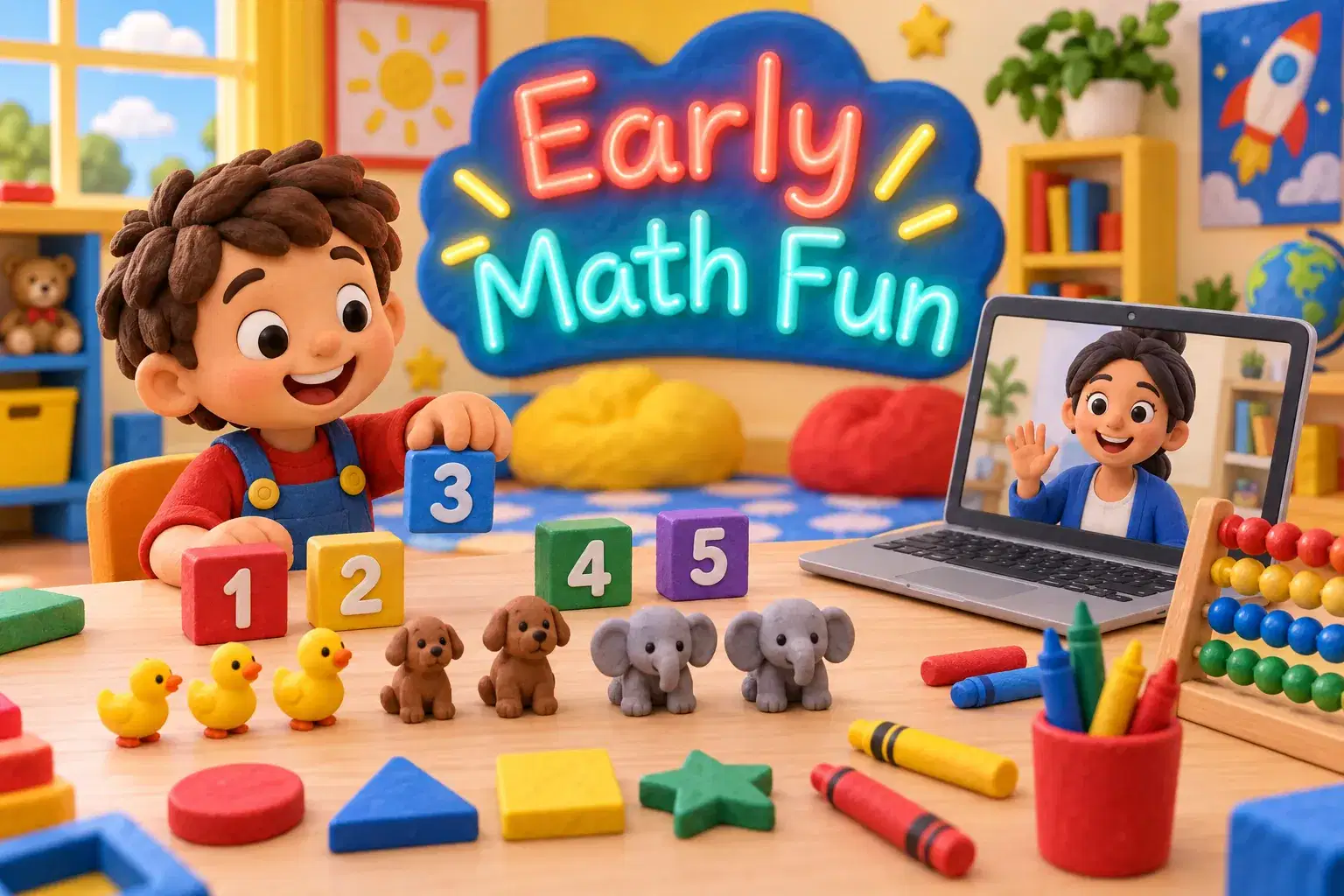
- Hands-on materials: playdough, crayons, blocks or a stuffed animal that joins the story.
- A warm, responsive teacher: uses names, celebrates small wins and gently redirects.
- Simple routines: the same hello song and goodbye wave each week help kids feel secure.
- Little or no clicking: your child should not need to manage the computer themselves.
Questions to ask before you enroll
- How many children are in each class, and how often does each child get a turn?
- What supplies will we need, and can we use things we already have at home?
- How much of the class is movement or making, and how much is listening?
- What happens if my child is shy or wanders off camera for a minute?
- Should a parent stay in the room, and what is my role?
A teacher who answers these clearly and warmly is usually a teacher who has thought hard about how young children learn.
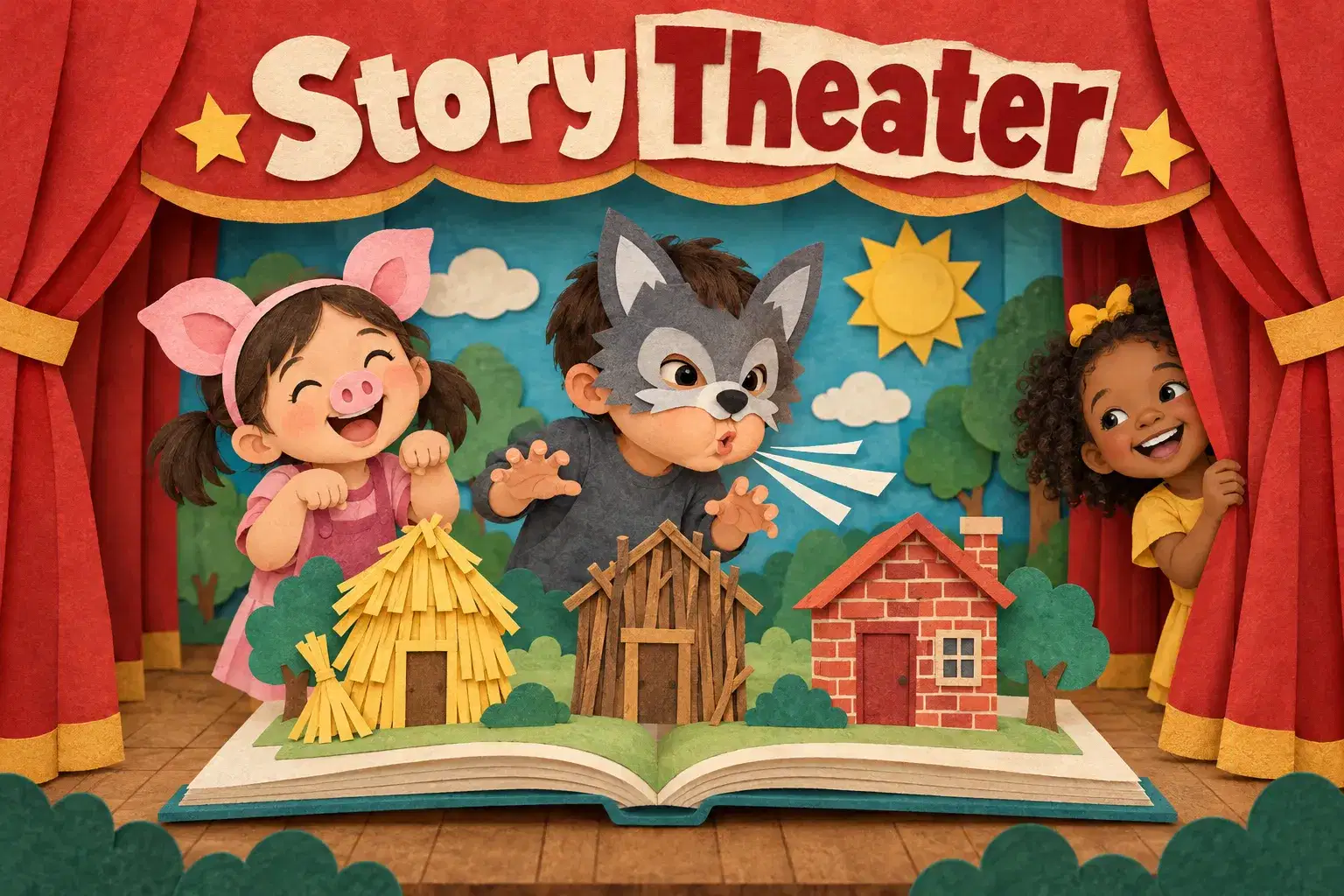
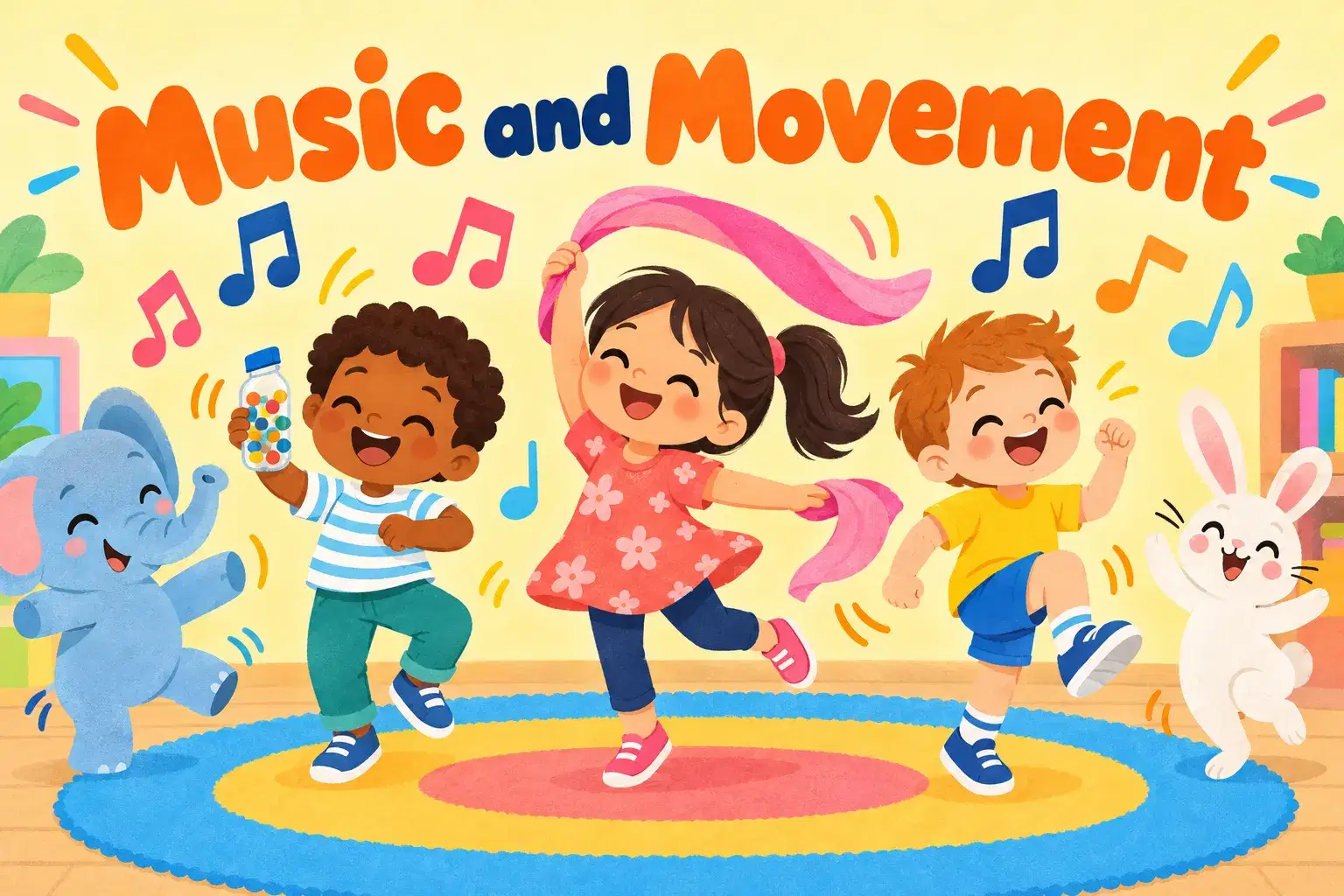
Music and movement, story time with puppets, early phonics games, art and crafts, simple science "what happens if" experiments, and show-and-tell clubs that meet with the same small group each week.
Your role during the class
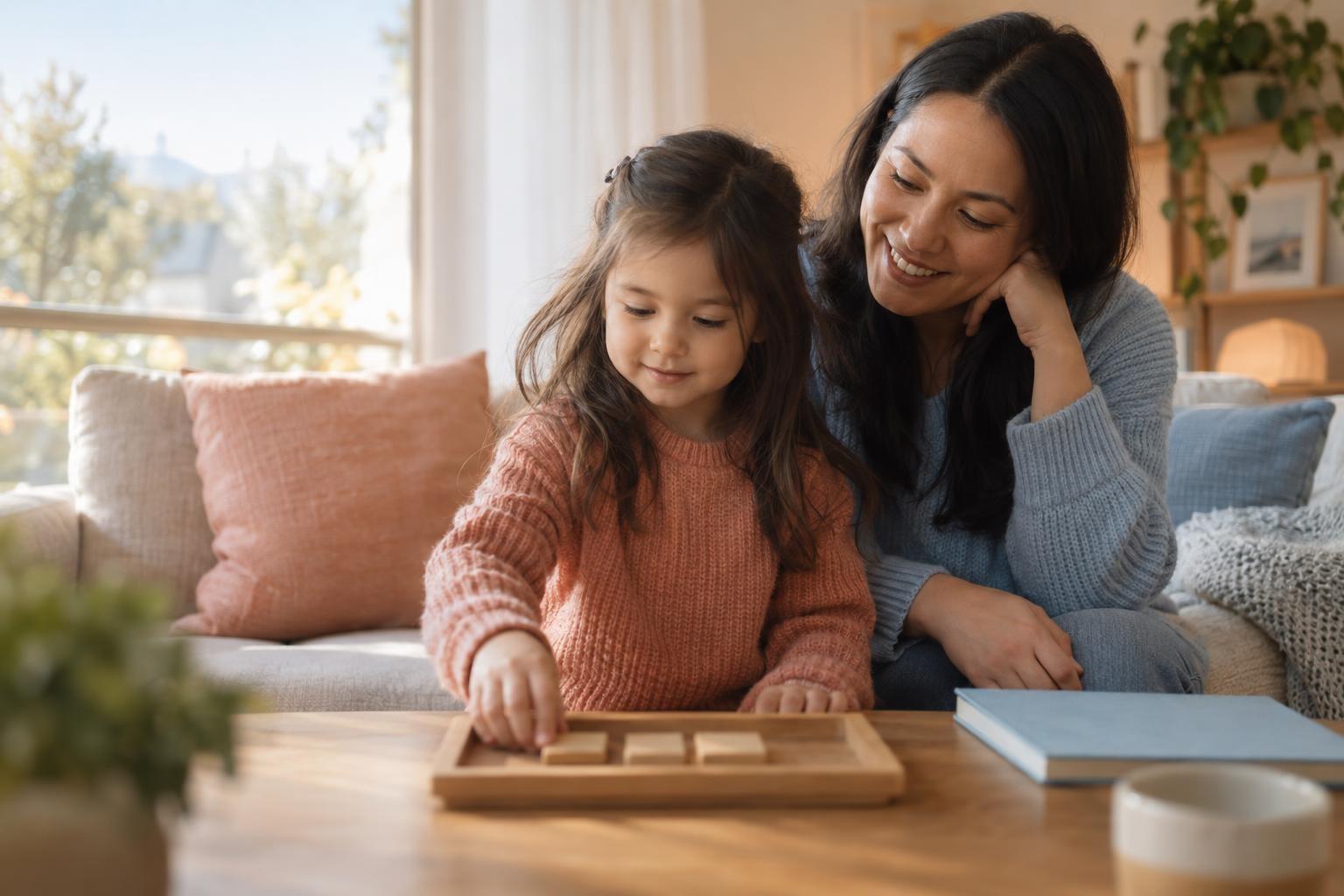
For children under 6, the parent is part of the class. You are the bridge between the screen and the room.
- Set up before class. Charge the device, test sound, lay out supplies and clear a space to move.
- Stay close, especially at first. Help with mute buttons and supplies, then step back as your child gains confidence.
- Join the fun. Sing along or copy the dance moves. Young kids engage more when you do.
- Talk about it after. Ask what they made, sang or learned. That conversation helps the learning stick.
- Balance the day. Follow a class with outdoor play, a book together or hands-on time away from screens.
For a full setup list, see our first online class checklist.
How to start without overdoing it
Begin with one short class a week in something your child already loves. Watch how they respond over three or four sessions. Some children light up right away; others need a few weeks to warm up to a new teacher.
On Undoschool, live classes run on Zoom with vetted, independent teachers, every class is recorded for safety, and parents set up and manage learner accounts. You can start with a trial session or a one-time class before committing to a weekly club.
What to watch for
- Frustration or tears: your child may need a shorter class, a smaller group or more time to grow.
- Mostly sitting and watching: if the class is largely a teacher talking, look for something more active.
- Screen time creeping up: count classes within your daily total and swap out other screen use.
- Sleep or mood changes: avoid classes right before bed. If you have concerns about your child's development, attention or behavior, talk to your pediatrician.
Frequently asked questions
What age can a child start online classes?
Many children are ready around age 3 to 4, once they can follow simple directions and enjoy group songs or stories. Every child is different, so start small and watch their response.
How long should an online class be for a preschooler?
About 20 to 30 minutes works well for most preschoolers. Longer classes should include plenty of movement and breaks.
Do online classes count as screen time?
Yes, they count toward total screen time. Live, interactive classes where your child talks, moves and makes things are a different kind of screen use from passive videos, and many parents weigh them differently.
Do I need to sit with my child during class?
For children under 6, staying nearby is a good idea, especially for the first few classes. You can step back as your child gets comfortable with the routine.
Find playful live classes for little learners
Browse short, interactive classes in music, stories, art and early skills designed for young children and their grown-ups.