By Mackenzie Anderson ·
How to Teach Phonics at Home: A Simple Daily Routine
Teach phonics at home in ten minutes a day: letter sounds first, then blending words like c-a-t, decodable books, fun games and signs to watch for.
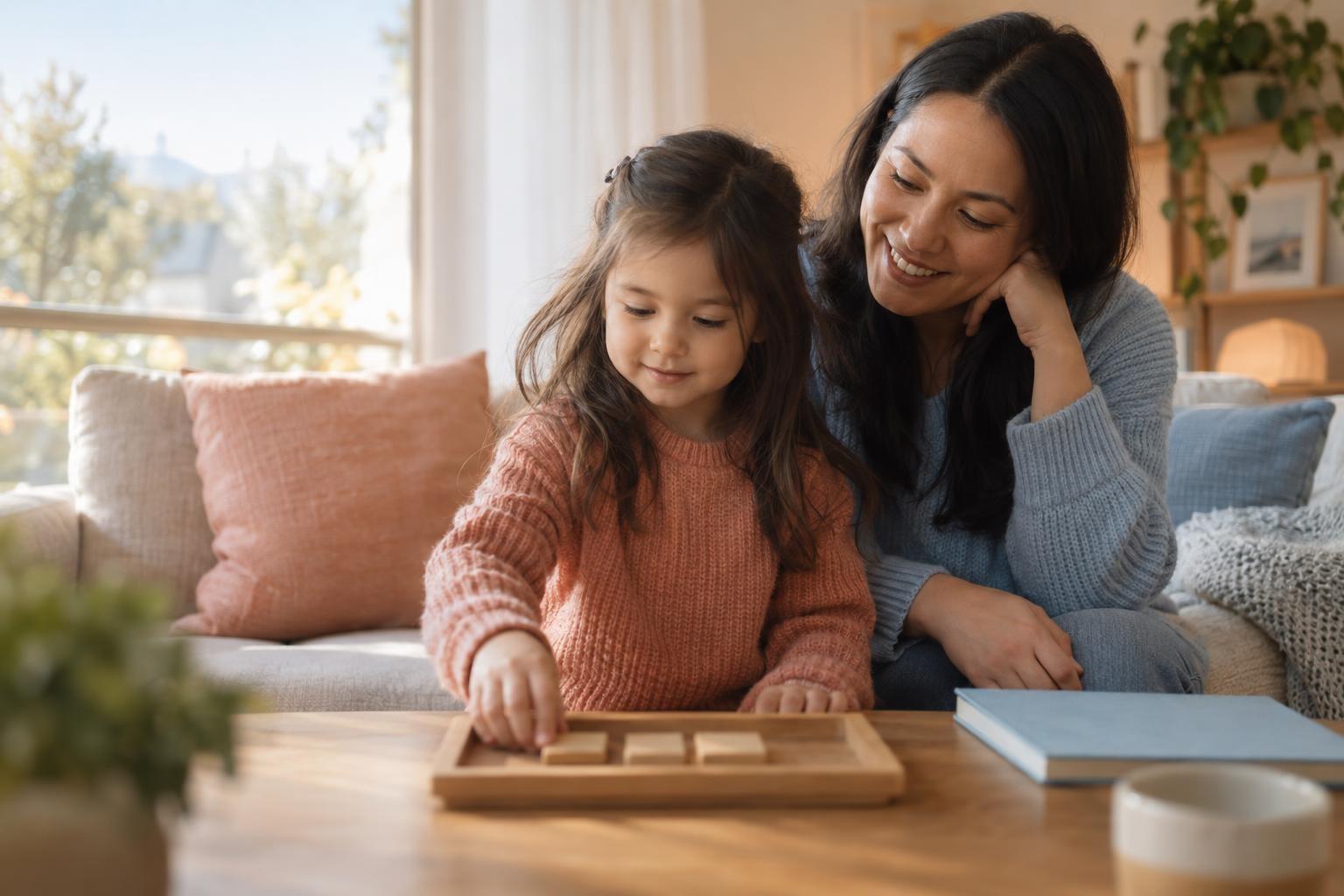
Start by teaching the sounds letters make, then show your child how to blend those sounds into short words like c-a-t. Practice with decodable books that only use the sounds your child already knows. About ten minutes a day is enough to make steady progress.
Check that your child can hear sounds in spoken words first, then teach letter sounds (not names) in a sensible order, starting with a small group like s, a, t, p, i, n. A daily ten-minute routine of review, one new sound, blending and a short decodable read is enough. Keep it short and playful, and talk to your child's teacher or pediatrician if progress stalls after lots of steady practice.
What phonics is, in plain terms
Phonics teaches children that letters stand for sounds, and that those sounds blend together to make words. Once kids learn this code, they can sound out words they've never seen.
The key is to teach letter sounds, not just letter names. A child who knows "B says /b/" can read "bat." A child who only knows "B is bee" will struggle.
Before you start: check readiness
Most kids are ready for phonics when they can hear sounds in spoken words. Try these quick games first:
- Rhyming: "Does cat rhyme with hat? Does cat rhyme with dog?"
- First sounds: "What sound does sun start with?"
- Clapping syllables: Clap out "but-ter-fly."
If these are hard, spend a few weeks on sound games before adding letters.
The order to teach sounds
You don't need to teach the alphabet A to Z. Many phonics programs start with a small group of letters that can quickly make lots of words.
| Stage | What to teach | Example words |
|---|---|---|
| 1 | A first group of letters, such as s, a, t, p, i, n | sat, pin, tap, nap |
| 2 | Remaining single letter sounds, with short vowels | dog, red, cup, big |
| 3 | Consonant blends | stop, frog, hand |
| 4 | Digraphs (two letters, one sound) | ship, chat, thin |
| 5 | Long vowels and silent e | cake, bike, rope |
| 6 | Vowel teams | rain, boat, see |
Move on only when your child is fairly confident with the current stage. Going slower now saves time later.
A 10-minute daily phonics routine
- Review sounds (2 minutes). Show letter cards your child has learned. They say the sound, not the name. Keep it quick and upbeat.
- Teach one new sound (2 minutes). Show the letter, say its sound and give a few example words. Have your child trace it with a finger or write it.
- Blend words (3 minutes). Lay out letter cards like c-a-t. Your child says each sound, then slides them together: "/c/ /a/ /t/... cat!"
- Read a decodable text (3 minutes). Read a short book or a few sentences that only use sounds they know. Praise effort, not just accuracy.
Some days, add a minute of spelling. Say a word and have your child build it with letter tiles or magnetic letters.
Blending tips that really help
Blending is where many kids get stuck. These tricks make it easier:
- Keep sounds short and clean. Say /m/, not "muh." Extra "uh" sounds make blending harder.
- Stretch continuous sounds. Sounds like /s/, /m/ and /a/ can be held: "sssaaam."
- Use your arm. Touch your shoulder for the first sound, elbow for the middle and wrist for the last. Then slide down quickly.
- Start with two sounds. Try "at" or "in" before three-letter words.
Why decodable books matter
Decodable books are written using only certain letter sounds. That means your child can sound out almost every word. It builds confidence because guessing isn't needed.
Many phonics programs and libraries offer decodable book sets. Keep reading picture books aloud too. Those build vocabulary and a love of stories.
Once your child is reading simple books, our guide to improving reading comprehension shows how to build understanding.
Make it fun and keep it short
- Play games. Go on a sound hunt: "Find three things that start with /m/."
- Use movement. Write letters in sand, shaving cream or on a whiteboard.
- Stop before boredom. End on a win, while your child still wants more.
- Be consistent. Ten minutes every day beats an hour once a week.
Some kids learn best with a teacher besides a parent. A live class can add structure, games and a fresh face. That can take pressure off home practice.
What to watch for
Every child learns at their own pace. Still, talk to your child's teacher or pediatrician if you notice:
- Trouble learning letter sounds after lots of steady practice.
- Difficulty with rhyming or hearing sounds in words.
- Strong frustration or avoidance around reading.
- A family history of reading difficulties such as dyslexia.
Early support makes a big difference. If your child resists books, see our tips to help a reluctant reader.
Frequently asked questions
What age should I start phonics?
Many children start around age 4 or 5, but readiness varies. Begin with sound games and add letters once your child can hear sounds in words.
Should I teach uppercase or lowercase first?
Lowercase letters appear far more often in books, so many programs focus on them first. Teach uppercase alongside as they come up.
What if my child guesses words from pictures?
Gently cover the picture and point to the first letter. Say, "Let's sound it out," then check the picture after.
How long should a phonics session be?
About ten minutes a day is enough for steady progress. Short daily practice works better than one long session a week.
Want a teacher to guide early reading?
Live online reading and phonics classes add structure, games and a friendly teacher, so home practice can stay short and fun.