


How Machines Learn
Learners train a picture model to recognise objects from home and see how adding more examples changes its accuracy.
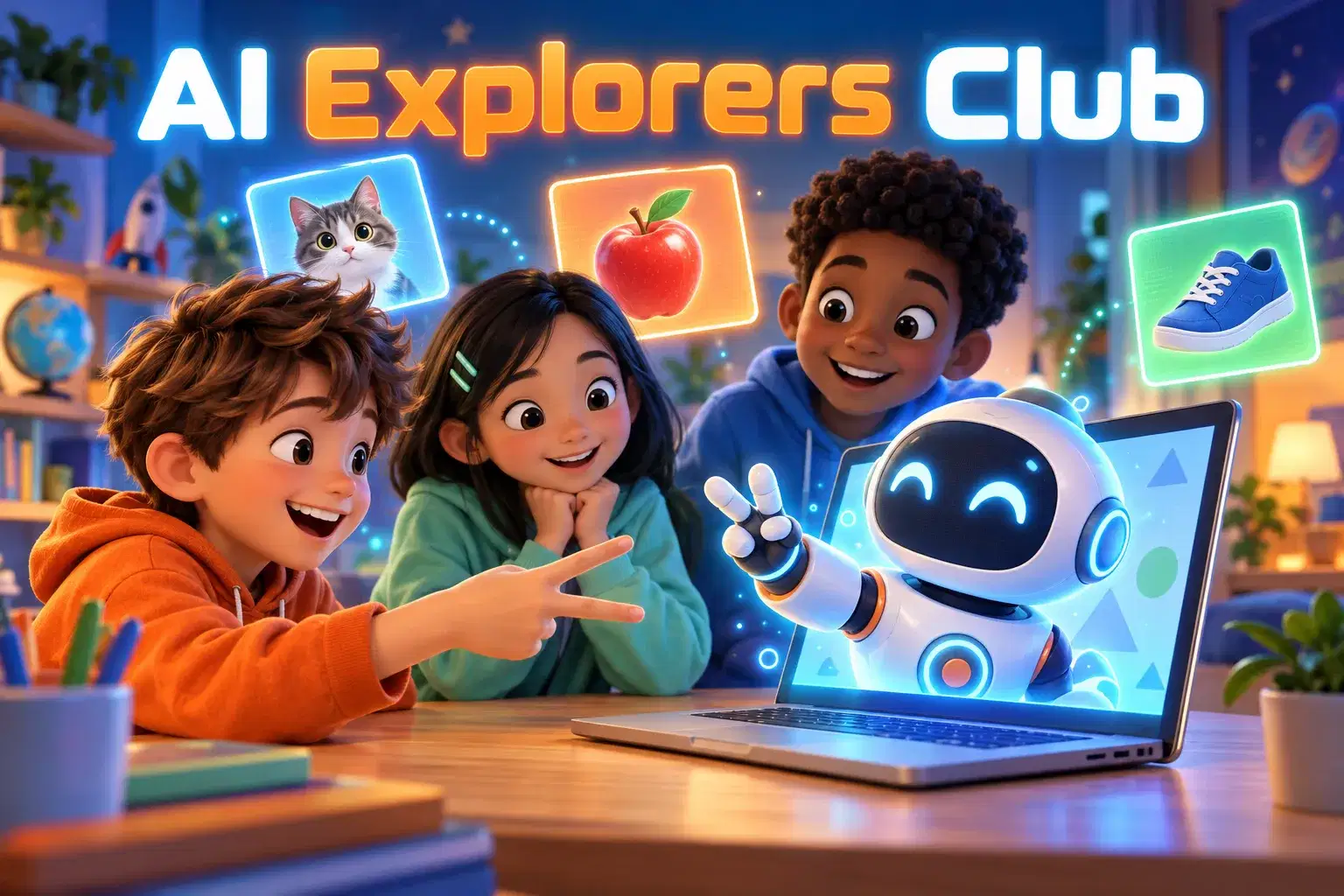
A weekly club where kids aged 8–11 discover how artificial intelligence works by training their own picture and gesture models, testing chatbots and debating what makes AI fair. Each session is hands-on and visual, so curious beginners can join any week.
Paid once.
AI is everywhere in kids' lives, from voice assistants to the recommendations on their favourite video apps. The AI Explorers Club helps children understand what is really going on behind the screen, not by memorizing definitions but by teaching computers themselves.
The club runs on a four-week rotating cycle, so new members can join any week. In one session learners train a picture model in a free browser tool to tell the difference between objects they find at home. In another they become chatbot detectives, asking an AI questions, spotting confident mistakes and figuring out why they happen. A game week has them train a gesture model to play rock, paper, scissors, and an ethics week asks big questions: Is this fair? Who might this leave out? How can we check what AI tells us?
Every activity is designed to be dyslexia-friendly. Instructions are shown with pictures and read aloud, typing is kept to a minimum and learners can answer by drawing, pointing or speaking. The teacher demonstrates each step on screen and checks in with every learner during build time.
Club members leave each week with something they made and a new idea to explain to their family. Over the cycle they build real confidence talking about how AI learns from data, why it makes mistakes and how to use it wisely.
Each 45-minute session opens with a quick AI question of the week, followed by a short demo, hands-on build time in the browser and a show-and-share. The four themes rotate, so learners who stay longer see each one and go deeper with new challenges.
Week 1: How Machines Learn – Train a picture model to recognise objects from home and see how more examples change its accuracy.
Week 2: Chatbot Detectives – Ask a chatbot questions, catch its mistakes and learn why AI can sound sure but be wrong.
Week 3: AI Game Lab – Train a gesture model and use it to play rock, paper, scissors against the computer.
Week 4: Fair AI and Real Life – Spot AI in everyday life, discuss fairness and bias and share the best build of the cycle.

Explain in simple words how AI learns from examples
Train and test a simple picture or gesture model
Spot mistakes a chatbot makes and check answers
Talk about fairness and safe use of AI
Share their projects with confidence
Instructions are visual and read aloud, typing is minimal and learners can answer by drawing, pointing or speaking.
No coding experience needed. Learners should be able to use a mouse or trackpad and open a web browser.
Computer with a webcam and Chrome browser; three or four small household objects to train picture models; paper and pencil for sketching ideas. No accounts needed.
A step-by-step plan of what your child learns, class by class.
Learners train a picture model to recognise objects from home and see how adding more examples changes its accuracy.
Kids ask a chatbot questions, catch its mistakes and discuss why AI can sound sure but still be wrong.
Learners train a gesture model with their webcam and use it to play rock, paper, scissors against the computer.
The group spots AI in everyday life, discusses fairness and bias and shares the best build of the cycle.
Next 7 days, US Eastern Time
No coding is needed. Learners use free, visual browser tools and the teacher demonstrates every step on screen.
Instructions are shown with pictures and read aloud, typing is kept to a minimum and children can answer by drawing, pointing or speaking. No one is asked to read aloud in front of the group.
Yes. The four themes rotate and each session stands on its own, so new members can start any week. Learners who stay longer revisit each theme with harder challenges.
No accounts or downloads are needed. A computer with a webcam and the Chrome browser is enough, and the teacher shares links during class.
They can simply join the next session, since each week is self-contained. The missed theme comes around again in the next cycle.
An experienced educator focused on making math and coding accessible and fun for upper-elementary learners. Lessons combine number sense, multi-digit operations, pre-algebra concepts, and hands-on game design using tools like Scratch, Roblox, and Minecraft-inspired challenges. Cl…
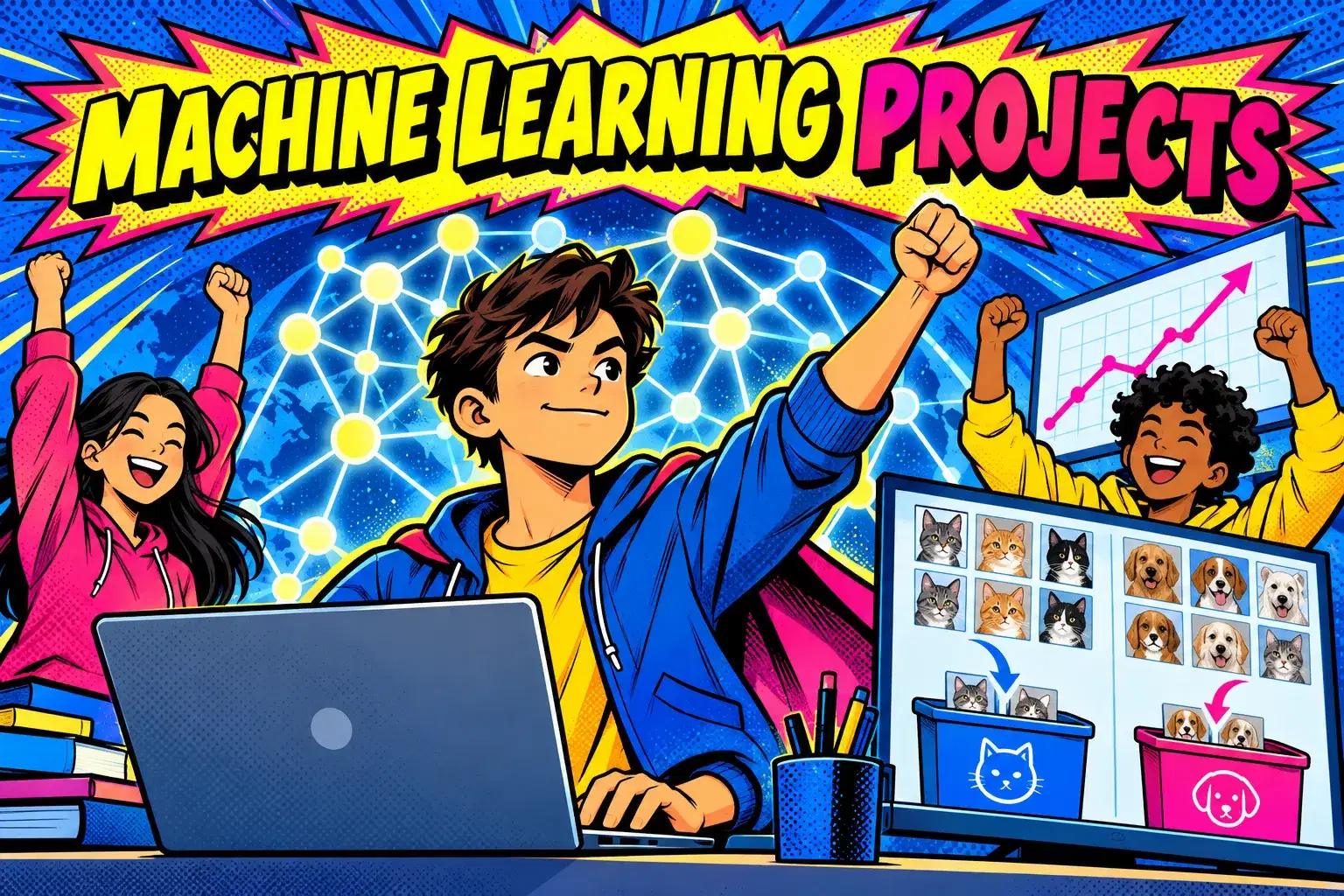
Vinita T.
Ages 14–17 · 75 min · 1 / Week
$28.00per classSee schedule
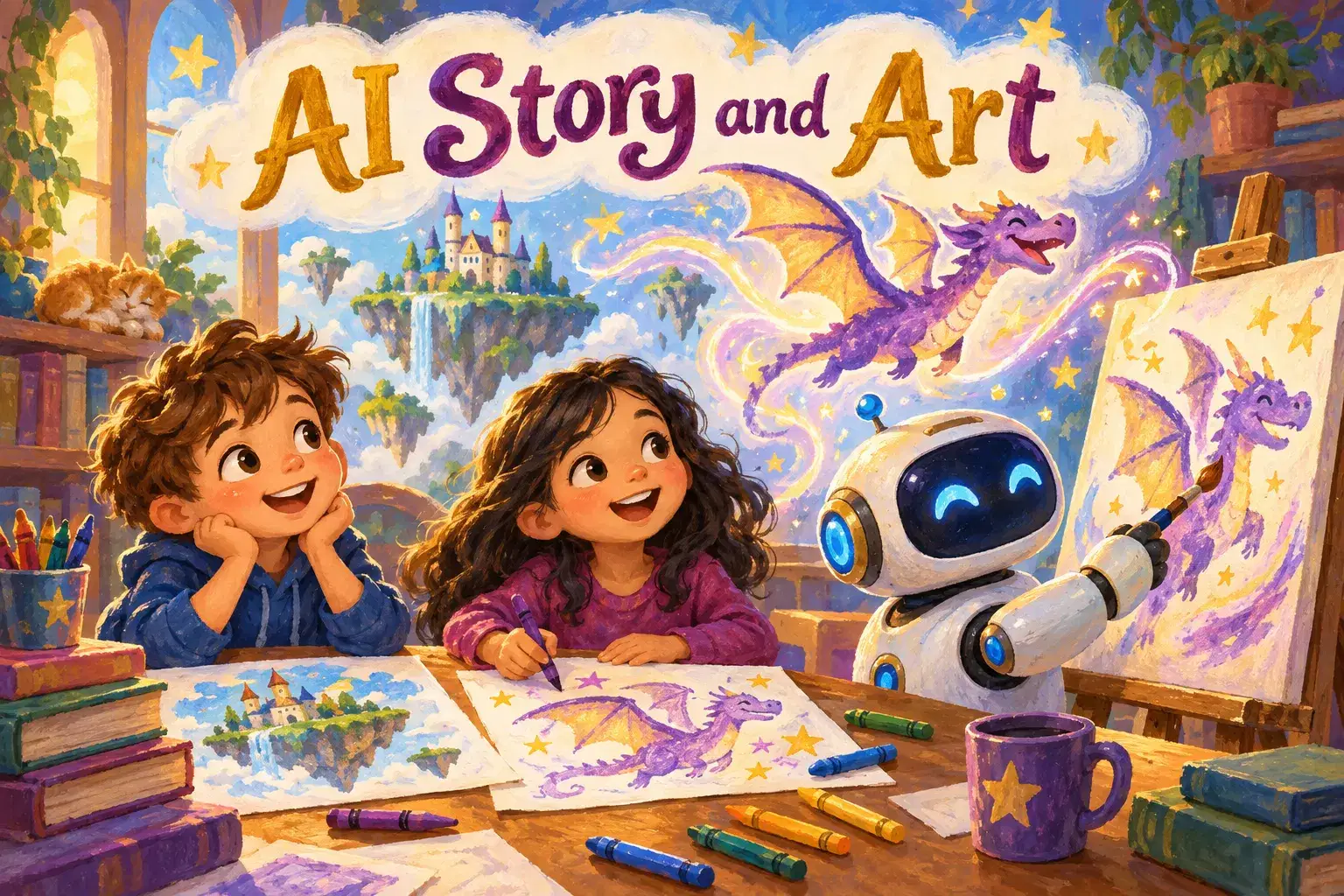
Shreya R.
Club · Ages 6–9 · 30 min · 1 / Week
$15.00per classSee schedule
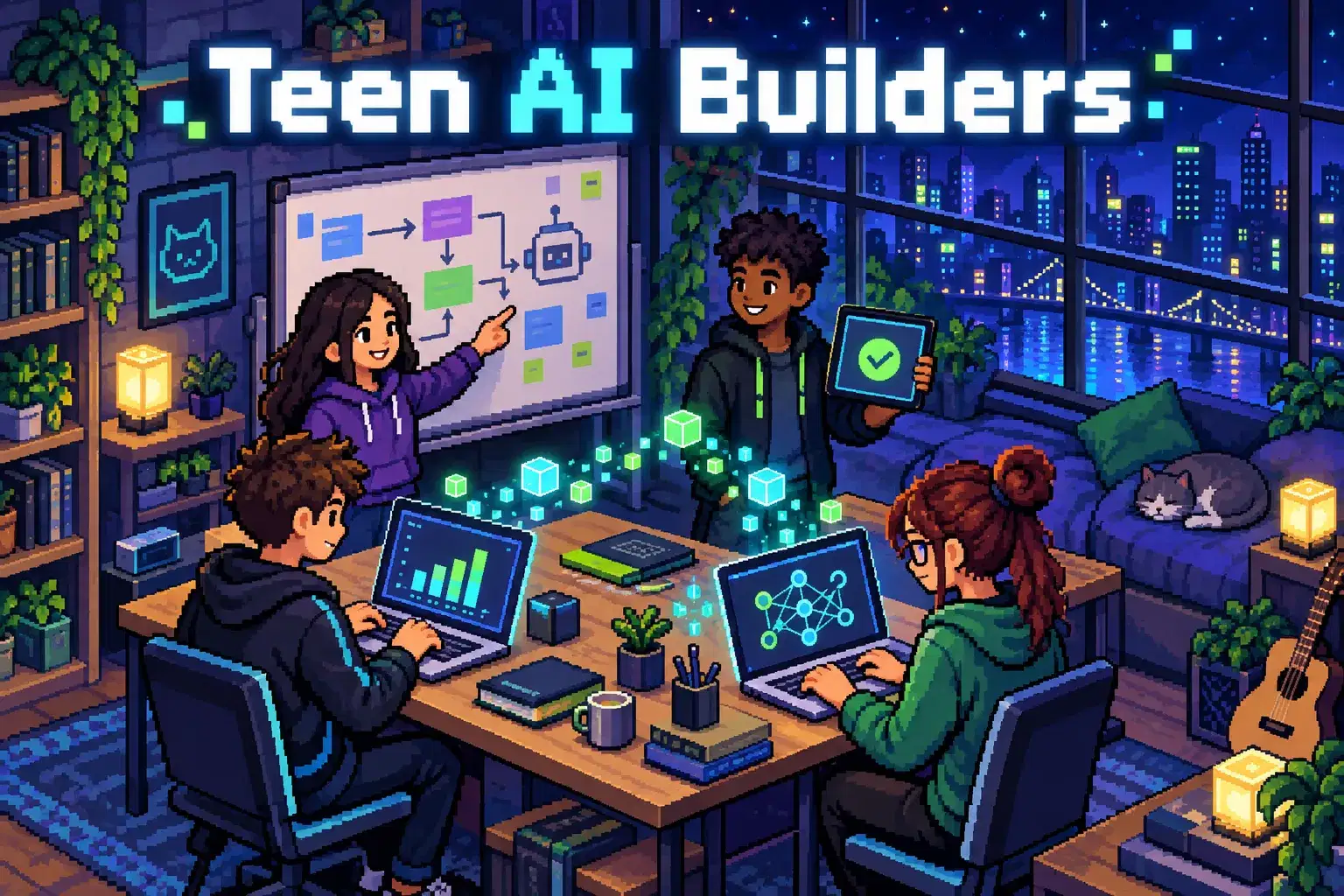
Dr. B.
Club · Ages 13–17 · 75 min · 1 / Week
$27.00per classSee schedule
Hemchandra G.
Ages 13–17 · 90 min · 1 / Week
$30.00per classSee schedule
Dr. B.
Ages 13–17 · 75 min · 1 / Week
$29.00per classSee schedule

Krishna K.
Ages 8–12 · 75 min · 1 / Week
$27.00per classSee schedule
Geeta T.
Ages 9–13 · 55 min · 1 / Week
$20.50per classSee schedule
Sakshi S.5.0
Club · Ages 7–12 · 55 min · 1 / Week
$18.00per classSee schedule
Vinita T.
Advanced
Level
14–17
Ages
75 min
Duration
1 / Week
Classes
8
Weeks
Shreya R.
Beginner
Level
6–9
Ages
30 min
Duration
1 / Week
Classes
Ongoing
Weeks
Dr. B.
Advanced
Level
13–17
Ages
75 min
Duration
1 / Week
Classes
Ongoing
Weeks
Hemchandra G.
Advanced
Level
13–17
Ages
90 min
Duration
1 / Week
Classes
1
Weeks
Dr. B.
Advanced
Level
13–17
Ages
75 min
Duration
1 / Week
Classes
10
Weeks
Krishna K.
Beginner
Level
8–12
Ages
75 min
Duration
1 / Week
Classes
1
Weeks
Geeta T.
Beginner
Level
9–13
Ages
55 min
Duration
1 / Week
Classes
4
Weeks
Sakshi S.
Beginner
Level
7–12
Ages
55 min
Duration
1 / Week
Classes
Ongoing
Weeks