




Meet the Story and Pick Your Character

Campers read a short, funny story together, learn what readers' theater is, and choose a character part to perform.
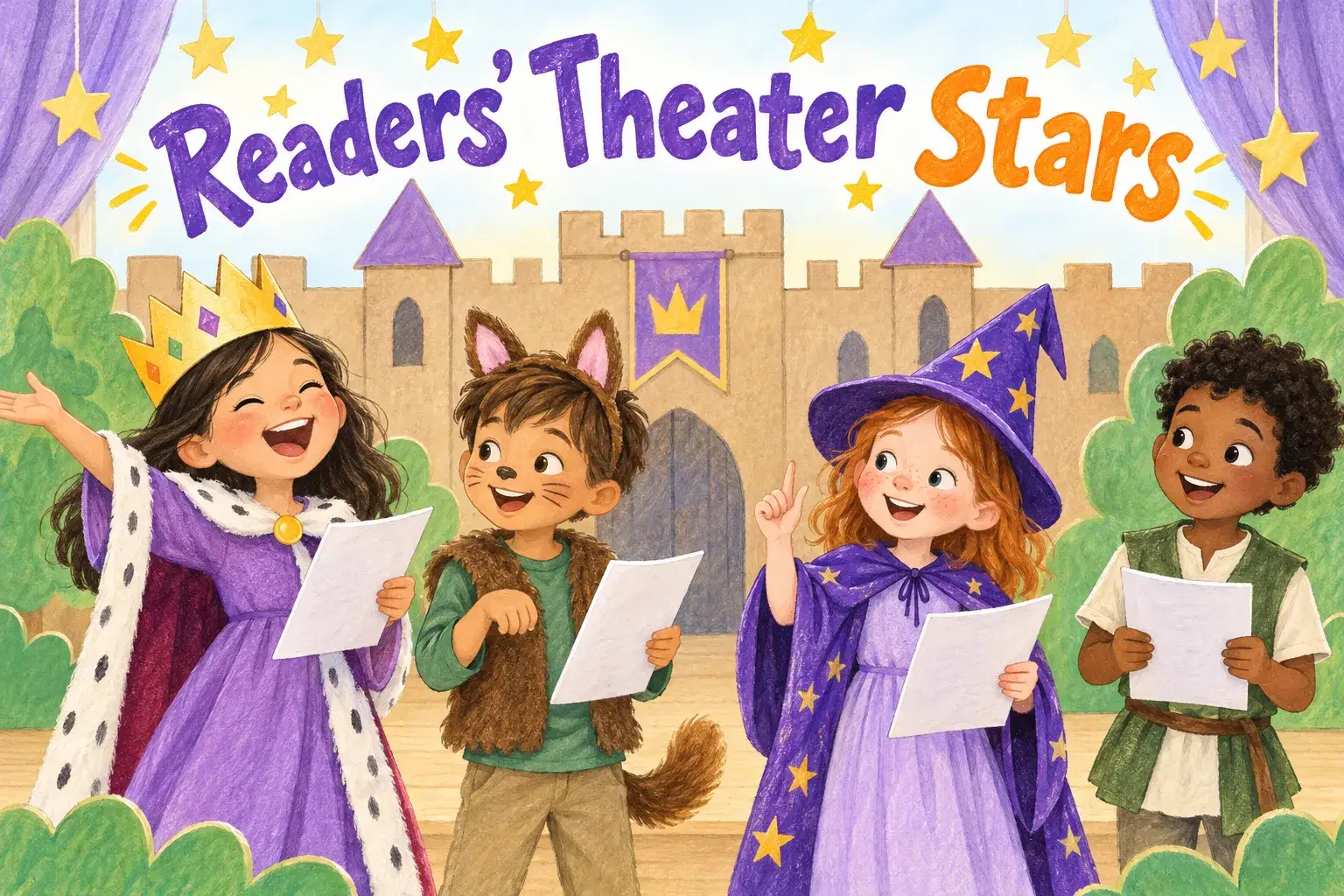
Children aged 6 to 9 team up to perform a short story out loud in this four-day readers' theater camp, using expressive voices, sound effects and simple props to bring characters to life.
$66.00
4 classes · $16.50 per class
Paid once.
In readers' theater, children perform a story by reading their parts aloud with lots of expression, so there is no need to memorise lines. Over one week, campers work together on a short, playful script, each taking on a character such as a grumpy troll, a clever fox or a cheerful narrator.
Learners practise reading with feeling, discover how to make their voice loud, soft, fast or slow, and invent sound effects with things around the house. They learn to listen for their cue and help teammates, which builds teamwork and patience. On the final day they put it all together and perform the story for family members watching nearby.
This camp runs as four back-to-back daily sessions of 40 minutes in one week. Each day builds on the day before, from meeting the story to practising voices, then rehearsing together and finally performing. Short, active sessions keep young readers engaged and moving.
Day 1: Meet the Story and Pick Your Character – Campers read a short, funny story together, learn what readers' theater is, and choose a character part to perform.
Day 2: Silly Voices and Big Feelings – Campers play voice games, practise reading their lines happy, scared or grumpy, and invent sound effects using household objects.
Day 3: Cue Catchers Team Rehearsal – Campers rehearse the whole script together, practise listening for their turn, and add simple props or hand gestures to their parts.
Day 4: Curtain Up Family Performance – Campers warm up, then perform the full story out loud for family watching at home and celebrate each other's best moments.

Read a script part aloud with expression and feeling
Change voice volume and speed to show character
Listen for cues and take turns as a team
Create simple sound effects to support a story
Perform a short story confidently for an audience
No experience needed. Learners should be able to read simple sentences, with support for tricky words, and need a device with camera and microphone, a printed script and a simple prop.
Campers follow along and mark their lines on the script, and use a hat, scarf or toy plus pots or paper to add character and sound effects.
A step-by-step plan of what your child learns, class by class. · 1 Week
Campers read a short, funny story together, learn what readers' theater is, and choose a character part to perform.
Campers play voice games, practise reading their lines happy, scared or grumpy, and invent sound effects using household objects.
Campers rehearse the whole script together, practise listening for their turn, and add simple props or hand gestures to their parts.
Campers warm up, then perform the full story out loud for family watching at home and celebrate each other's best moments.
Next 7 days, US Eastern Time
No. Learners just need to read simple sentences, and parts vary in length so every child gets a role that suits them. Tricky words are practised together, and reading aloud with expression is a gentle way to build reading fluency.
No. In readers' theater the script stays in hand, so children read their parts rather than memorising them. That frees them to focus on expressive voices, feelings and timing, which keeps the experience fun rather than stressful.
A computer or tablet with camera and microphone, a stable internet connection, a printed script, a pencil, and one simple prop or costume piece like a hat or scarf. A few household items, such as a pot or crinkly paper, are handy for sound effects.
The camp is one week of four back-to-back daily live sessions, each 40 minutes long. Campers meet the story on day one, practise voices and rehearse in the middle, and perform the full story on the final day.
Yes. Family members at home are warmly welcome to gather around the screen on the last day and enjoy the performance. Cheering from a grown-up is a big confidence boost for young performers.
It might be. The 6 to 9 range is a flexible guide. A younger child who can read simple sentences and is happy to take turns in a group can join in well, and a grown-up nearby to help can make it easier.
There is no homework; everything happens during the daily sessions, though children may enjoy reading their part aloud to family. There is no certificate for this camp; the performance itself is the big finish.
You get a full refund if you cancel before the second class starts. After that, classes already started count as used and classes not yet started are refunded, either as store credit or to your original payment method. You can cancel from the class in your parent dashboard.
A filmmaker, writer, and actor with degrees in digital filmmaking and English, Daphne Sardis brings extensive experience creating short films and social media content. Background in writing and directing informs an approach that blends on-camera technique with storytelling and au…
T. G.
Ages 11–16 · 75 min · 1 / Week
$28.00per classSee schedule
Pramila D.
Ages 9–14 · 90 min · 1 / Week
$30.00per classSee schedule
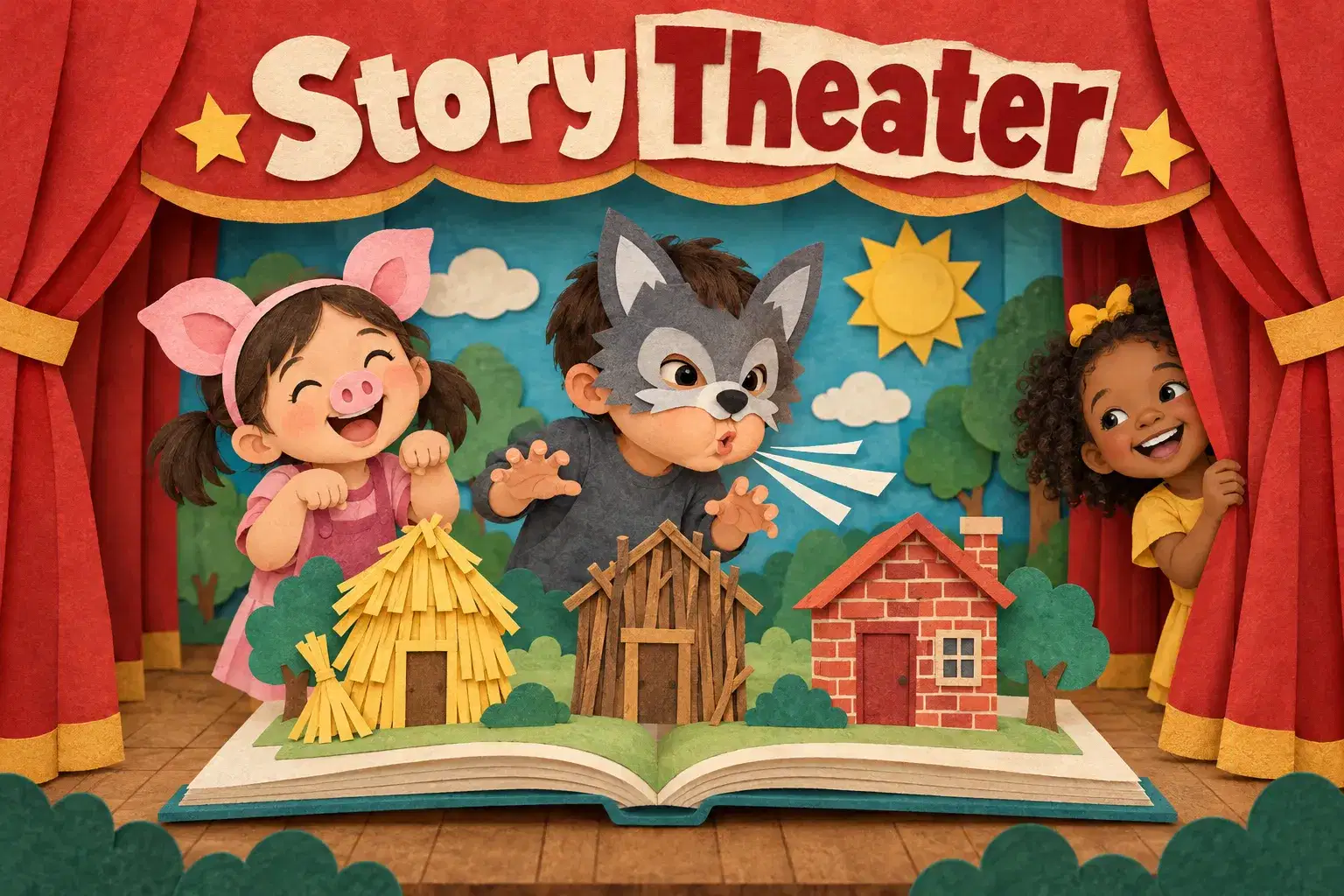
Deepa I.
Ages 3–5 · 25 min · 2 / Week
$15.00per classSee schedule
Pramila D.
Ages 10–15 · 75 min · 1 / Week
$28.00per classSee schedule
Deepa I.
Ages 7–12 · 45 min · 5 / Week
$20.00per classSee schedule

Deepa I.
Ages 9–13 · 45 min · 1 / Week
$18.00per classSee schedule

R. S.
Tutoring · Ages 12–16 · 45 min · 1 / Week
$24.00per classSee schedule

T. G.
Intermediate
Level
11–16
Ages
75 min
Duration
1 / Week
Classes
12
Weeks
Pramila D.
Intermediate
Level
9–14
Ages
90 min
Duration
1 / Week
Classes
1
Weeks
Deepa I.
Beginner
Level
3–5
Ages
25 min
Duration
2 / Week
Classes
2
Weeks
Pramila D.
Advanced
Level
10–15
Ages
75 min
Duration
1 / Week
Classes
10
Weeks
Deepa I.
Beginner
Level
7–12
Ages
45 min
Duration
5 / Week
Classes
1
Weeks
Deepa I.
Beginner
Level
9–13
Ages
45 min
Duration
1 / Week
Classes
6
Weeks
R. S.
Advanced
Level
12–16
Ages
45 min
Duration
1 / Week
Classes
Flexible
Weeks
T. G.
Beginner
Level
10–14
Ages
45 min
Duration
1 / Week
Classes
1
Weeks