Art, music & makingAges 5–144 min read
By Olivia ·
Galileo Camp Alternatives: Online and Local Options for Summer
Looking for Galileo camp alternatives? Six kinds of summer program for hands-on, creative kids, including online camps, with questions to ask before you book.

Galileo camps are known for hands-on projects in art, science and making. They also run in a limited number of places, and popular weeks fill quickly. If there is no camp near you, or the dates do not fit, there are good alternatives.
If your child likes Galileo-style camps, look for the same ingredients elsewhere: a real project each week, time to design and rebuild, and enthusiastic staff. Local maker spaces, museum camps and recreation programs offer this in person. Live online camps offer it from home, in shorter daily sessions and with more choice of topic.
What makes a camp like Galileo
- Children make something of their own each week.
- Projects mix art, science and building.
- Mistakes and second attempts are part of the plan.
- Groups are organised by age.
Details of other products are described as we understand them at the time of writing. Plans, prices and features change, so check each provider's own site before you decide.
In-person alternatives
Many run week-long camps in building, robotics and design.
Often the best value, with art, sport and STEM weeks.
Some host summer programs for elementary and middle school children.
See our guide to iD Tech camp alternatives.
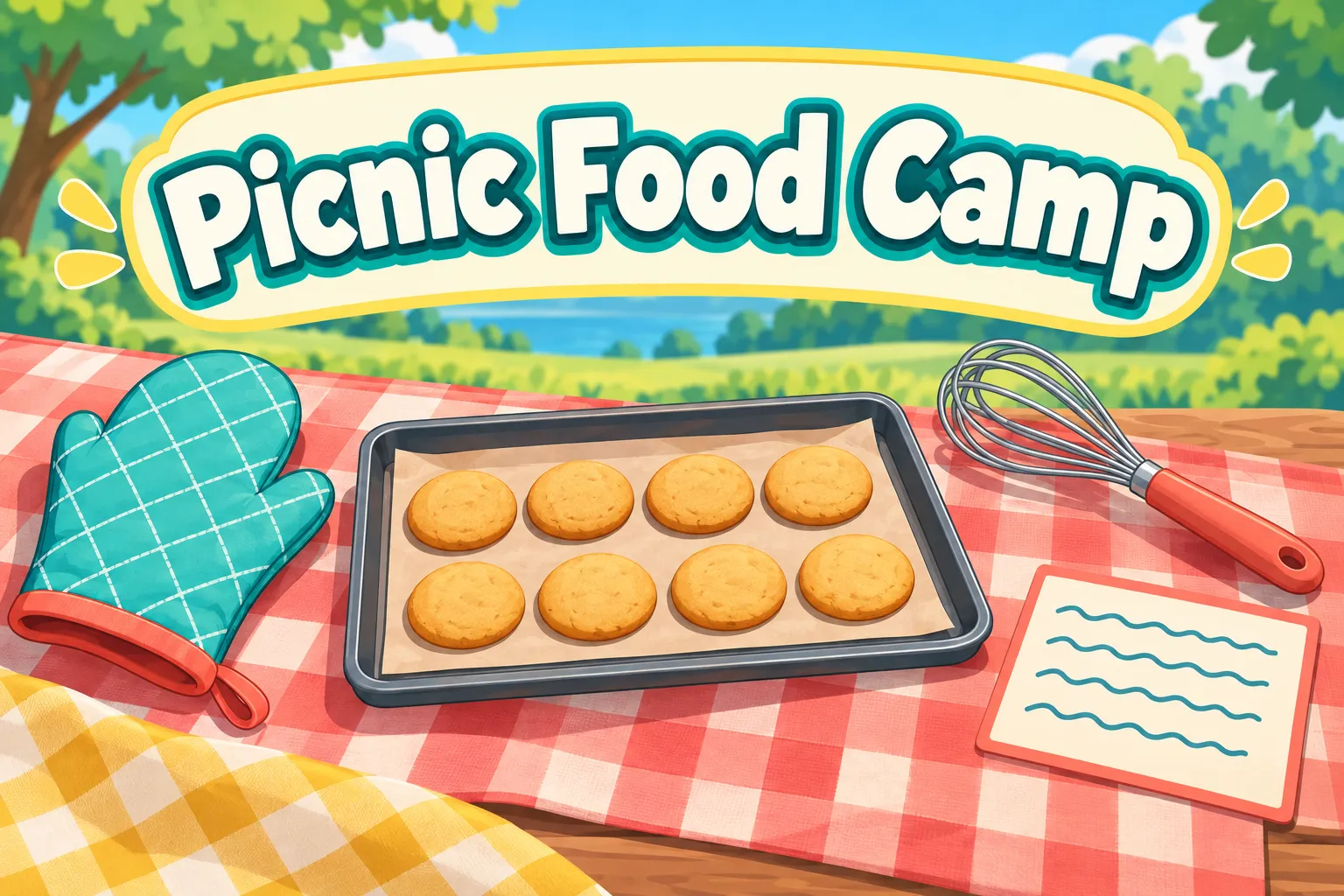 A live class on thisSummer Cooking Camp: No-Bake Treats and Picnic FoodAges 8–12
Online alternatives
A live online camp usually meets for about an hour a day for four or five days. Children work with household materials or free software, show their work to the group and carry on between sessions if they wish.
- Coding and game design camps
- Art, animation and design camps
- Kitchen science and engineering challenges
- Writing, music and theatre camps
No travel, a wide choice of topics and the freedom to book a single week around holidays.
Look for camps that say what each child will make and that keep groups small. A good online camp feels like a workshop: the teacher shows a step, children try it with their cameras on, and everyone shares what they made at the end of the session.
In-person or online?
| In-person day camp | Live online camp | |
|---|---|---|
| Hours | Most of the day | About an hour a day |
| Childcare | Yes | No |
| Materials | Provided | Household items or free software |
| Choice of topics | What is offered nearby | Very wide |
| Social time | All day | During sessions |
Many families combine them: an in-person camp for the weeks they need full-day care, and online camps for interests no local camp covers. Our guide to online vs in-person summer camp goes into more detail.
Questions to ask any camp
- What will my child have made by Friday?
- How many children per adult?
- What happens if my child is new to the topic, or already experienced?
- What is the refund policy if plans change?
What parents can do next
- List the weeks you need full-day care and the weeks you do not.
- Ask your child which two topics they most want to try.
- Check local programs first for the full-day weeks.
- Fill the remaining weeks with one-hour online camps.
Frequently asked questions
Are online summer camps worth it?
For a child with a clear interest, yes. They give a week of guided projects without travel, though they do not replace full-day care.
What age are online camps suitable for?
Most work well from about 6 or 7, when a child can follow instructions on screen. Younger children need an adult nearby.
How many weeks of camp is too many?
Children also need unplanned time. Alternating camp weeks with free weeks works for many families.
How early should we book?
Popular weeks fill months ahead for in-person camps. Online camps usually have places closer to the date.
Find an online summer camp
Live online summer camps in coding, art and design, science, writing, math and music.