After-school & free timeAges 5–134 min read
By Isabella ·
Spring Break Activities for Kids: A Simple Week Plan
A relaxed spring break plan for kids: one anchor activity a day, outdoor ideas, rainy-day projects and how a short camp can give the week structure.

Spring break is a week long, which is just long enough for boredom to set in and not long enough for a big trip. A loose plan with one anchor each day keeps the week happy without filling every hour.
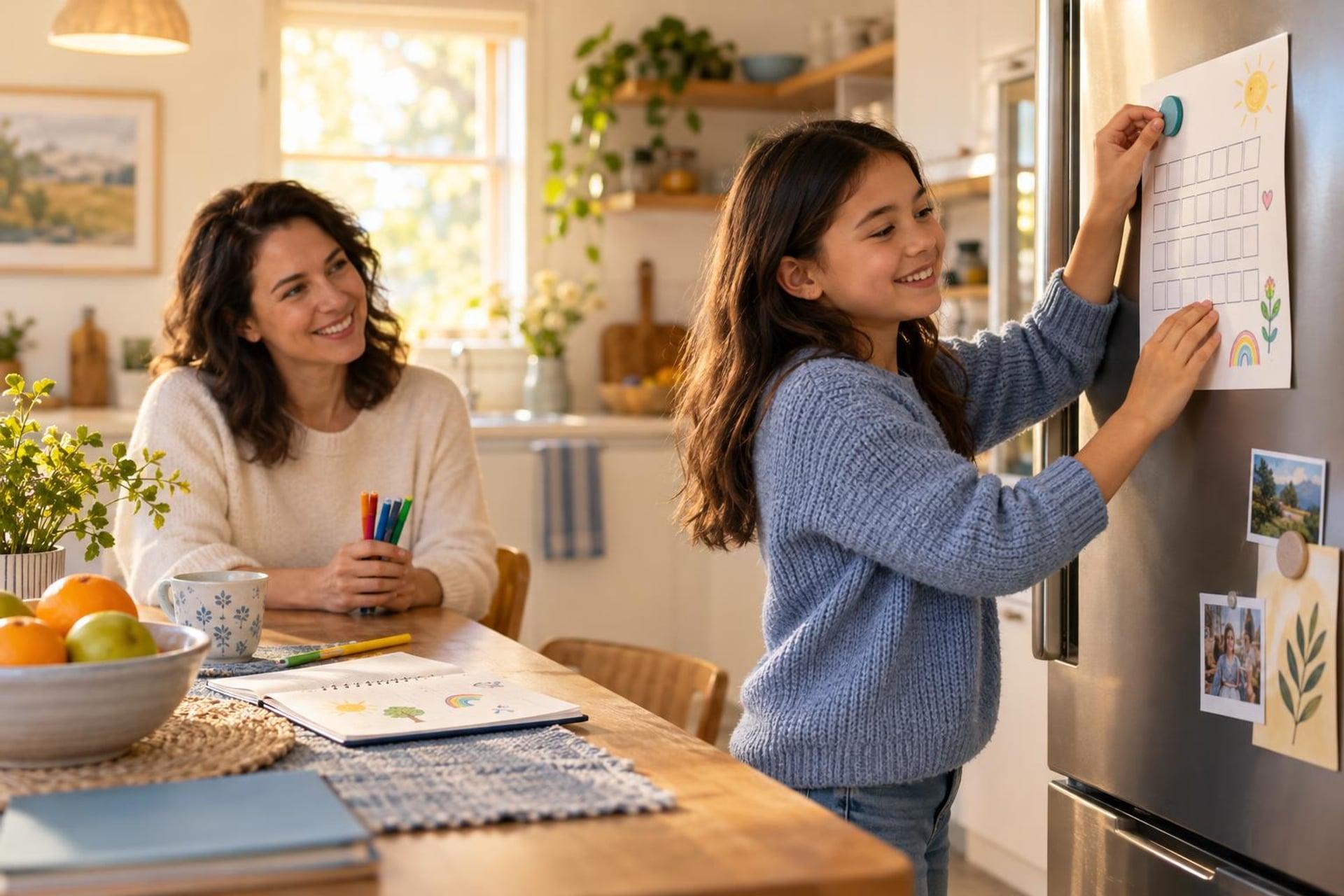
Give each day one planned thing, such as a camp session, an outing or a project, and leave the rest free. Mix outdoor time, making and a little learning, and let children help choose.
One anchor a day
Children cope well with free time when the day has one fixed point. It might be a morning camp session, a trip to the park or a baking project after lunch. Everything else can flex around it.
| Day | Anchor idea |
|---|---|
| Monday | Start a four-day camp or a week-long project |
| Tuesday | Outdoors: a nature walk with a spotting list |
| Wednesday | Make: kites, gliders or paper flowers |
| Thursday | Cook lunch together |
| Friday | Show and tell: share the week's work with family |
Outdoor ideas
- Plant seeds in pots or a bag on the window.
- Fly a homemade kite.
- Go on a colour hunt: find something for every colour.
- Chalk a giant game board on the pavement.
- Look for the first buds, birds and insects of spring.
Give children a small job outdoors, such as photographer or list-keeper. A purpose turns a walk into an expedition.
 A live class on thisSpring Break 1-on-1 Speaking Confidence CoachAges 9–14
Rainy-day projects
Fold two designs and measure which flies further.
Layer sugar water in different colours.
Fold eight pages and write a story.
A first Scratch project in an afternoon.
Where a camp fits
A four-day camp of under an hour a day gives the week a spine without taking it over. Children finish something real, such as a game, a comic or a short play, and parents get a predictable pocket of time. See course, club, camp or one-time class for how the formats differ.
Overbooking. One camp plus free time is a better week than three activities a day.
A word about screens
Screen time tends to creep up in a week with no school, and a total ban usually ends in arguments. It helps to separate making from watching. An hour spent coding a game, editing a video or drawing on a tablet is different from an hour of scrolling.
Agree the rules on the first morning, before anyone is tired: when screens are available, for how long, and what has to happen first. Many families find that 'outside and one project before screens' is simple enough to hold all week.
- Put the day's anchor activity before free screen time.
- Keep devices out of bedrooms overnight.
- Watch or play something together at least once.
A little learning, lightly
The final term is close, so a short daily read and a few minutes of math facts keep things ticking over. If the year has left gaps, a handful of one-to-one sessions over the break can settle them before the last stretch.
What parents can do next
- Sketch the week with one anchor per day.
- Let your child choose two of the anchors.
- Gather paper, tape, seeds and baking basics.
- Book a camp early; spring break weeks vary by district and fill unevenly.
Frequently asked questions
When is spring break?
It varies by school district, usually falling in March or April.
How do I keep siblings of different ages busy?
Choose open-ended projects, such as building or baking, where each child works at their own level.
Is it fine to do nothing?
Yes. Rest and unstructured play are valuable, and a plan is only there to prevent the long, cross afternoons.
What if we are travelling?
One-time classes and a book for the journey fit around a trip more easily than a camp.
Find a spring break camp
Four-day live camps in coding, art, science, writing, math, music and life skills, plus one-time classes and 1-on-1 sessions.