After-school & free timeAges 7–164 min read
By Amelia ·
New Year Goals for Kids: How to Set Ones They Will Keep
How to help children and teens set New Year goals they will keep: choosing small, specific goals, tracking them and what to do when they slip.
On the first of January your child announces they will read a hundred books, learn the guitar and never be late again. By the twentieth it is forgotten. The problem is not their willpower. It is the shape of the goal.
Goals stick when a child chooses them, when they are small enough to start today and when progress is visible. One or two goals with a simple tracker beat a long list of resolutions.
Why most resolutions fail
- They are too big: 'get better at maths'.
- They belong to the parent, not the child.
- There is no first step.
- Nobody looks at them again after January.
Children are capable of real persistence when a goal is theirs and they can see it moving.
Help them choose
Start by looking back. Ask what they are proud of from last year and what they wish had gone differently. Then ask what they would like to be able to do by the summer. Write down everything, then let them circle one or two.
Offer categories to spark ideas: something to learn, something to make, something kind to do, something for my body.
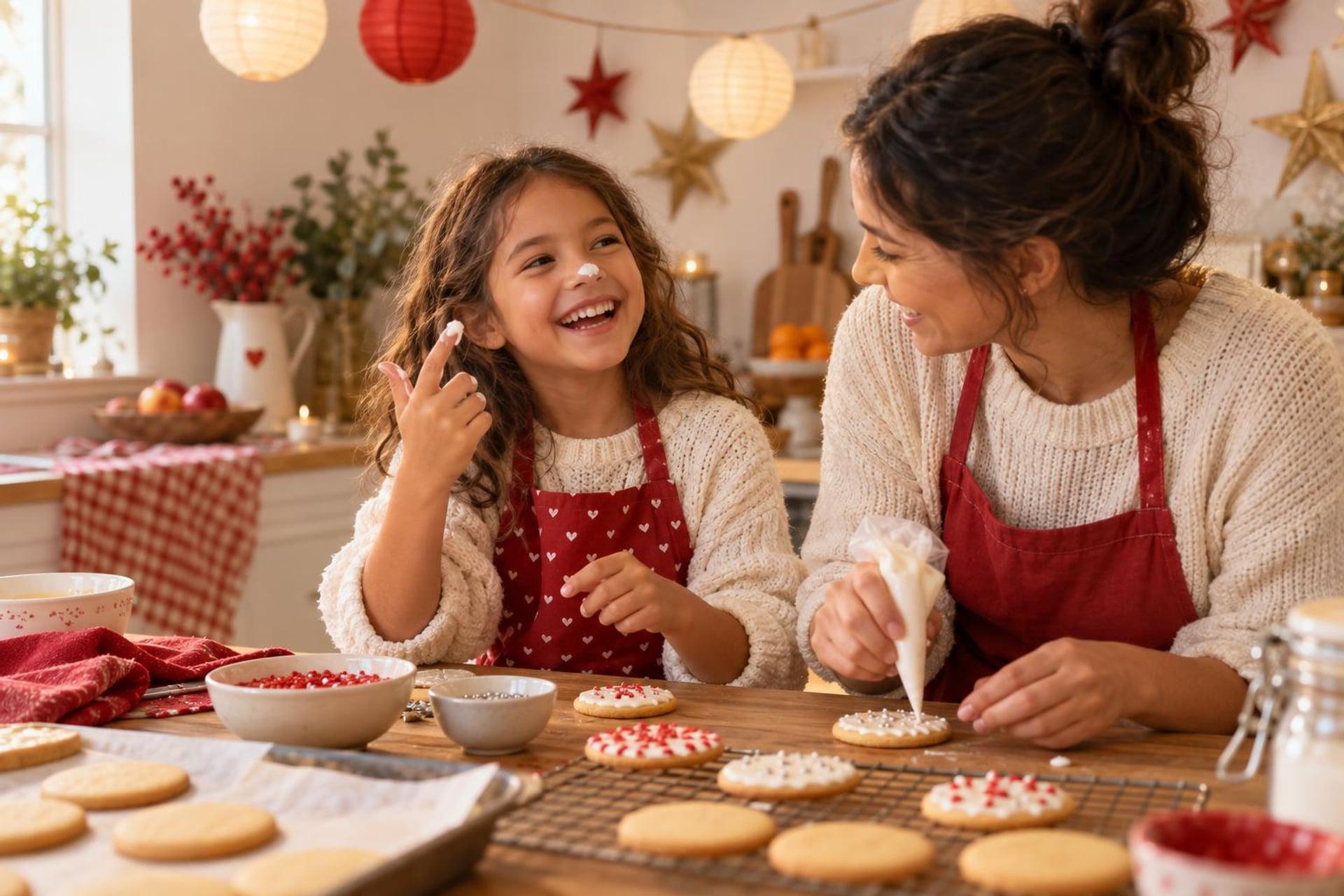
 A live class on thisChristmas Cookie Decorating ClassAges 7–12
Make the goal small and specific
| Vague goal | Goal that works |
|---|---|
| Read more | Read for 15 minutes after dinner on school nights |
| Get better at maths | Practise times tables for 5 minutes, three days a week |
| Learn guitar | Learn three chords by the end of February |
| Be more organised | Pack my bag before bed every school night |
A good test: could they do the first step today, and would both of you know whether it had been done?
Make progress visible
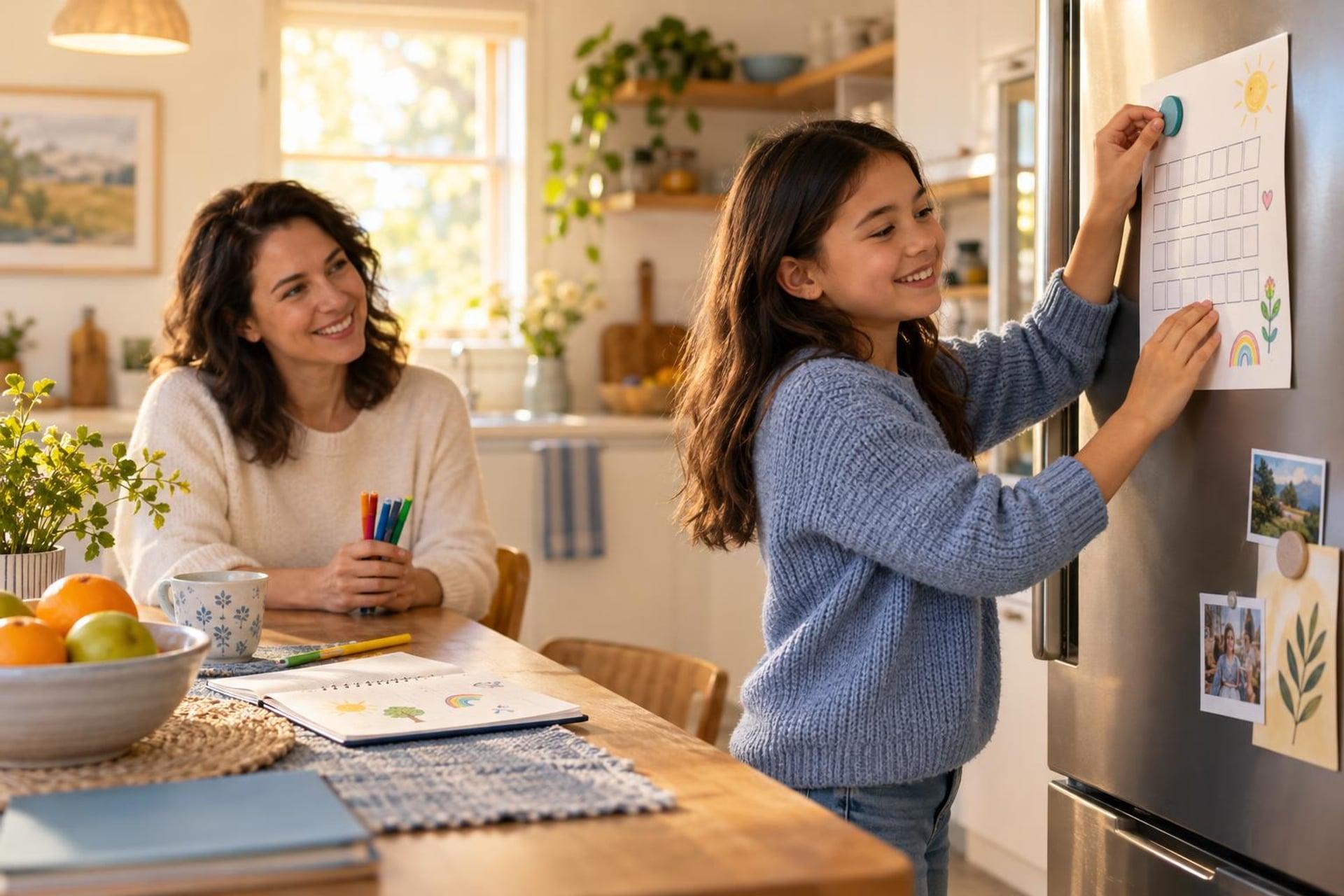
A paper chart on the fridge, a jar that fills with marbles, or a row of boxes to colour in all work. The tracker should take seconds to update and be somewhere the child sees daily.
Sticker charts and weekly check-ins with a parent.
A tick chart they manage themselves.
A habit app or a planner page, reviewed monthly.
What suits each age
Younger children think in days, not months, so a goal for a seven-year-old should pay off within a week or two: learn to tie laces, read one chapter book, swim a width. Review it weekly and celebrate when it is done, then choose the next.
From about ten, children can hold a goal for a term and enjoy tracking it themselves. Teenagers can plan across a year, but they will resist goals handed to them. Ask questions, listen and help only with the shaping. A teen's goal to make a sports team or save for something they want is as worthwhile as an academic one.
Family goals work well too. One shared aim, such as a walk every Sunday, shows children that adults set goals and sometimes miss them.
When it slips
It will. A missed week is information, not failure. Ask what got in the way and shrink the goal until it fits real life: ten minutes instead of twenty, twice a week instead of daily.
Goals turning into nagging. If you are reminding more than they are doing, hand it back: 'What would help you remember?'
For teens setting study goals, see time management for high school students.
What parents can do next
- Have a ten-minute look back at last year together.
- Let your child pick one or two goals.
- Rewrite each as a small action with a day and time.
- Put a tracker somewhere visible and review it at the end of January.
Frequently asked questions
How many goals should a child have?
One or two. More than that and none get attention.
Should I reward progress?
Praise and visible progress are usually enough. If you use rewards, keep them small and tied to effort.
What if my child does not want any goals?
Do not force it. Share one of your own and leave the door open.
Is January the only time to do this?
No. The start of a term or a birthday works just as well.
Find a New Year class
One-time classes on goals and vision boards, journaling camps and a reset class for teens, alongside crafts and traditions.