By Jordan Hudson ·
How to Use One-Time Classes to Test a New Interest
Use a single live class to test your child's new interest: how to pick the class, what to watch for and when to commit to more.
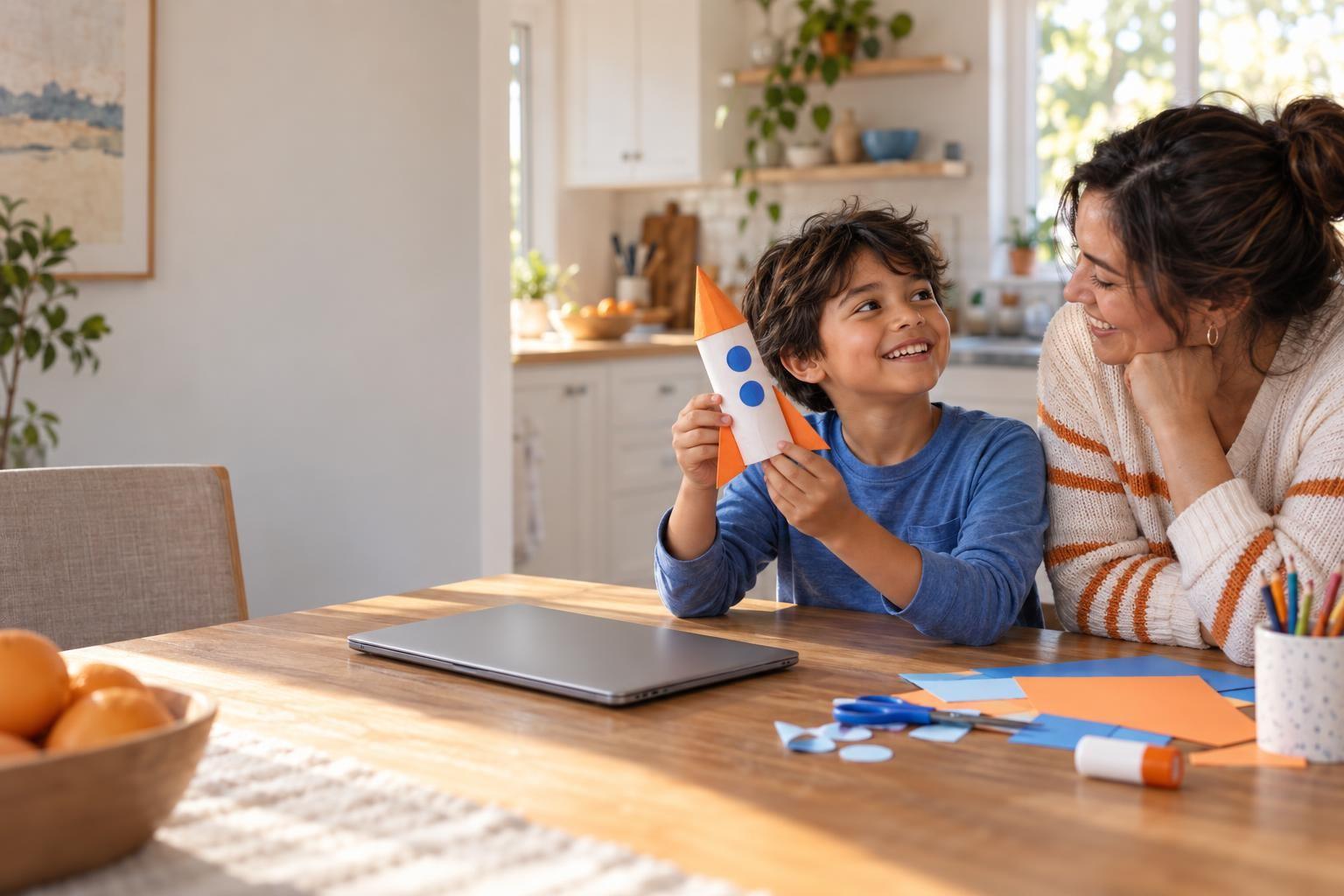
The easiest way to test a new interest is to book a single, low-stakes class on the topic, watch how your child responds during and after it, and only then decide whether to sign up for something longer. One class costs little time and money, and it gives you real evidence instead of a guess.
Name the interest clearly, pick a beginner class that matches your child's age, book a time when they are fresh, and agree it is just one class. Observe without hovering and debrief within a day. The strongest signals often come in the days after: if your child brings the topic up again or starts a project at home, a short multi-week course is a sensible next step.
Why a single class is a smart first step
Kids announce new passions all the time. One week it is marine biology, the next it is coding or drawing comics. Signing up for a ten-week course every time is expensive and can leave a child stuck in something they have already lost interest in. A one-time class lets your child sample the subject with a real teacher and other kids, while you keep the decision about a bigger commitment for later.
It also takes pressure off your child. Trying something new feels safer when everyone knows it is just one session. That makes it easier for a hesitant child to say yes, and it makes it easier for an excited child to say "that wasn't for me" without feeling like they let you down.
The KidsHealth guide to extracurricular activities encourages young people to try things beyond the familiar, and to check the time commitment before joining. Single classes are a practical way to do both.
How to run a one-class test: step by step
- Name the interest clearly. Ask your child what exactly caught their attention. "Space" might mean planets, rockets or astronauts. A specific interest makes it easier to pick the right class.
- Pick a class that matches age and level. Read the age range and the experience level on the class page. A beginner class aimed at your child's age group gives the fairest test.
- Choose a good time slot. Avoid times when your child is usually tired or hungry. A rough session because of bad timing can look like a lack of interest.
- Set expectations together. Tell your child it is one class and that you will talk about it afterward. Agree that they will give it a full try, even if the start feels awkward.
- Observe without hovering. Stay nearby but out of frame. Notice whether your child leans in, asks questions or stays engaged when the topic gets harder.
- Debrief within a day. Ask open questions: "What was the best part?" and "What would you want to learn next?" Write down the answers so you can compare later.
Reading the signals after class
Enthusiasm in the moment is only part of the picture. The stronger signals often show up in the days that follow.
| Signal | What it may mean | Next step |
|---|---|---|
| Brings up the topic again on their own | Interest is real and lasting | Look at a short multi-week course |
| Enjoyed it but never mentions it again | Fun, but not a deep pull | Try one more class in a related topic |
| Liked the teacher more than the topic | Teaching style mattered most | Look for other classes by the same teacher |
| Frustrated or bored | Level or format may be off | Try a different level, or move on |
| Starts a project at home about it | Strong, self-driven interest | Support the project and plan a next class |
When you are ready to decide, our guide on whether your child should continue after a one-time class walks through the next step.
Matching the test to your child's age
Younger children often judge a class by how it felt rather than by what they learned. For kids around 5 to 8, a short, hands-on class with lots of movement or making is usually the fairest test. Children around 9 to 12 can handle a more focused session and can tell you more about what they liked. Teens can often judge a subject from one class, especially if they are exploring a possible career or school path.
Whatever the age, try to test one interest at a time. Booking three new subjects in one week makes it hard to know which one really clicked.
Safety and screen time
If the class is online, treat it as part of your child's overall screen time rather than extra to it. The American Academy of Pediatrics offers a free Family Media Plan that helps families decide when and where screens are used. A live class where your child talks, builds or draws is very different from passive scrolling, but balance still matters.
- Check the class length before you book. Shorter sessions suit younger kids.
- Plan an off-screen activity right after, such as a walk or snack.
- Know how messaging and recordings work on the platform your child uses.
On a live online class platform such as Undoschool, sessions run on Zoom and are recorded for safety, which can make a first try feel less risky for both of you.
Frequently asked questions
How many one-time classes should we try before committing?
One or two in the same area is usually enough. If your child keeps asking for more after the second class, that is a good sign the interest will hold for a longer course.
What if my child didn't like the first class?
Ask what they did not like. If it was the teacher, the pace or the time of day, a different class may go better. If they did not like the subject itself, that is useful information too.
Is a one-time class enough to learn anything?
Your child will not master a subject in one session, but they can learn the basics, finish a small project and get a feel for what deeper study would involve. That is exactly what you need to make a good decision.
Test a new interest with one live class
Browse single, low-stakes classes across art, science, coding, music and more, so your child can sample a subject before you commit to anything longer.